
By Abida Kahlun
Bureau Chief Helsinki
Snn News Finland
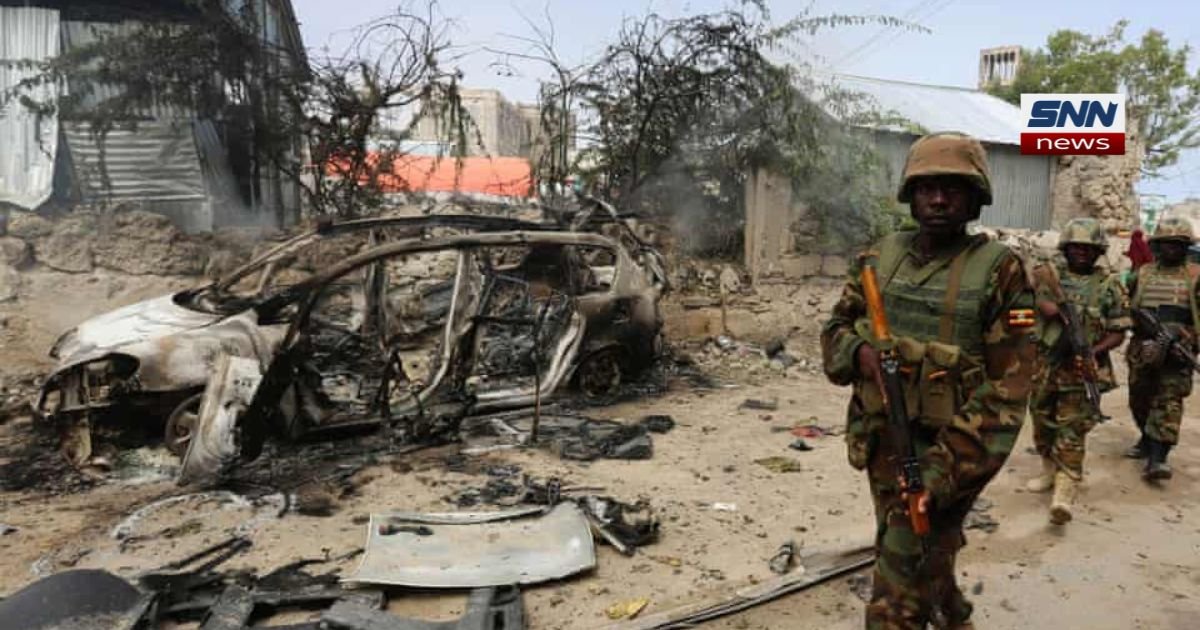
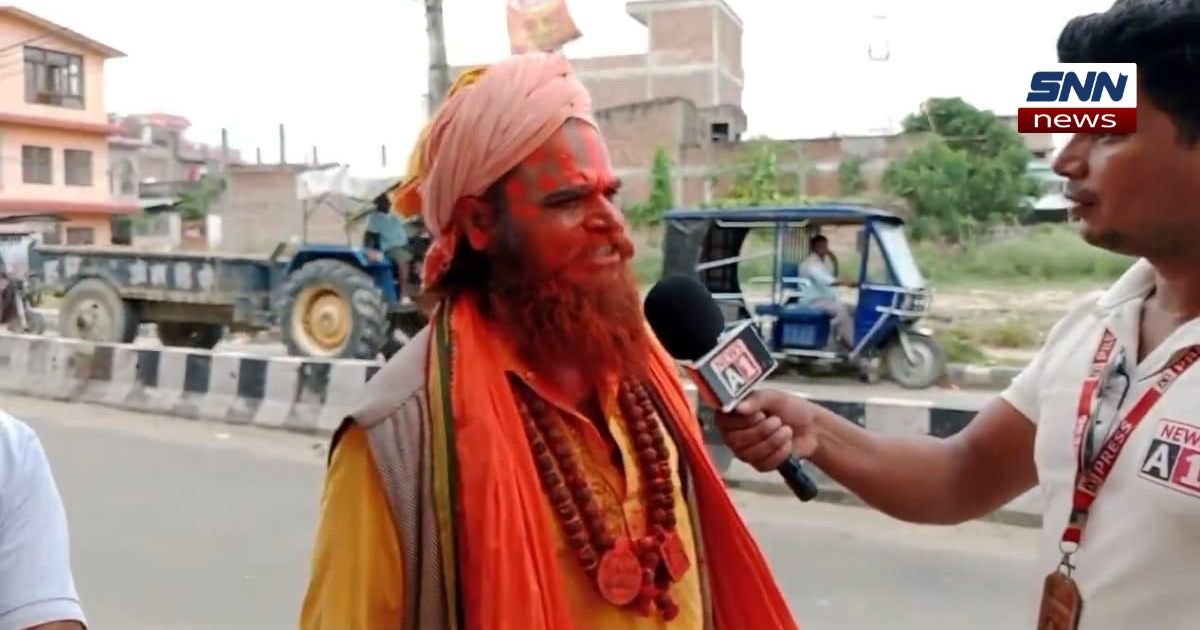
Nepal Hindu-Muslim violence has killed three people in the country’s southern districts, prompting Prime Minister Balendra Shah to make a rare public appeal for calm. The unrest began Sunday in a village in Sunsari district near the Indian border and spread to neighboring Siraha district by Thursday.
Police opened fire to disperse a crowd during the initial clash, killing two men, according to police spokesman Abi Narayan Kafle. A third man died Thursday during a protest in Siraha, despite a curfew already in place.
What Sparked the Nepal Hindu-Muslim Violence
Officials said the violence began after a dispute between Hindu and Muslim residents over loud music and religious flags during a Hindu procession. The disagreement escalated quickly, drawing in wider crowds and prompting a heavy police response.
A shopping mall in Siraha was vandalized and set on fire during the unrest, according to images verified by Reuters. Authorities have since enforced curfews in both affected districts to prevent further clashes.
PM Balendra Shah Breaks Silence
Shah has kept a low public profile since becoming prime minister in March, making Thursday’s address unusual. Speaking to the nation for the first time on the crisis, he called on citizens to stay calm and act with restraint, stopping short of blaming either community for the unrest.
The appeal marks a notable shift for Shah, whose limited public presence had drawn criticism in recent months. His government now faces pressure to prevent further escalation while addressing underlying communal tensions.
A Pattern of Rising Tension
This week’s violence is not an isolated case. Nepal has seen a string of Hindu-Muslim incidents in 2026, including a January curfew in Birgunj after a mosque was vandalized, and reports of a Muslim vendor assaulted by a mob in Kathmandu in late July.
Researchers have pointed to the growing influence of Hindu nationalist networks operating near Nepal’s border with India as a contributing factor, alongside social media posts that have inflamed local disputes. Nepal’s interim government previously tried to establish district-level peace committees to ease tensions, though implementation has been limited.
Key Facts
- Three people killed in Hindu-Muslim clashes in Sunsari and Siraha districts, Nepal
- Violence began Sunday over a dispute involving music and religious flags during a Hindu procession
- Police killed two men while dispersing the initial crowd; a third died Thursday during a curfew-period protest
- PM Balendra Shah made his first major public address since March to appeal for calm
- Curfews remain in effect in both districts
FAQs:
Q: Where did the Nepal Hindu-Muslim violence take place?
A: In Sunsari and Siraha districts in southern Nepal, near the Indian border.
Q: How many people have died?
A: Three people have died so far, according to police.
Q: What triggered the clashes?
A: A dispute over loud music and religious flags during a Hindu procession, which escalated into wider unrest.
Q: What has the Nepali government done in response?
A: Authorities imposed curfews in the affected districts, and PM Balendra Shah publicly appealed for calm.
Q: Is this an isolated incident?
A: No it follows other Hindu-Muslim tensions in Nepal in 2026, including a mosque vandalism incident in Birgunj in January.
What Happens Next
Curfews remain active in Sunsari and Siraha as security forces work to prevent further clashes. It remains unclear whether Shah’s government will pursue broader measures, such as expanding the peace committees recommended earlier this year.
Nepal Hindu-Muslim violence
About The Author