
By Hammad Kahlun
Scandinavian news Finland
Israel and US Reaffirm Joint Position on Iran Nuclear Threat
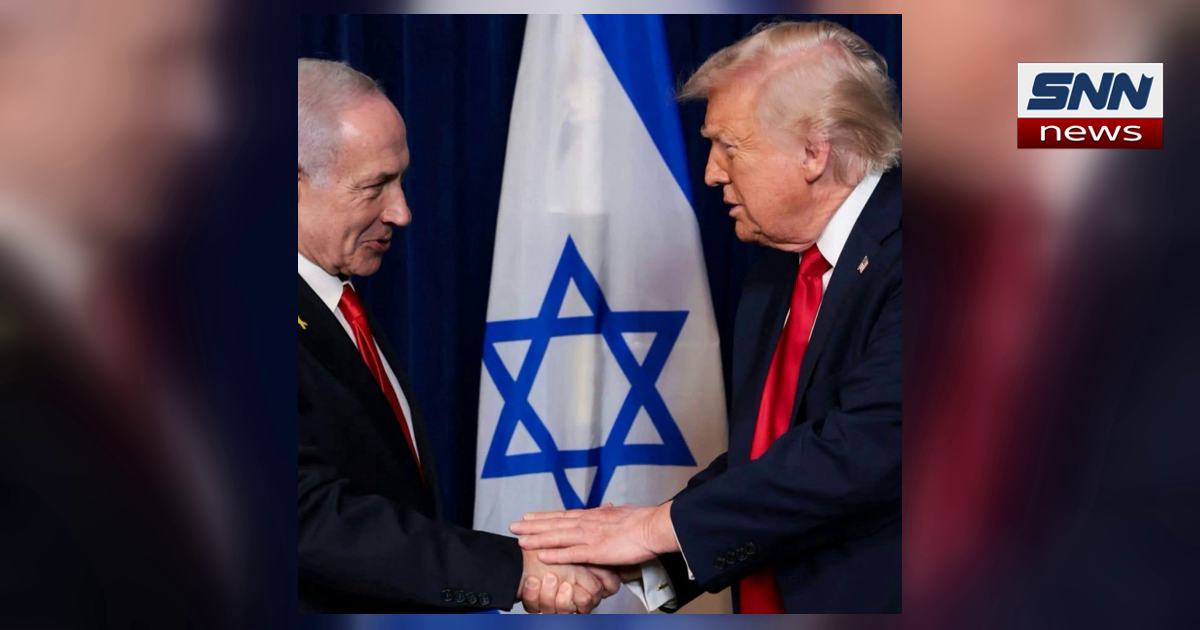
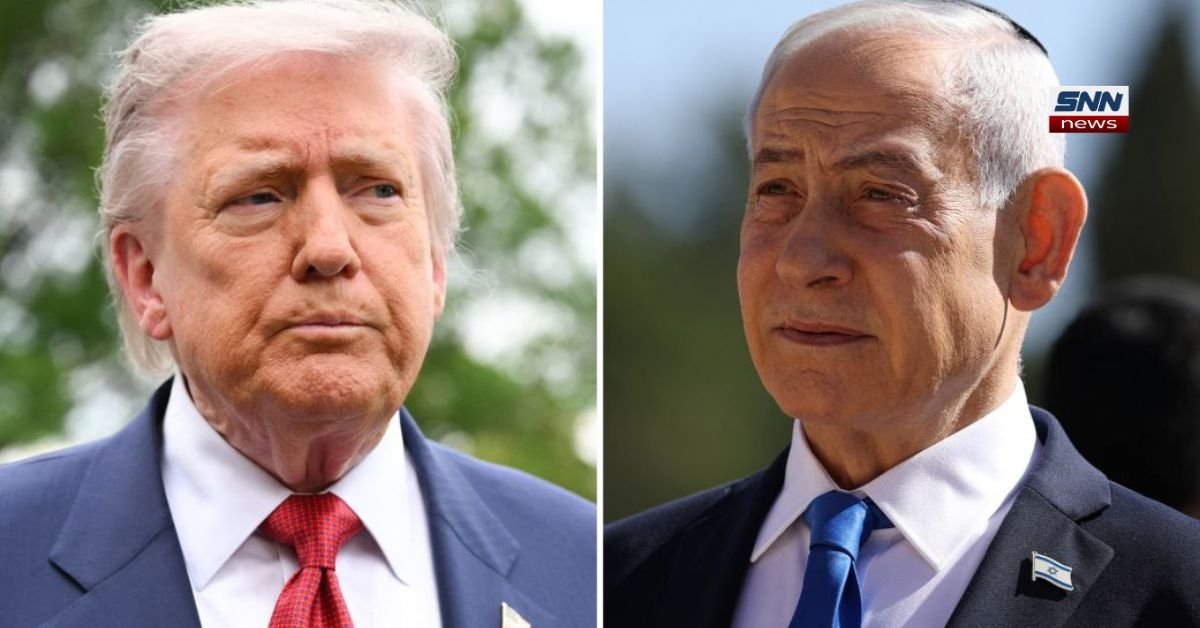
Iran Nuclear Israeli Prime Minister Benjamin Netanyahu said he held a conversation with former US President Donald Trump regarding Iran’s nuclear program, regional security concerns, and efforts linked to the Strait of Hormuz.
According to Netanyahu, the discussion focused on a proposed memorandum of understanding aimed at reopening the Strait of Hormuz and future negotiations connected to Iran’s nuclear activities.
The Israeli leader also emphasized continued military and strategic cooperation between Israel and the United States.
The remarks come at a time of heightened tensions in the Middle East, where concerns over Iran Nuclear ambitions, maritime security, and regional conflicts continue to shape international diplomacy and defense policy.
Netanyahu Praises Trump’s Support During Military Operations
In a public statement, Netanyahu thanked Trump for what he described as Iran Nuclear“unwavering commitment” to Israel’s security interests.
He referred to recent military coordination during operations identified as “Operation Roaring Lion” and “Epic Fury,” claiming that American and Israeli forces worked closely together against Iranian-linked threats.
While specific operational details were not immediately released publicly, Netanyahu’s comments highlighted the depth of military cooperation between the two allies.
Security coordination between Israel and the United States has remained a central component of regional strategy for decades, especially regarding Iran Nuclear and armed groups aligned with Tehran.
Netanyahu stated that both leaders agreed any future agreement involving Iran’s nuclear program must fully remove the possibility of Iran developing nuclear weapons.
Focus on Iran Nuclear Enrichment Facilities
A major topic discussed during the call was Iran’s nuclear infrastructure.
Netanyahu said both sides support measures that would dismantle Iran’s nuclear enrichment facilities and remove enriched nuclear material from Iranian territory.
The issue of uranium enrichment has remained one of the most disputed aspects of negotiations involving Iran Nuclear and Western powers.
Israel has repeatedly argued that Iran’s nuclear activities present a long-term security threat to the region.
What Israel Wants in a Final Iran Agreement
According to Netanyahu’s statement, the proposed conditions include:
- Dismantling Iran’s nuclear enrichment sites
- Removing enriched uranium from Iranian territory
- Preventing future nuclear weapons development
- Maintaining regional security guarantees
- Iran Nuclear
Israel has consistently opposed agreements it believes allow Iran to preserve sensitive nuclear capabilities. Israeli officials argue that partial restrictions or temporary limits may not fully eliminate future risks.
Iran, meanwhile, has repeatedly stated that its nuclear program is intended for civilian and peaceful purposes, including energy production and scientific research.
Strait of Hormuz Remains a Global Security Concern
The Strait of Hormuz is considered one of the most vital shipping corridors for global maritime trade and energy transport.
The narrow waterway connects the Persian Gulf to international shipping lanes and carries a significant portion of global oil exports.
Any disruption in the Strait of Hormuz can affect international energy markets, shipping costs, and regional stability.
Netanyahu said discussions with Trump included efforts connected to reopening or securing navigation routes in the strait.
Although details of the memorandum of understanding were limited, the topic reflects ongoing international concern about maritime tensions in the Gulf region.
Why the Strait of Hormuz Matters
The waterway is considered critical because:
- A significant amount of the world’s oil exports moves through this key international waterway.
- Regional military tensions often impact shipping security
- Energy prices can react quickly to instability in the area
- International naval forces regularly monitor the region
- Iran Nuclear
Security incidents near the Strait of Hormuz in recent years have increased fears about broader regional escalation involving Iran, Gulf states, and Western powers.
Trump Reaffirms Israel’s Right to Self-Defense
Netanyahu also stated that Trump reaffirmed Israel’s right to defend itself against threats across multiple fronts, including Lebanon.
Border tensions between Israel and armed groups operating in southern Lebanon have remained a major regional security issue.
Israeli officials frequently cite threats from Hezbollah and other Iran-backed organizations when discussing military preparedness.
The situation along Israel’s northern border has drawn international attention due to fears that localized clashes could expand into a wider regional conflict.
Trump’s reported support reflects the long-standing political and military relationship between Washington and Tel Aviv, particularly regarding defense cooperation and intelligence sharing.
US-Israel Partnership Remains Central in Middle East Strategy
The conversation between Netanyahu and Trump also underscored the broader strategic alliance between Israel and the United States.
Netanyahu described the partnership as stronger than ever, saying cooperation between the two countries has been tested during periods of conflict and military operations.
The United States remains Israel’s closest ally and largest military supporter.
Defense agreements, intelligence sharing, missile defense systems, and joint military exercises continue to shape bilateral relations.
Key Areas of US-Israel Cooperation
The alliance includes cooperation in areas such as:
- Regional security and counterterrorism
- Missile defense systems
- Intelligence coordination
- Military technology and defense support
- Diplomatic cooperation on Iran-related issues
- Iran Nuclear
Analysts say concerns about Iran Nuclear regional influence continue to strengthen security coordination between both countries.
International Attention on Iran Nuclear Negotiations
Netanyahu’s comments come amid continued international debate over the future of Iran nuclear negotiations.
Western governments, regional powers, and international agencies remain divided on how to address Tehran’s nuclear activities while avoiding broader regional instability.
Previous diplomatic efforts, including the Joint Comprehensive Plan of Action (JCPOA), attempted to place limits on Iran’s nuclear program in exchange for sanctions relief.
However, disagreements over enforcement, compliance, and regional security concerns have complicated negotiations in recent years.
Israel has remained one of the strongest critics of agreements it believes leave Iran with advanced Iran Nuclear capabilities.
Regional Impact and Global Implications
The discussion between Netanyahu and Trump reflects ongoing geopolitical tensions involving Iran, Israel, the Gulf region, and major international powers.
Security developments linked to Iran’s nuclear program, the Strait of Hormuz, and regional military alliances continue to influence:
- Global oil markets
- International diplomacy
- Middle East security policy
- Defense cooperation among allies
- Maritime trade routes
- Iran Nuclear
As negotiations and diplomatic efforts continue, international observers are closely watching whether future agreements can reduce tensions while addressing security concerns raised by Israel and its allies.
Netanyahu concluded by repeating a long-standing Israeli position that Iran must not be allowed to obtain Iran Nuclear weapons, signaling that the issue will remain central to Israel’s foreign and defense policy moving forward.
/israel-us-iran-nuclear-talks-strait-of-hormuz-security-update
About The Author