
Trust, Institutions, and Social Stability Drive Real Security
The latest Women, Peace & Security (WPS) Index has been released, once again placing Nordic countries at the very top of the global rankings.
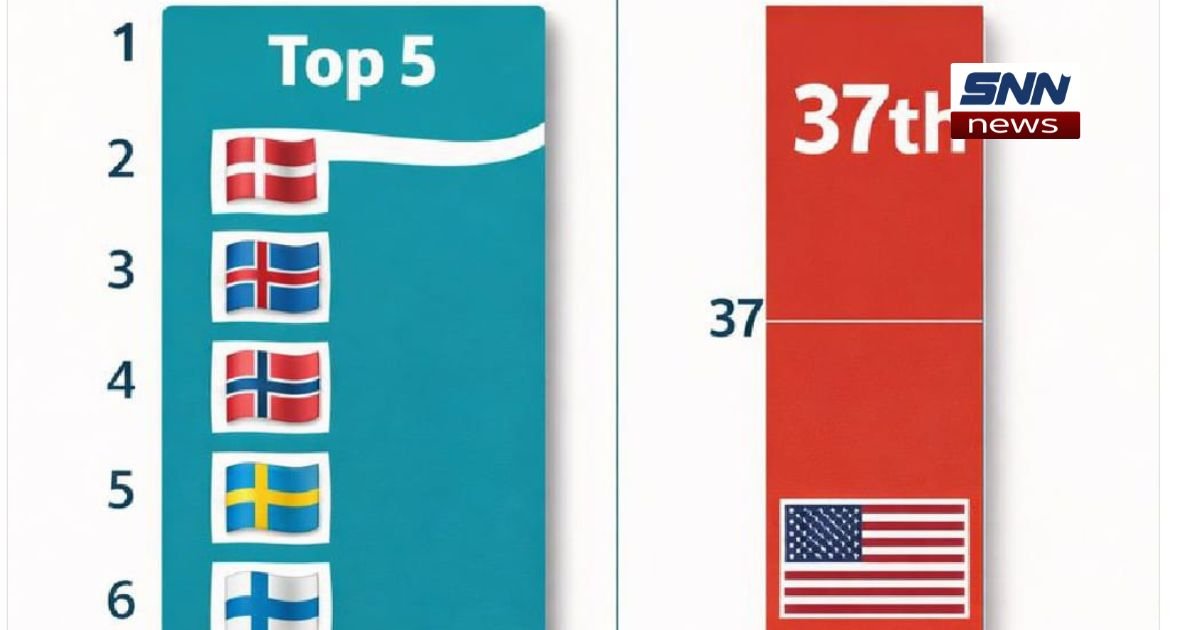
According to the index, the top five countries are Denmark, Iceland, Norway, Sweden, and Finland.
The rankings highlight a clear and consistent pattern: countries with strong social systems, high institutional trust, and inclusive governance offer the safest and most stable environments for women.
The findings challenge traditional ideas of national security by showing that safety is not defined only by military strength or economic size.
What Is the Women, Peace & Security Index?
The Women, Peace & Security Index is a global assessment that measures how countries perform in terms of women’s inclusion, justice, and security. It evaluates nations using indicators such as:
- Women’s economic participation
- Access to education and healthcare
- Legal protections and political representation
- Exposure to violence and conflict
- Institutional stability and rule of law
The index is widely used by policymakers, researchers, and international organizations to understand how gender equality connects with peace and long-term national stability.
Nordic Countries Set the Global Standard
The dominance of Nordic countries in the top rankings is not new, but it remains significant. These nations consistently invest in social welfare, transparent governance, and gender-equal policies. The result is a society where women experience higher levels of safety, opportunity, and trust in public institutions.
Importantly, the rankings show that success is not based on gross domestic product alone. Some wealthier countries with strong military capabilities rank lower, while smaller nations with robust social systems perform better.
This reinforces a key conclusion of the index: security is built through institutions and social cohesion, not force alone.
Redefining the Meaning of Security
Traditional definitions of security often focus on defense budgets, weapons systems, and military alliances. The Women, Peace & Security Index offers a broader perspective.
In top-ranked countries, security includes:
- Reliable childcare and family support systems
- Equal access to education and employment
- Independent courts and strong rule of law
- Low levels of corruption
- High public trust in government
- Nordic Countries Dominate
In these societies, women are not only protected by laws but are also active participants in political, economic, and social decision-making.
Why Trust and Institutions Matter
One of the strongest predictors of high performance in the index is trust. When citizens trust institutions, laws are followed, disputes are resolved peacefully, and social cooperation increases.
Nordic countries score highly because they have:
- Transparent public institutions
- Strong accountability mechanisms
- Inclusive policymaking processes
- Low tolerance for gender-based violence
- Nordic Countries Dominate
These factors create a stable environment where women feel safe in public and private life, and where long-term peace is more likely to endure.
Global Implications of the Rankings
The results of the Women, Peace & Security Index carry important lessons for governments worldwide. Improving women’s safety and inclusion is not a secondary social issue; it is central to national resilience and development.
Countries seeking to improve their rankings often need to focus on:
- Strengthening legal protections for women
- Expanding access to education and healthcare
- Addressing domestic and gender-based violence
- Promoting women’s participation in leadership
The index shows that progress in these areas benefits entire societies, not only women.
Beyond Numbers: Real-Life Impact
For millions of women, these rankings reflect daily realities. High-performing countries tend to have safer public spaces, better work-life balance, and stronger support systems for families.
In contrast, lower-ranked countries often struggle with weak institutions, inequality, and insecurity, which disproportionately affect women and children. The index helps bring attention to these gaps and encourages evidence-based policy responses.
A Model for Sustainable Peace
The consistent success of Nordic countries underscores a powerful message: sustainable peace is built at home. It depends on fair laws, equal opportunities, and social systems that support all citizens.
As global conflicts, economic pressures, and political polarization increase, the Women, Peace & Security Index serves as a reminder that true security begins with trust, inclusion, and institutions that work for everyone.
The latest rankings do not just measure performance. They offer a roadmap for how nations can create safer, more resilient societies by placing women’s security and equality at the center of public policy.
Read more about Nordic countries’ social policies and women’s safety on our Finland coverage page.
About The Author