
By Hammad Kahlun
Scandinavian News Finland
Norway Arrests Epstein-Linked Former PM Thorbjørn Jagland in Landmark Corruption Case
In a stunning development that has sent shockwaves across Europe, Norway has taken the unprecedented step of arresting former Prime Minister Thorbjørn Jagland on serious corruption charges.
The arrest, announced earlier today, marks a historic moment as Norway becomes one of the first Western nations to take such decisive legal action against a high-profile political figure linked to financial and ethical misconduct.
Who is Thorbjørn Jagland?
Thorbjørn Jagland, a seasoned Norwegian politician, served as the country’s Prime Minister from 1996 to 1997 and has held influential positions in both domestic and international politics.
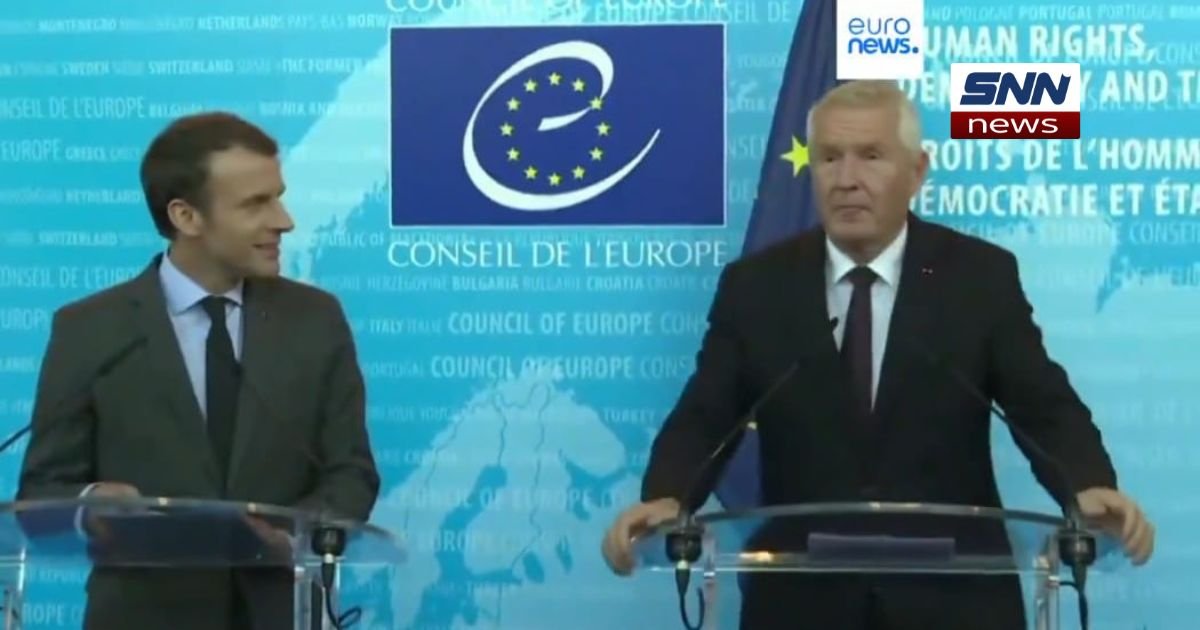
He is also known for his role as Secretary General of the Council of Europe and as a former Nobel Committee chair, positions that cemented his reputation as a leading figure in European diplomacy.
Jagland’s arrest has therefore sent shockwaves not only through Norway’s political circles but also across international diplomatic networks. Observers are calling it a significant move in holding even the most powerful figures accountable under the law.
Details of the Arrest
Norwegian authorities have confirmed that Jagland was taken into custody on suspicion of serious corruption, though full details of the investigation remain confidential at this stage.
Officials have stated that the Arrests Epstein linked is part of a broader investigation into financial mismanagement and misuse of public office.
- Jagland was detained at his Oslo residence early in the morning.
- Police confirmed that the arrest was pre-planned and executed after months of investigation.
- Authorities are reportedly examining Jagland’s financial transactions, political dealings, and connections to various international organizations.
- Arrests Epstein
While details remain limited, experts suggest that this case could uncover systemic issues within Norway’s political and administrative structures.
Why Norway’s Move is Significant
Norway’s decision to detain a former prime minister is being hailed as a landmark in Western politics, demonstrating that even senior leaders are not immune from legal scrutiny.
- The arrest underscores Norway’s commitment to transparency and accountability in governance.
- It sets a precedent for other Western nations to investigate high-level corruption without political bias.
- International observers are closely watching how Norway balances legal procedures with public expectations of justice.
- Arrests Epstein
According to analysts, such bold actions are rare in Western democracies, where former political leaders often retain significant immunity and influence. Norway’s proactive approach may inspire other countries to strengthen their anti-corruption frameworks.
Public Reaction
News of Jagland’s Arrests Epstein linked has sparked widespread debate in Norway. Citizens expressed a mix of shock, outrage, and cautious approval.
Many view this as a necessary step to ensure integrity in public office, while others worry about the political ramifications.
Social media platforms have been flooded with discussions, ranging from calls for full transparency in the investigation to concerns about potential political motivations behind the arrest.
Historical Context and Background
Norway has traditionally been regarded as one of the least corrupt countries in Europe, consistently ranking high on global transparency indices. However, this arrest highlights that even nations with strong governance systems are not immune to lapses among top officials.
Thorbjørn Jagland’s career has long been under scrutiny, especially regarding his involvement in international diplomacy and management of funds through various European institutions.
While allegations of misconduct have surfaced in the past, today’s arrest represents the first formal legal action against him.
Implications for the West
The Arrests Epstein of a former Western leader on corruption charges sends a powerful message globally: accountability extends to all, regardless of position or influence.
This development could influence how other countries handle allegations against prominent politicians, potentially encouraging more rigorous oversight.
Legal experts emphasize that this case may take months to unfold, with investigations likely to include detailed audits, witness testimonies, and cross-border financial inquiries.
Next Steps
Authorities have indicated that Jagland will remain in custody while the investigation continues. Norway’s judicial system is expected to follow strict due process, ensuring that the case is handled fairly and transparently.
The international community will be watching closely, as the outcome could redefine expectations of political accountability in the Western world.
Norway arrests Epstein-linked former PM Thorbjørn Jagland, marking a rare moment of political accountability in the West.
About The Author