
By Muhammad Zia Mohiuddin
Scandinavian News Agency
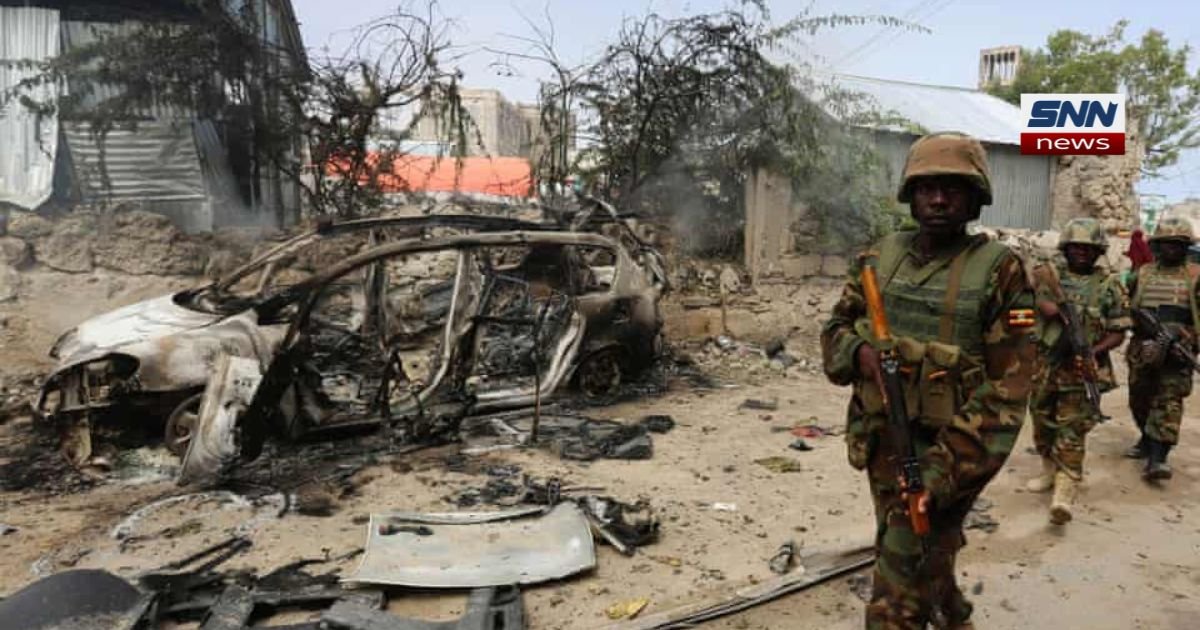
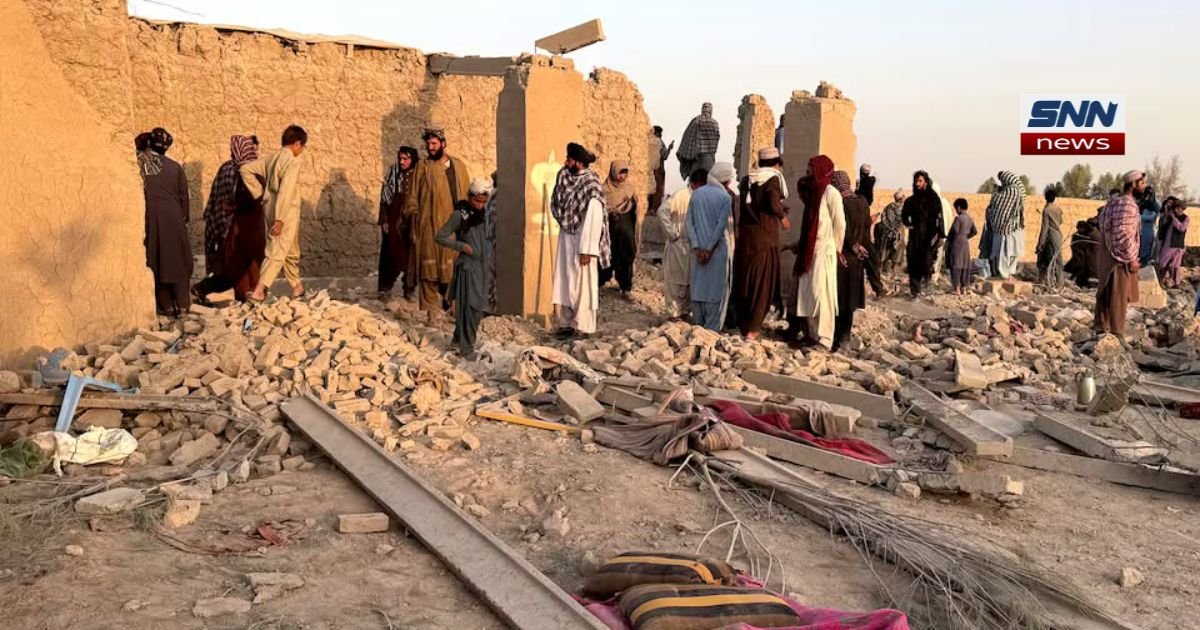
Pakistan-Afghanistan airstrikes have reportedly resulted in civilian casualties, according to a commentary circulated by SNN News that cites the United Nations Assistance Mission in Afghanistan (UNAMA).
The specific incident, casualty figures, and date referenced in the commentary could not be independently verified at the time of this report.
UNAMA is the UN’s political mission tasked with monitoring human rights and civilian protection in Afghanistan, and it has periodically documented civilian harm linked to cross-border military activity in the past.
The commentary argues that even where militant targets are involved, the loss of civilian life, particularly among women and children, represents a serious humanitarian concern that demands accountability.
Pakistan-Afghanistan Airstrikes Reignite Security Debate
Pakistan has carried out airstrikes inside Afghan territory in recent years, citing the presence of militant groups it says use Afghan soil to plan attacks against Pakistani security forces and civilians.
Islamabad maintains that such operations fall within its right to self-defense against cross-border terrorism.
Afghanistan’s de facto authorities have previously condemned such strikes as violations of Afghan sovereignty, arguing that unilateral military action undermines trust between the two neighbors.
Neither government’s official response to the specific incident referenced in this commentary was available for direct attribution.
Balancing Security Concerns and Civilian Protection
The commentary does not dispute Pakistan’s stated security concerns but argues that military action alone cannot deliver lasting stability if it comes at the cost of civilian lives.
This tension, between counterterrorism objectives and civilian protection, is a recurring theme in conflicts involving cross-border militancy worldwide.
Human rights organizations have long urged that any military operation near populated areas include verified targeting and transparent casualty reporting, standards that UNAMA and similar UN bodies are mandated to monitor in Afghanistan.
Key Facts
- A commentary circulated by SNN News cites UNAMA regarding civilian casualties from Pakistan-Afghanistan airstrikes
- Specific incident details and casualty numbers were not independently verified in this report
- Pakistan has previously defended cross-border strikes as counterterrorism measures
- Afghanistan’s de facto authorities have previously objected to such strikes as sovereignty violations
- The commentary calls for dialogue and diplomatic engagement over continued military action
- Afghanistan Airstrikes
FAQs
What is UNAMA?
The United Nations Assistance Mission in Afghanistan is a UN political mission that monitors human rights and civilian protection issues in the country.
Has Pakistan confirmed the airstrikes mentioned in this report?
No official Pakistani government statement on the specific incident referenced was available at the time of this report.
Why does Pakistan conduct airstrikes in Afghanistan?
Pakistan has said such operations target militant groups it believes use Afghan territory to plan cross-border attacks.
How has Afghanistan responded to past Pakistani airstrikes?
Afghan authorities have previously described similar strikes as violations of national sovereignty.
What alternative does the commentary propose?
It calls for diplomatic dialogue and mutual security cooperation between Pakistan and Afghanistan instead of continued military action.
Can Pakistan-Afghanistan Relations Shift Toward Dialogue?
The commentary calls for Pakistan and Afghanistan to address security disputes through diplomatic channels rather than continued military exchanges, describing the two countries as neighbors capable of building a relationship based on mutual respect.
This position echoes past calls from regional analysts and some international mediators for structured dialogue mechanisms between Islamabad and Kabul.
Skeptics of this approach, including some Pakistani security officials in past public statements, have argued that dialogue has repeatedly failed to curb cross-border militant activity, making continued security operations necessary.
Both viewpoints remain part of an unresolved, long-running debate over how the two countries should manage shared border security.
Pakistan and Afghanistan Airstrikes face ongoing security challenges, with dialogue and diplomatic engagement remaining key options for managing cross-border tensions.
About The Author