
By Shumaila Aslam
Scandinavian News Finland
Bureau Chief Pakistan
Islamabad’s Diplomatic Push Signals Possible Breakthrough Within 48 Hours
Pakistan has intensified its diplomatic engagement to help Efforts broker a ceasefire in the ongoing tensions between Iran and the United States, with officials indicating that a breakthrough agreement could emerge within the next 48 hours.
Senior leadership in Islamabad is actively communicating with both sides in an effort to de-escalate the situation and prevent further instability in the region.
According to information obtained by Scandinavian News Finland, Pakistan’s military and political leadership are playing a Efforts coordinated role in facilitating dialogue.
The development comes at a critical time, as the risk of escalation has raised global concerns over regional security and economic consequences.
Key Leadership Involved in High-Level Contacts
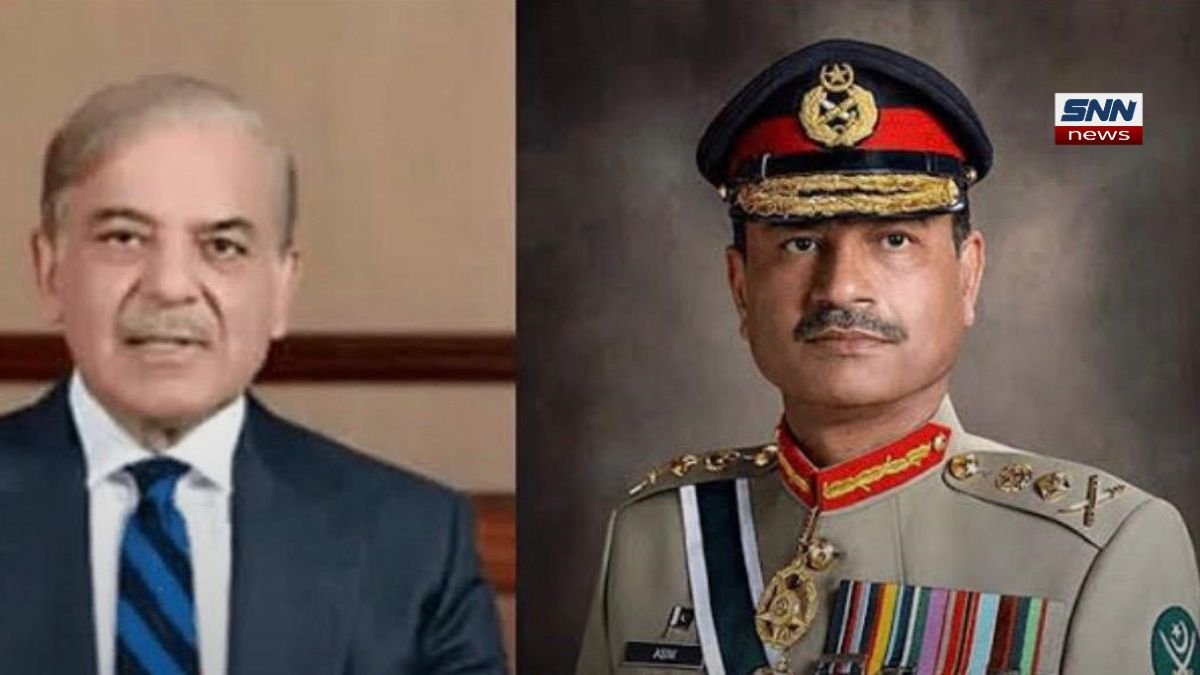
Pakistan’s Chief of Army Staff, Asim Munir, along with Prime Minister Shahbaz Sharif, have reportedly been in direct and indirect contact with officials Efforts from both Washington and Tehran.
These engagements are focused on reducing hostilities and building a framework for a ceasefire agreement.
Diplomatic sources suggest that Pakistan’s approach combines military-level communication with political dialogue, aiming to ensure both strategic and diplomatic alignment.
This dual-channel engagement is seen as critical in addressing security concerns while also creating space for negotiation.
Trump Deadline Adjusted Amid Mediation Efforts
The mediation efforts by Pakistan have also reportedly influenced the timeline previously outlined by Donald Trump regarding Iran.
A Monday deadline that had been set for specific developments in the conflict appears to have been softened or adjusted following behind-the-scenes diplomatic interventions.
While official confirmation from Washington remains limited, analysts believe that Pakistan’s involvement has contributed to easing immediate pressure, allowing more time for negotiations to take place.
This shift is considered significant, as rigid deadlines often complicate sensitive diplomatic processes.
Proposed ‘Islamabad Accord’ Gains Attention
At the center of the ongoing negotiations is a potential agreement being referred to as the “Islamabad Accord.”
The proposed framework is expected to outline terms for a ceasefire between Iran and the United States, focusing on immediate de-escalation and longer-term conflict management mechanisms.
Key elements expected in the Islamabad Accord include:
- Immediate cessation of hostilities
- Establishment of communication channels to prevent misunderstandings
- Confidence-building measures between both parties
- A roadmap for future diplomatic engagement
- Efforts
Although details remain under discussion, early indications suggest that both sides are showing cautious openness to the proposal.
The naming of the accord after Islamabad reflects Pakistan’s central role in facilitating the dialogue.
Strategic Importance of Pakistan’s Role
Pakistan’s involvement in mediating Efforts international conflicts is not new, but its current role highlights its strategic importance in regional and global diplomacy.
Positioned geographically and politically between major global and regional powers, Pakistan often acts as a bridge in complex geopolitical situations.
Experts note that Pakistan maintains working relationships with both Iran and the United States, allowing it to serve as a credible intermediary.
Its military leadership also brings an additional layer of influence, particularly in security-related discussions.
Moreover, Pakistan’s efforts align with its broader foreign policy objectives, which emphasize regional stability and economic cooperation.
A successful mediation Efforts could enhance Islamabad’s diplomatic standing on the global stage.
Regional and Global Implications
The potential ceasefire carries significant implications not only for the Middle East but also for global security and economic stability.
Prolonged tensions between Iran and the United States have historically impacted oil markets, trade routes, and regional alliances.
A de-escalation would likely:
- Reduce the risk of military confrontation in the Gulf region
- Stabilize global energy markets
- Lower geopolitical tensions affecting neighboring countries
- Create opportunities for renewed diplomatic engagement
- Efforts
Countries across Europe and Asia are closely monitoring the situation, given the far-reaching consequences of any escalation or resolution.
Challenges Ahead in Finalizing the Agreement
Despite the positive signals, several challenges remain in reaching a finalized agreement. Both Iran and the United States have longstanding grievances and strategic concerns that complicate negotiations.
Key challenges include:
Trust Deficit
Years of strained relations have created deep mistrust between the two sides, making it difficult to agree on verification mechanisms.
Political Pressures
Domestic political considerations in both countries may influence decision-making and limit flexibility in negotiations.
Regional Dynamics
Other regional actors may have stakes in the outcome, adding complexity to the process.
Pakistan’s role, therefore, involves not only facilitating dialogue but also helping both sides navigate these challenges in a constructive manner.
Diplomatic Momentum Builds as Deadline Nears
With reports suggesting that a ceasefire could be reached within 48 hours, diplomatic momentum appears to be building.
Multiple sources indicate that backchannel communications are ongoing, with negotiators working to finalize key terms.
While no official announcement has yet been made, the progress achieved so far has raised cautious optimism among observers.
The coming days are expected to be critical in determining whether the proposed Islamabad Accord can materialize into a formal agreement.
Conclusion: A Critical Moment for Peace Efforts
Pakistan’s renewed Efforts to mediate between Iran and the United States represent a significant diplomatic initiative at a time of heightened global tensions.
By engaging both military and political channels, Islamabad is attempting to create conditions for a sustainable ceasefire.
If successful, the Islamabad Accord could mark an important step toward reducing hostilities and promoting stability in a volatile region.
However, the outcome will depend on the willingness of all parties to compromise and commit to long-term peace efforts.
As the 48-hour window unfolds, the international community will be watching closely to see whether diplomacy Efforts can prevail over conflict.
Pakistan’s diplomatic efforts in global conflict resolution
About The Author