
By Shumaila Aslam
Scandinavian News Finland
Bureau Chief Pakistan
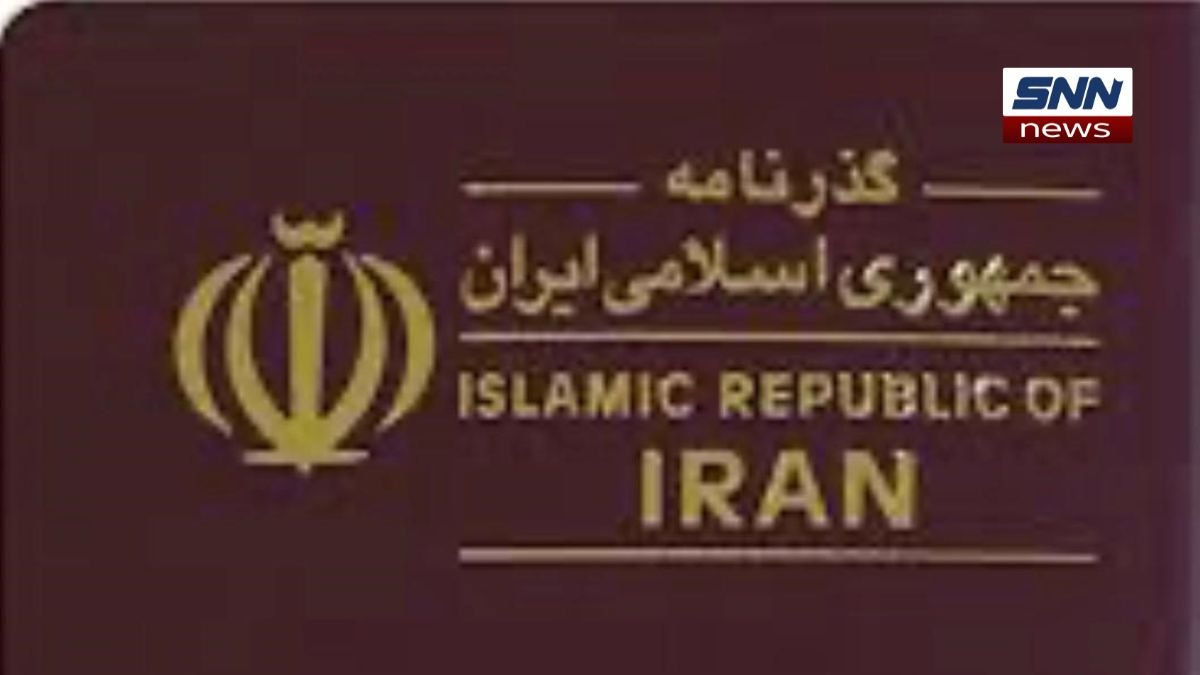
Pakistan’s Mediation is being credited with playing a constructive diplomatic role in easing tensions between Iran and the United States, according to officials cited by Scandinavian News Finland.
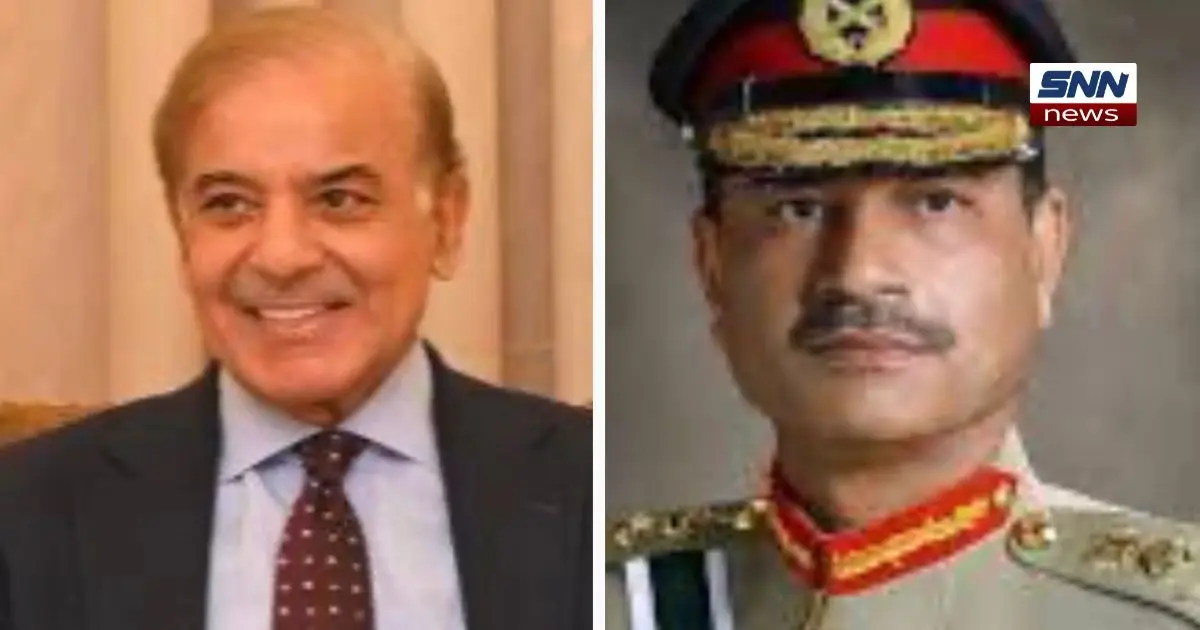
Senior Pakistan’s Mediation leadership, including Prime Minister Shahbaz Sharif and Chief of Army Staff General Asim Munir, reportedly helped maintain communication between the two sides at a critical moment.
These developments come as early signs of de-escalation appear, raising hopes that the situation may move toward stability after a period of heightened tensions.
Pakistan as a Diplomatic Bridge
Sources indicate that Pakistan acted as a bridge between Iran and the United States when direct communication channels were limited.
By facilitating indirect dialogue, Pakistan’s Mediation helped both sides exchange messages and avoid misunderstandings.
This type of diplomacy is often important in sensitive situations where open talks are difficult. Pakistan’s role focused on reducing tensions and encouraging peaceful engagement instead of conflict.
Key aspects of Pakistan’s reported efforts include:
- Supporting indirect communication between both countries
- Encouraging restraint during a tense period
- Promoting diplomatic solutions over military action
- Pakistan’s Mediation
These efforts align with Pakistan’s broader foreign policy approach, which emphasizes regional stability and peaceful conflict resolution.
Background of Iran-US Tensions
Relations between Iran and the United States have remained tense for many years. Disagreements over security issues, nuclear policies, and economic sanctions have led to repeated periods of conflict and uncertainty.
Recent developments increased concerns about a possible escalation. This created urgency for diplomatic efforts to prevent further instability in the region.
In such situations, third-party countries often play an important role by helping both sides stay connected and avoid actions that could worsen the crisis.
Leadership-Level Involvement
According to reports, Pakistan’s top leadership, including Prime Minister Shehbaz Sharif and General Asim Munir, played an active role in supporting diplomatic communication.
Their involvement added credibility and seriousness to the effort.
High-level engagement is often necessary to build trust and ensure that messages are taken seriously. It also shows a strong commitment to peace and stability.
Signs of De-escalation
Recent developments suggest that tensions between Iran and the United States may be easing.
While no formal agreement has been announced, the lack of further escalation is seen as a positive sign.
Observers believe that continued communication and diplomatic efforts have helped reduce immediate risks. Pakistan’s role in maintaining dialogue is being viewed as part of this progress.
Pakistan’s History of Peace Efforts
Pakistan’s Mediation has often positioned itself as a supporter of dialogue and peaceful solutions in regional and international conflicts.
It has previously encouraged negotiations and worked to reduce tensions in different situations.
Its geographic position and diplomatic connections allow it to engage with multiple countries, making it a potential mediator in complex issues.
This approach reflects a long-standing policy of promoting peace and stability rather than confrontation.
Regional and Global Importance
Reducing tensions between Iran and the United States is important not only for the region but also for the world. Any escalation could have serious consequences, including:
- Disruption of global energy supplies
- Increased instability in the Middle East
- Impact on international trade routes
- Rising political tensions among major powers
- Pakistan’s Mediation
Efforts that help prevent conflict can therefore have wide-reaching benefits.
Ongoing Challenges
Despite positive signs, the situation remains uncertain. The underlying issues between Iran and the United States have not been fully resolved, and tensions could rise again.
Experts emphasize that continued diplomatic engagement is necessary to maintain stability. Short-term de-escalation must be followed by long-term solutions.
Pakistan’s Mediation role, while important, is part of a broader international effort involving multiple countries and organizations.
Importance of Continued Dialogue
The situation highlights the importance of communication and diplomacy in managing global conflicts. Dialogue helps reduce risks and creates opportunities for peaceful outcomes.
Countries that can facilitate communication, like Pakistan’s Mediation, play a valuable role in preventing crises from escalating into larger conflicts.
Conclusion
Pakistan’s Mediation reported involvement in Iran-US tensions shows its commitment to promoting peace and stability in the region.
By helping maintain communication during a critical time, it appears to have contributed to reducing immediate risks.
While challenges remain, the current signs of de-escalation offer cautious optimism. Continued diplomatic efforts will be essential to ensure long-term stability and avoid future conflicts.
Pakistan plays a key role in Iran-US talks, helping reduce tensions and support regional peace through diplomatic efforts
About The Author