
WARSAW — The government of Poland has announced a 90-day extension of the Poland Extends Belarus along its border with Belarus, citing a sharp rise in illegal migration attempts and growing security concerns.
The restricted area, originally introduced in June 2024, has already been extended multiple times as authorities continue efforts to control cross-border movement.
Officials say the latest decision follows a significant increase in attempted border crossings reported by neighboring European Union member states.
According to recent data, illegal crossing attempts have risen approximately 3.5 times over the past month, highlighting ongoing pressure along the eastern frontier of the EU.
Poland Extends Belarus is part of Poland’s broader border security strategy aimed at protecting national territory while addressing regional migration challenges.
What the Buffer Zone Means
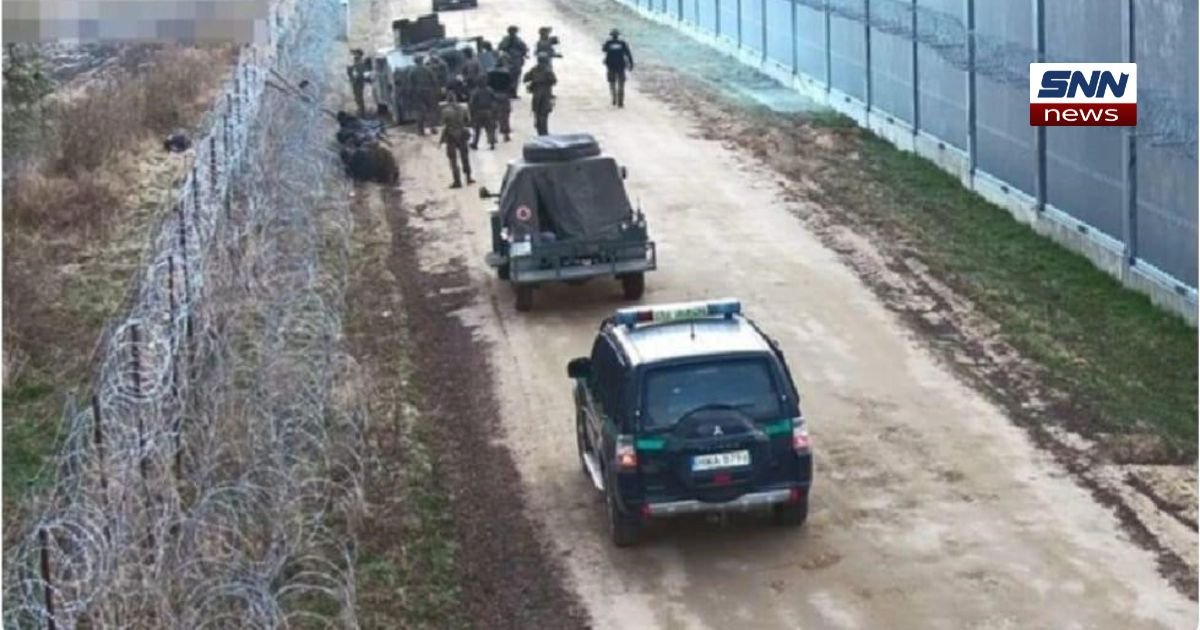
The Poland Extends Belarus is a restricted security area established near the frontier between Poland and Belarus. It limits public access and increases the presence of border guards, military personnel, and surveillance systems.
Authorities introduced the measure to:
- Strengthen border security
- Prevent illegal migration attempts
- Allow security forces to respond quickly to incidents
- Reduce risks of organized human smuggling networks
- Poland Extends Belarus
Under the extension, the restrictions will remain in place for another three months, giving authorities additional time to monitor developments and stabilize the situation along the border.
Polish officials argue that the buffer zone has become a key tool in managing migration pressure and preventing unauthorized entry into the European Union.
Surge in Illegal Border Crossing Attempts
Security agencies in Poland and nearby EU states have recently reported a noticeable increase in migration activity along the eastern border.
Officials say the number of attempted illegal crossings has surged more than threefold within a month, raising concerns about coordinated efforts to move migrants toward EU territory.
Poland’s eastern border is considered one of the most sensitive external borders of the European Union, and authorities closely monitor activity in the region.
Border guards say migrants attempting to cross often face dangerous conditions, including dense forests, harsh weather, and difficult terrain.
Polish security forces conduct regular patrols and use advanced monitoring technologies such as drones, thermal cameras, and motion sensors.
Regional and EU Security Concerns
The border between Poland and Belarus has remained a major geopolitical and migration flashpoint in recent years. European leaders have repeatedly raised concerns about migration pressure on the EU’s eastern frontier.
Officials in Poland and other EU countries have accused Belarusian authorities of facilitating migration flows toward EU borders as part of broader political tensions between Minsk and the European bloc. Belarus has rejected those accusations.
The European Union has supported Poland’s efforts to strengthen border protection, emphasizing the importance of maintaining secure external borders while respecting international humanitarian obligations.
Background: Why the Buffer Zone Was Introduced
Poland first established the buffer zone in June 2024, when authorities reported increasing attempts by migrants to cross the Belarus-Poland border illegally. The restricted area was initially approved for 90 days, but security conditions led to repeated extensions.
Key reasons behind the policy include:
- Increased migration routes through Belarus
- Concerns about organized smuggling networks
- Security challenges along the EU’s eastern frontier
- The need for controlled operational space for border forces
- Poland Extends Belarus
Since its introduction, the buffer zone has allowed Polish security services to operate more effectively by restricting civilian access in sensitive border areas.
Impact on Local Communities
While the buffer zone is designed to strengthen security, it has also affected local communities living near the border region.
Some residents and humanitarian organizations have raised concerns about restricted access to forests and farmland located within the security perimeter.
Human rights groups have also called for greater transparency and humanitarian safeguards for migrants who may become stranded near the border.
Polish authorities maintain that the restrictions are necessary for national security and that emergency services remain available in the region.
What Happens Next
With the latest decision, the buffer zone will remain active for another 90 days, allowing border authorities to continue monitoring migration activity and enforcing security measures.
Government officials say the situation will be reviewed regularly, and further extensions could be considered if migration pressure continues.
For Poland and the European Union, the eastern border remains a strategic security priority, particularly as migration patterns evolve and geopolitical tensions in the region persist.
As authorities closely watch developments, the extended buffer zone is expected to remain a central part of Poland’s efforts to manage border security while responding to regional migration challenges.
“Read more on EU border security and migration updates in our Poland-Belarus border coverage.”
About The Author