
A brutal crime exposes deep fault lines in justice, gender safety, and poverty in Pakistan
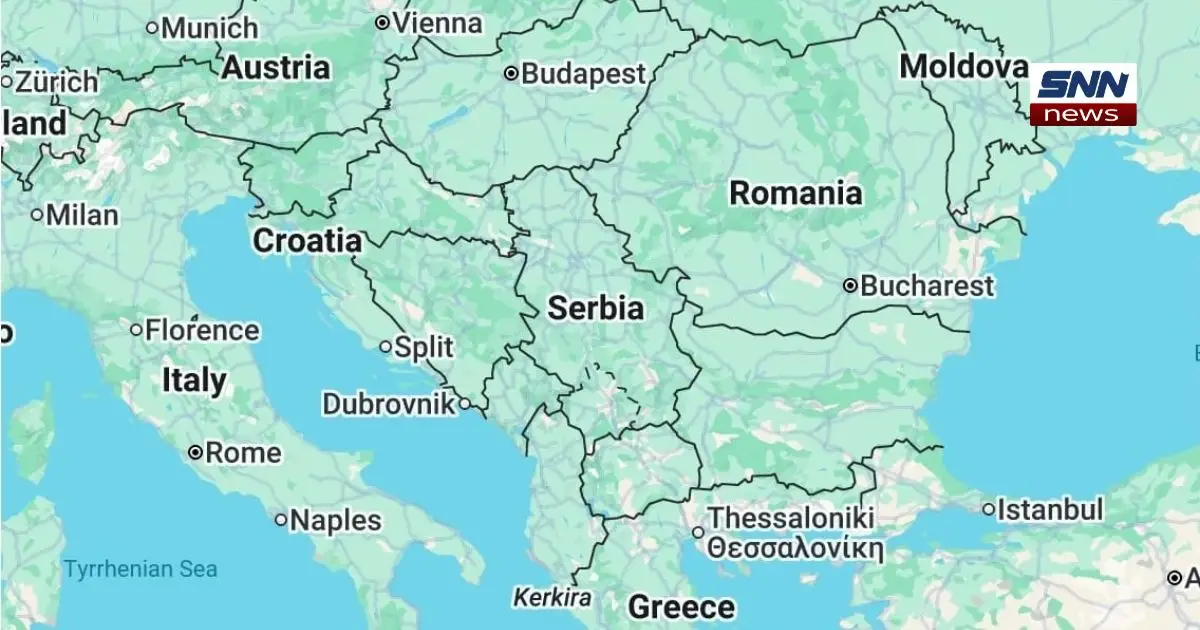
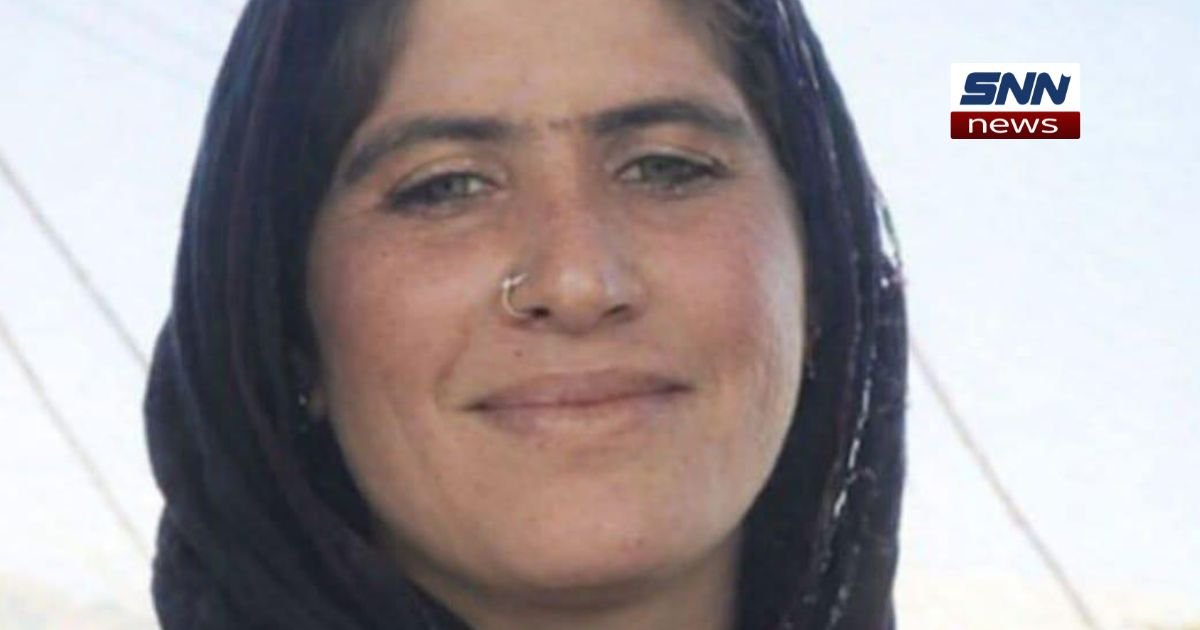
A deeply disturbing case has emerged from Jamshoro, where a pregnant Pashtun woman who had gone missing was later found brutally murdered, raising serious questions about police conduct, women’s safety, and the influence of feudal power structures in Pakistan.
The victim, Sabirah Khan, had migrated to Sindh with her family from Bannu in search of work and survival.
Her killing has sparked widespread anger among civil society groups and human rights observers, who say the case reflects a systemic failure to protect poor and vulnerable women.
Who She Was and Why She Came to Sindh
Sabirah Khan belonged to a poor Pashtun family originally from Khyber Pakhtunkhwa. Like many internal migrants, her family relocated to Jamshoro hoping to escape poverty and find daily-wage opportunities.
Contrary to common stereotypes, not every Pashtun family is financially stable. Sabirah worked tirelessly to support her household by selling clothes door to door.
Her earnings helped feed her children and keep the family afloat. At the time of her disappearance, she was also pregnant, adding to the vulnerability of her situation.
The Pregnant Pashtun case underscores the harsh reality faced by poor women in Pakistan, where justice often collapses under social and economic pressure.
Disappearance and Initial Police Response
Around ten days before her body was discovered, Sabirah suddenly went missing. Her four young children were left behind, crying and confused, as the family desperately searched for answers.
According to relatives, the family approached the Sindh Police to report her disappearance. However, they allege that authorities failed to take the case seriously.
Instead of launching an immediate investigation, police reportedly suggested that the woman had “run away with someone” and advised the family to carry on with their lives.
No formal urgency was shown, despite the fact that Sabirah was pregnant and had no known reason to abandon her children.
Discovery of the Body and Medical Findings
Ten days after her disappearance, a mutilated female body was recovered. The condition of the body immediately indicated extreme violence.
When Sabirah’s husband, sister-in-law, and other family members arrived for identification, they confirmed that the body was hers.
Police inaction during the early hours of the Pregnant Pashtun woman’s disappearance proved critical, allowing the crime to go unchecked and delaying justice.
A subsequent medical examination revealed horrifying details. According to the report, Sabirah had been:
- Abducted
- Gang-raped by multiple individuals
- Murdered after sexual assault
- Mutilated, with severe facial injuries
The findings contradicted earlier police assumptions and confirmed that Sabirah was the victim of a heinous crime, not a voluntary disappearance.
Arrests, Release, and Allegations of Feudal Influence
Following public pressure and confirmation of the crime, suspects were reportedly arrested. However, the family says that after spending only two days in custody, the accused were released.
Relatives allege that the release occurred due to the intervention of powerful local feudal landlords, commonly referred to as “waderas.”
These landlords are often accused of exerting undue influence over law enforcement and judicial processes in rural Sindh.
The family believes that Sabirah’s poverty and lack of political connections made it easier for the perpetrators to escape accountability.
A Crime Rooted in Gender and Poverty
Human rights advocates argue that Sabirah Khan’s murder is not an isolated incident but part of a broader pattern of violence against poor women in Pakistan. They say her “crime” was twofold: she was a woman, and she was poor.
In many cases involving marginalized women, families face:
- Victim-blaming attitudes
- Delayed police action
- Weak investigations
- Pressure to remain silent
- Pregnant Pashtun
Such conditions create an environment where perpetrators feel protected, especially when backed by social or economic power.
Public Impact and Call for Accountability
The killing has intensified debate about women’s safety, police accountability, and judicial independence in Pakistan. Activists are calling for:
- A transparent reinvestigation of the case
- Re-arrest and prosecution of the accused
- Accountability for officials who ignored the missing person report
- Protection for the victim’s children and family
- Pregnant Pashtun
Sabirah Khan leaves behind four young children whose lives have been irreversibly altered. Her story highlights the urgent need for institutional reform and equal application of the law, regardless of gender, wealth, or social status.
As outrage grows, many are asking a painful question: how can a society survive when its most vulnerable citizens are denied justice?
Pregnant Pashtun woman found murdered in Jamshoro highlights ongoing failures in protecting vulnerable women and delivering justice in Pakistan.
About The Author