
By Riffat Kausar
SNN News Finland
Her Death During the Second Intifada Continues to Shape Global Debate on Civilian Protection
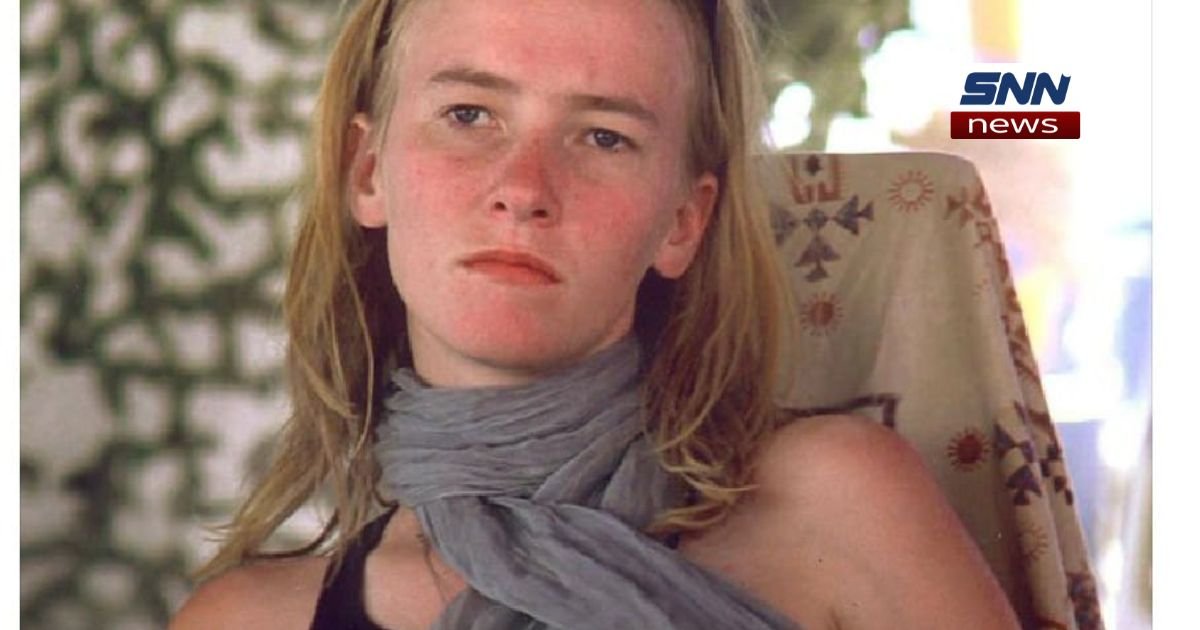
Rachel Corrie was a 23-year-old American activist from Olympia, Washington, whose death in the Gaza Strip in 2003 became one of the most widely discussed cases involving international civilian activists in the Israeli-Palestinian conflict.
She was killed while attempting to prevent the demolition of a Palestinian home, an event that continues to be referenced in discussions on human rights, military conduct, and civilian protection in conflict zones.
Corrie was in Gaza as a member of the International Solidarity Movement (ISM), a pro-Palestinian activist group that organizes international volunteers to engage in non-violent resistance.
Her death occurred during the Second Intifada, a period marked by heightened violence, military operations, and civilian casualties in Israel and the occupied Palestinian territories.
Who Was Rachel Corrie
Rachel Corrie was born in 1979 and raised in Olympia, a small city in the U.S. state of Washington. She was a college student, writer, and activist with a strong interest in social justice and global human rights issues. Friends and family described her as politically aware and deeply concerned about the impact of conflict on ordinary civilians.
Before traveling to Gaza, Corrie had been involved in community activism and had expressed interest in international solidarity work. In early 2003, she joined the International Solidarity Movement and traveled to the southern Gaza Strip, specifically the city of Rafah, an area that frequently saw Israeli military operations at the time.
What Happened in Gaza
On March 16, 2003, Rachel Corrie was participating in a protest aimed at preventing the demolition of a Palestinian family’s home in Rafah. According to accounts from fellow activists, Corrie was wearing a bright orange vest and standing in front of the house when an Israeli military bulldozer approached the area.
During the confrontation, Corrie was struck by the bulldozer and later died from her injuries. She was taken to a nearby hospital but could not be saved. Her death occurred in the presence of other international activists, whose eyewitness testimonies would later become central to the public debate surrounding the incident.
The Israeli Defense Forces (IDF) stated that the area was an active combat zone and that the bulldozer operator did not see Corrie at the time. Israeli authorities maintained that the death was a tragic accident rather than an intentional act.
Investigations and Legal Proceedings
Following the incident, the Israeli military conducted an internal investigation and concluded that there was no criminal wrongdoing. The case remained controversial, particularly among human rights organizations and Corrie’s family, who challenged the findings.
In later years, Rachel Corrie’s family pursued a civil lawsuit in Israeli courts, arguing that the military was responsible for her death. In 2012, an Israeli court ruled in favor of the state, stating that the incident occurred during a military operation and that the army was not legally liable.
The ruling sparked renewed international discussion about accountability, the treatment of civilians in conflict zones, and the risks faced by foreign activists operating in areas of armed conflict.
Context: The Second Intifada
Rachel Corrie was in Gaza during the Second Intifada, which began in 2000 and lasted several years. The period was marked by frequent clashes, Israeli military incursions, Palestinian attacks, and widespread civilian suffering on both sides.
Home demolitions were a common feature of Israeli military policy at the time, particularly in border areas such as Rafah.
Israel argued that demolitions were necessary for security reasons, while Palestinian residents and human rights groups said the practice displaced families and violated international humanitarian law.
It was within this tense and volatile environment that Corrie and other ISM activists carried out their work.
International Reaction and Public Impact
Rachel Corrie’s death drew widespread attention in the United States and internationally. Human rights organizations, activists, and public figures called for independent investigations and raised concerns about the safety of civilians and activists in conflict areas.
Her writings, emails, and journals from Gaza were later published and adapted into stage performances, further cementing her legacy as a symbol of civilian activism.
For supporters, Corrie represented moral courage and solidarity with oppressed communities. Critics, however, argued that activists entering conflict zones take known risks and may interfere with military operations.
Legacy and Ongoing Relevance
More than two decades after her death, Rachel Corrie’s case continues to be cited in discussions on:
- Civilian protection during military operations
- The role of international activists in conflict zones
- Accountability and transparency in military investigations
- The human cost of the Israeli-Palestinian conflict
Her story remains relevant as conflicts around the world continue to raise questions about the balance between security operations and the protection of non-combatants.
Her death quickly became a global symbol of civilian vulnerability amid one of the most volatile phases of the Israeli-Palestinian conflict.
About The Author