
By Hammad Kahlun
Scandinavian News Finland
A Forgotten Intelligence Operative and a Life That Ended in Obscurity
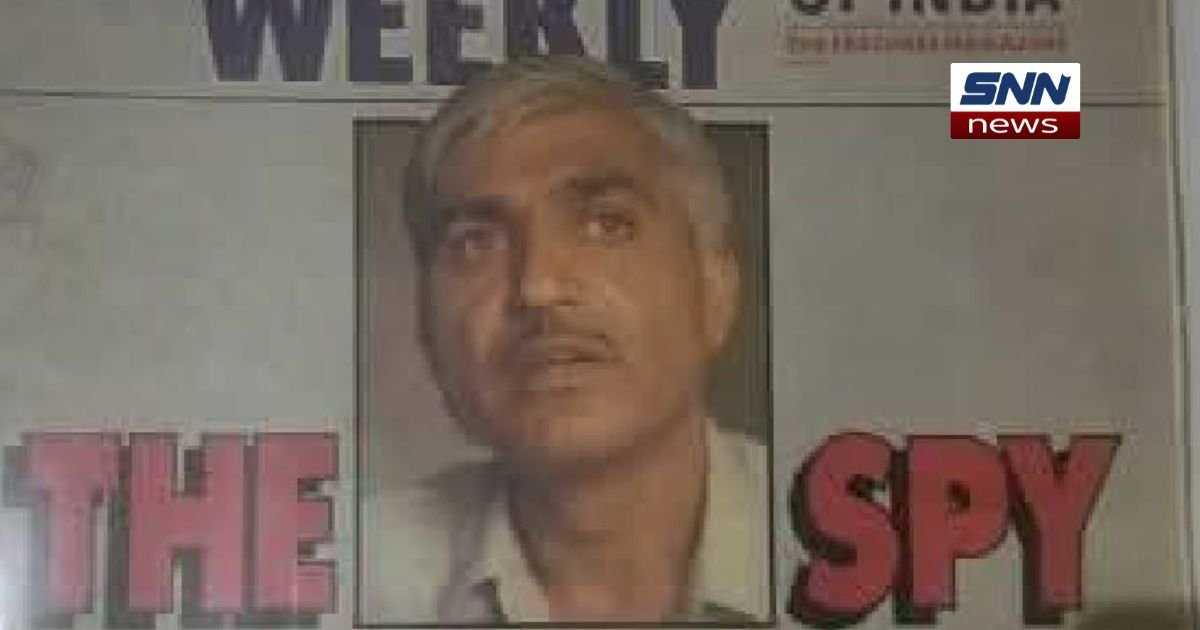
Roshan Lal Jalla, an Indian intelligence operative whose life was shaped by secrecy, sacrifice, and prolonged imprisonment, remains one of the lesser-known figures in South Asia’s espionage history. Often described as
“the spy who came in from the cold,” Jalla spent more than 15 years in a Pakistani prison after being arrested during an intelligence mission.
Despite his years of service to India, his return in the late 1980s was marked not by recognition or support, but by neglect. He died in 2021, largely forgotten by the state he once served.
Who Was Roshan Lal Jalla
Roshan Lal Jalla was reportedly recruited by Indian intelligence during a period of heightened tension between India and Pakistan, when covert operations played a significant role in national security strategies.
Like many operatives of his time, his work was conducted in deep secrecy, with little public acknowledgment even within official circles.
His mission details were never fully disclosed, but multiple accounts indicate that he was captured in Pakistan and subsequently sentenced to a long prison term. For over a decade and a half, Jalla remained incarcerated, cut off from family life and the country he believed he was serving.
Arrest and Long Imprisonment in Pakistan
Jalla’s arrest led to more than 15 years in Pakistani custody, a period marked by isolation and hardship. Former prisoners and analysts familiar with cross-border espionage cases note that such detainees often face harsh conditions, limited legal recourse, and prolonged uncertainty.
During this time:
- Diplomatic relations between India and Pakistan remained strained
- Prisoner exchanges were rare and politically sensitive
- Intelligence operatives were rarely acknowledged publicly
Jalla’s case, like many others, remained largely out of public view, discussed quietly within diplomatic and security circles.
Return to India and Absence of State Support
In the late 1980s, Roshan Lal Jalla was finally released and returned to India. For many former intelligence operatives, such a return marks the beginning of rehabilitation and state assistance. In Jalla’s case, however, that support reportedly never materialized.
According to accounts shared by journalists and researchers, Jalla received little to no institutional help, financial assistance, or public recognition. Unlike soldiers who serve openly, intelligence operatives often fall into a gray area, where their contributions remain classified and their sacrifices unacknowledged.
This lack of support reportedly affected:
- His financial stability
- Access to healthcare
- Social reintegration
- Mental and emotional well-being
Life in Obscurity
After his return, Jalla lived a quiet and difficult life. With no formal recognition of his service and limited resources, he gradually faded from public memory. Former intelligence officials have acknowledged that such outcomes are not uncommon, as covert operatives are often excluded from veteran benefits and public honors.
Experts on national security ethics argue that this raises serious questions about how states treat individuals who undertake high-risk assignments in secrecy, often with assurances that are never formally documented.
Death in 2021 and Renewed Attention
Roshan Lal Jalla passed away in 2021, his death drawing renewed attention to his story through independent journalists and commentators. Many described his fate as a tragic end for someone who had sacrificed personal freedom, family life, and years of his existence for his country.
His story has since been cited in discussions about:
- Moral responsibility toward intelligence operatives
- Transparency in post-service care
- The human cost of espionage
- Institutional accountability
Broader Context: Intelligence Work and Accountability
Across the world, intelligence agencies rely on secrecy as a core principle. While this protects national interests, it often leaves operatives vulnerable once their usefulness ends. Analysts note that countries including India face ongoing challenges in balancing secrecy with ethical responsibility.
Key concerns include:
- Lack of legal frameworks for post-service welfare
- Absence of public acknowledgment mechanisms
- Psychological trauma after long-term detention
- Financial insecurity for former operatives
Jalla’s life is increasingly seen as a case study highlighting these systemic gaps.
Public Impact and Ongoing Debate
Roshan Lal Jalla’s story has sparked debate among policymakers, journalists, and civil society groups in India. Many argue that honoring such individuals does not require revealing sensitive details, but rather ensuring dignity, care, and recognition after service.
As India continues to modernize its security and intelligence structures, voices are growing louder in calling for reforms that protect those who operate in silence.
A Life of Sacrifice, Largely Unrecognized
Roshan Lal Jalla’s life reflects the unseen side of national security—where loyalty is absolute, risks are immense, and recognition is uncertain.
His death in obscurity stands as a reminder that behind geopolitical strategies are individuals whose sacrifices often remain hidden long after their missions end.
After sacrificing 15 years of his life in a foreign prison, Roshan Lal Jalla returned to a homeland that barely remembered him.
About The Author