
By Rifat Kahlun
Scandinavian news Finland
One of the United Kingdom’s most significant child sexual exploitation (CSE) cases the Rochdale grooming gang prosecutions continues to shape British law, policy, and public debate more than a decade after the first convictions.
The case exposed systemic failures by authorities and prompted sweeping national inquiries into the scale of organised child abuse across England.
The Rochdale Grooming Gang: What Happened
Between 2008 and 2010, a organised network of men in Rochdale, Greater Manchester, systematically targeted vulnerable young girls some as young as 13 subjecting them to sexual exploitation, supplying them with alcohol and drugs, and using blackmail and coercion to maintain control over their victims.
The gang operated primarily around takeaway food outlets in Rochdale town centre, using these locations to identify and groom underage girls who were often already in difficult home circumstances.
2012 Trial and Convictions
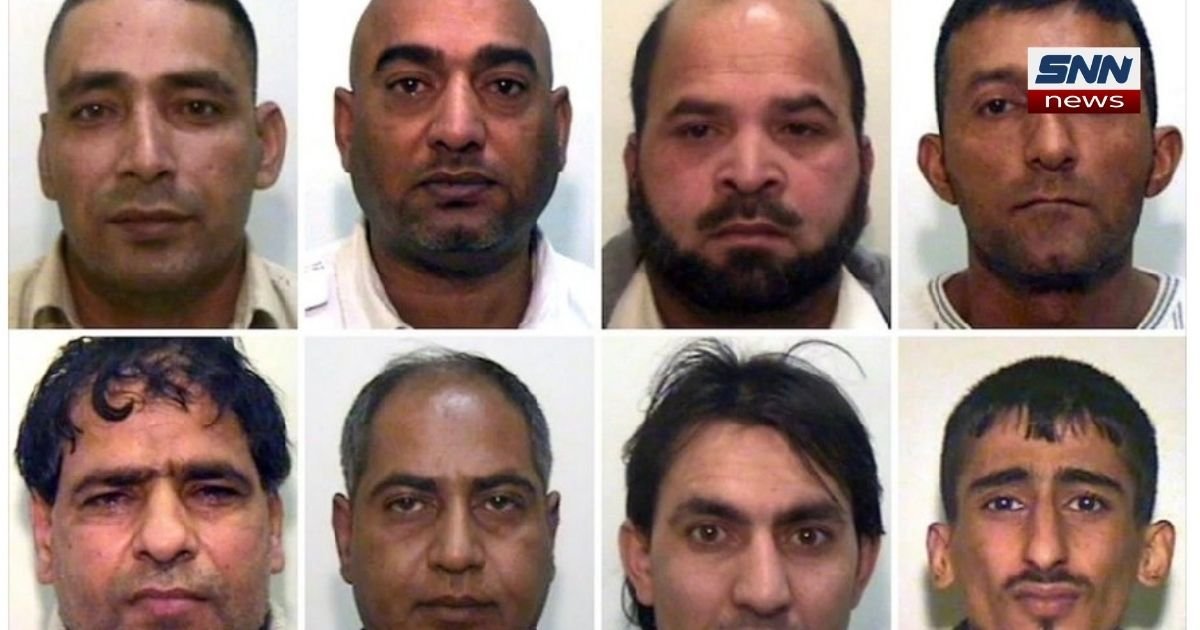
In May 2012, nine men were convicted at Liverpool Crown Court following Operation Retriever, led by Greater Manchester Police.
The convictions included charges of rape, trafficking, and conspiracy to engage in sexual activity with a child.
Key convicted individuals included:
- Shabir Ahmed (age 59 at time of trial) ringleader, convicted on 30 counts including rape of a child. Sentenced to 22 years.
- Abdul Aziz, Adil Khan, Abdul Rauf, Mohammed Sajid, Hamid Safi, Abdul Qayyum, Mohammed Amin, and Kabeer Hassan all received custodial sentences ranging from 5 to 9 years.
Several of the convicted men held British citizenship; the majority were of Pakistani heritage. The Home Office subsequently initiated deportation proceedings against those who were not British nationals.
Failures by Authorities: The Jay Report and IICSA
The Rochdale case became a focal point of the Independent Inquiry into Child Sexual Abuse (IICSA), a statutory inquiry established in 2015 to examine how institutions across England and Wales had handled CSE cases.
In its findings, the inquiry documented that:
- Police and social services received multiple reports from victims as early as 2008 but failed to act adequately.
- Victims were often treated as willing participants rather than as children being exploited.
- Institutional reluctance to investigate partly attributed to fears of being seen as racially discriminatory contributed to delays in prosecution.
- Rochdale
The Jay Report (2014), authored by Professor Alexis Jay and focused on Rotherham but relevant to Rochdale, estimated that at least 1,400 children were abused in Rotherham alone between 1997 and 2013 a figure that underscored the nationwide scale of the problem.
Political and Policy Response
The Rochdale convictions triggered significant legislative and institutional change in the UK:
- The Child Grooming Act provisions were strengthened under the Serious Crime Act 2015.
- Police forces across England were directed to review historic CSE cases.
- The Home Affairs Select Committee launched multiple inquiries into grooming gang networks.
- In 2024, Prime Minister Rishi Sunak and later Keir Starmer’s government faced renewed pressure to commission a national inquiry specifically into grooming gangs, with cross-party debate intensifying through 2025 and into 2026.
- Rochdale
Where the Convicted Are Now
Several of those convicted in the 2012 trial have served their sentences and been released.
Shabir Ahmed, the ringleader, remained imprisoned as of 2024 after receiving an extended sentence following additional convictions.
Deportation proceedings were contested in the courts by some individuals who challenged removal on human rights grounds.
The outcomes varied on a case-by-case basis, with several appeals ongoing in the UK immigration tribunal system.
Broader Context: CSE and Grooming Gang Networks in the UK
The Rochdale case was one of several high-profile prosecutions involving organised grooming networks in English towns including Rotherham, Telford, Huddersfield, Oxford, and Newcastle.
Investigations across these regions collectively resulted in hundreds of convictions.
Law enforcement agencies including the National Crime Agency (NCA) have since expanded resources dedicated to child sexual exploitation, with Operation Stovewood focused on Rotherham described as one of the largest child abuse investigations in UK history.
“/rochdale-grooming-gang-convictions-inquiry-findings”>Rochdale Grooming Gang: Convictions, IICSA Inquiry Findings and UK Reforms
About The Author