
By Riffat Kausar
Snn News Finland
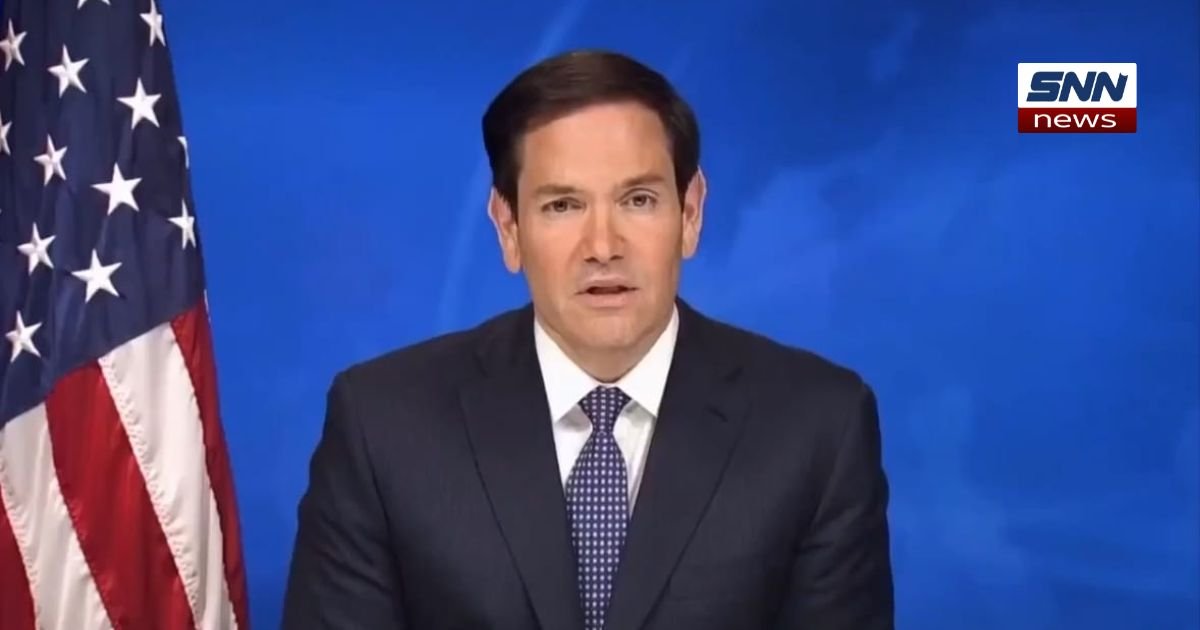
HELSINKI, FINLAND A viral claim that Secretary of State Marco Rubio Israel”officially declared” anyone who criticizes Israel would be barred from entering the United States is not accurate as stated, according to fact-checkers, though Rubio’s real visa policies have still drawn sustained criticism over free speech.
The confusion stems from a widely shared social media post attributing a blanket entry ban to Rubio. Independent fact-checkers who reviewed the underlying video found Rubio Israel never made that specific claim.
What Rubio Actually Said
In the video circulated online, Rubio described a new visa policy meant to prevent foreign nationals from coming to the US to “foment hatred” against the Jewish community. He did not state that criticizing Israel itself would trigger a visa denial.
The real policy is narrower but still significant. The State Department has been screening the social media accounts of student visa applicants, and Rubio Israel has said his office revoked visas for people it links to support for Hamas or antisemitic harassment, focused largely on participants in campus protests over the war in Gaza.
One high-profile case involved a Tufts University doctoral student detained after co-writing an opinion piece critical of the school’s stance on Gaza; a judge later ordered her release. Rights groups have argued such actions blur the line between targeting genuine threats and punishing political speech.
Key Facts
- No verified record shows Rubio issuing a blanket ban on entry for Israel critics; that specific framing has been fact-checked as false.
- The State Department has confirmed screening of student visa applicants’ social media for antisemitism-related concerns.
- Rubio has said thousands of visas were revoked, mostly linked to pro-Palestinian campus activism.
- Vance’s Munich Security Conference speech (14 February 2025) criticized European speech restrictions and migration policy.
- German officials pushed back sharply, with the country’s defense minister saying Vance’s comparison did not reflect the democracy she serves and calling it unacceptable.
- Rubio Israel
FAQs:
Did Marco Rubio ban all critics of Israel from entering the US?
No. Fact-checkers found no official declaration to that effect; the actual policy targets narrower categories tied to alleged antisemitism or terror-linked activity.
What visa policy did Rubio Israel actually introduce?
Enhanced social media screening for student visa applicants and revocation of visas for people the State Department links to Hamas support or antisemitic conduct.
What did JD Vance say about free speech in Europe?
At the Munich Security Conference in February 2025, Vance said free speech was “in retreat” across Europe, citing arrests and prosecutions he called examples of censorship.
Is there an official contradiction between Rubio Israel and Vance’s positions?
No single official statement links the two directly; the comparison is a critique raised by commentators about consistency in the administration’s free speech stance.
Rubio Israel Visa Policy Draws Comparisons to Vance’s Free Speech Remarks
Critics have pointed to an apparent contradiction with Vice President JD Vance, who used a February 2025 speech at the Munich Security Conference to accuse European governments of suppressing free speech.
Vance told the audience the “threat from within” not Russia or China was Europe’s retreat from values it shares with the US.
Vance cited examples including arrests near UK abortion-clinic buffer zones and a Swedish conviction over a public Quran burning.
German officials pushed back at the time, with the country’s defense minister calling the comparison to authoritarian states unacceptable.
The juxtaposition a US administration criticizing European speech restrictions while screening visa applicants’ social media for pro-Palestinian activism has become a recurring line of attack from commentators, including in the raw commentary that prompted this report.
It reflects a genuine policy tension rather than a single contradictory statement from either official.
The Rubio Israel visa dispute has become a flashpoint in wider debates over free speech and immigration policy on both sides of the Atlantic.
About The Author