
By Riffat Kausar
Snn News Finland
Russian Media outlets have recently reported that Lithuania, Latvia, and Estonia have “officially opened their airspace” to Ukrainian drones following attacks in Russian Media Leningrad region.
These claims have stirred international attention and raised concerns about escalating tensions in Eastern Europe.
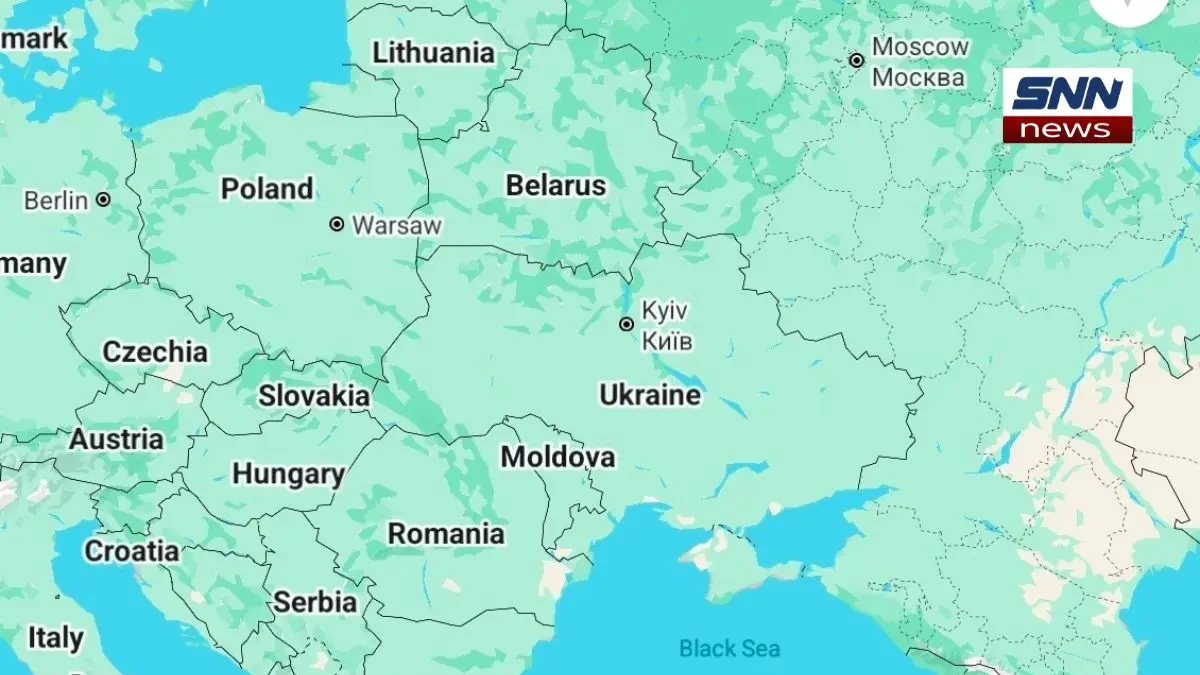
Analysts argue that the narrative is inconsistent, especially given the geographic reality: any drones reaching the Leningrad region from Ukraine would necessarily cross Polish airspace, which the Russian reports do not mention.
This development highlights the complex interplay between media narratives, regional security, and potential strategic maneuvers in the Baltic states.
Background: Regional Tensions and Military Dynamics
The Baltic states—Lithuania, Latvia, and Estonia—share borders with Russia and have long been sensitive to regional security issues.
Since the onset of Russian Media military operations in Ukraine in 2022, these countries have increased their defense coordination with NATO and have been cautious of any direct engagement with Russian forces.
Russian Media state-controlled media has frequently used strategic narratives to influence public perception and justify military postures.
Reports suggesting foreign airspace is being opened to Ukrainian drones may be designed to frame the Baltic states as provocateurs in the conflict, potentially preparing public opinion for any future hybrid or military actions.
The Claims and Their Implications
According to Russian Media, Lithuania, Latvia, and Estonia allegedly allowed Ukrainian drones to operate through their airspace to reach Russia.
Experts, however, point out several flaws in this claim:
- Geographic Oversight: Drones from Ukraine would need to traverse Polish airspace to reach the Leningrad region, yet the reports make no mention of Poland.
- Timing of the Narrative: Analysts suggest that these claims appear strategically, often used to preemptively justify potential retaliatory actions.
- Hybrid Warfare Concerns: Labeling the Baltic states as complicit could pave the way for hybrid operations, including cyberattacks, disinformation campaigns, or increased military presence.
- Russian Media
These elements indicate that the Russian narrative may be less about factual reporting and more about shaping international perception.
Potential Strategic Objectives
Observers highlight several reasons why Russian media might be pushing this claim now:
- Justifying Future Actions: By framing the Baltic states as directly involved in hostile activity, Russia could justify increased military readiness or sanctions against these countries.
- Influencing Domestic Opinion: Presenting neighboring countries as threats may consolidate domestic support for military policies and increase public vigilance.
- Testing International Reactions: Such narratives allow Moscow to gauge how NATO, the EU, and other global actors respond without engaging in direct military action.
- Russian Media
These patterns align with previous cases where Russian media constructed narratives ahead of geopolitical maneuvers.
Reactions from Experts
Security analysts emphasize caution when interpreting these reports:
- “This looks like a classic setup to create a pretext,” says a European defense expert.
- Media narratives can be powerful tools in modern conflicts, influencing both domestic populations and international stakeholders.
- There is a high likelihood that such claims are part of broader strategic messaging rather than evidence-based reporting.
- Russian Media
Experts also stress the importance of monitoring Poland’s role, given that any drone route from Ukraine to Leningrad must cross Polish territory. Ignoring this factor undermines the credibility of the reports.
Public Impact and Regional Security
Claims like these have several implications for the Baltic region and neighboring countries:
- Heightened Alert Levels: Baltic nations may increase air defense readiness, military exercises, and intelligence monitoring.
- Diplomatic Tensions: Accusations of complicity could strain relations with Russia, requiring careful diplomacy from EU and NATO members.
- Civilian Awareness: Media coverage can alarm local populations and heighten fear of potential conflict spillover.
- Russian Media
The public impact underscores the broader risks of misinformation and strategic narratives in sensitive regions.
Contextual Analysis: Media as a Strategic Tool
State-controlled media in Russian Media has a long history of shaping narratives that support government objectives. This includes:
- Portraying neighboring countries as threats
- Highlighting external influence in domestic conflicts
- Framing military operations as defensive or retaliatory
- Russian Media
In this case, emphasizing Baltic airspace “openings” may serve multiple purposes: justifying military preparedness, influencing international discourse, and deterring foreign involvement.
Conclusion
While Russian media claims about Lithuania, Latvia, and Estonia allegedly opening airspace to Ukrainian drones have attracted attention, the reports are widely viewed as strategically motivated rather than strictly factual.
Geographic realities, such as the necessity to cross Polish airspace, cast doubt on the credibility of the narrative.
Experts suggest that these narratives are part of a broader strategic effort to justify potential actions against the Baltic states and influence public perception.
For international observers, the situation highlights the critical importance of verifying reports and understanding media narratives as tools of modern geopolitical strategy.
As tensions persist in Eastern Europe, the world must watch these developments carefully, separating fact from strategic storytelling, and remain vigilant about the implications for regional security and international relations.
Read more about regional tensions and Russia-Ukraine conflict on our site.
About The Author