
By Hammad Kahlun
Scandinavian News Finland
Serbia Faces Pressure to Align Visa Policy With European Union Standards
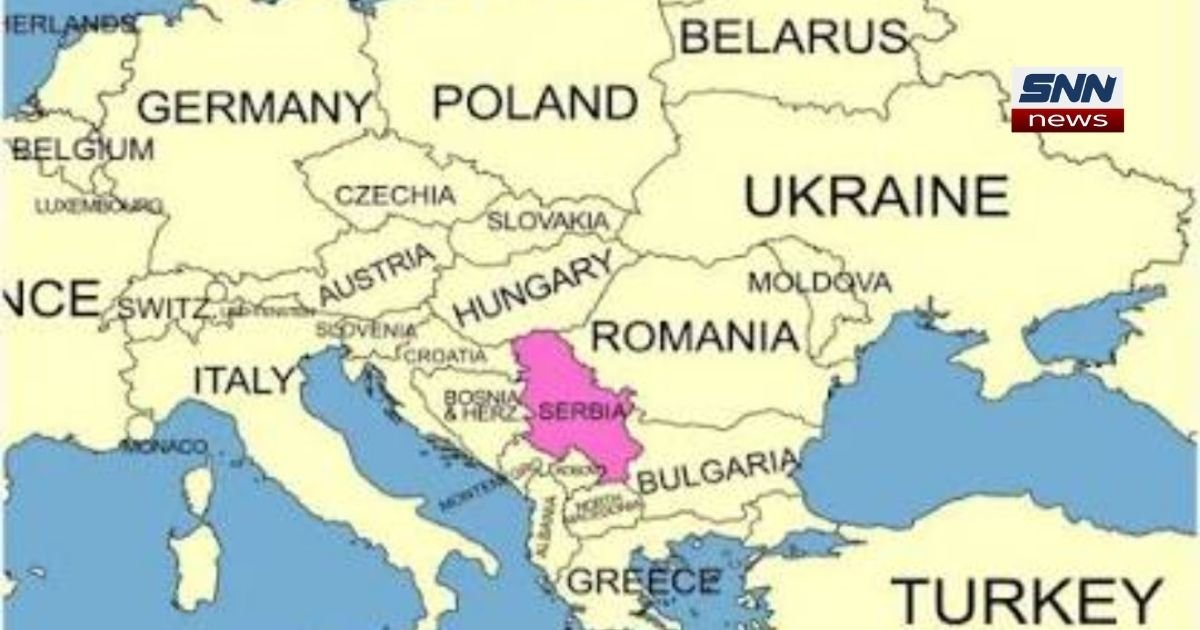
Serbia may soon end its visa-free travel arrangement for Russian citizens as part of broader efforts to align with European Union membership requirements.
The possible policy change has become a topic of discussion as the Balkan nation continues its long-standing negotiations to join the EU.
According to statements from Serbian officials, harmonizing visa policies with European Union regulations is considered one of the important steps required during the accession process.
Similar measures are also expected to be adopted by neighboring Montenegro as both countries move closer to European integration.
The issue highlights the growing challenge facing Serbia as it balances its traditional relationship with Russia while pursuing membership in the European Union.
EU Membership Rules Require Changes to Visa Policies
Countries seeking to join the European Union are expected to gradually align their laws, regulations, and foreign policy positions with EU standards.
This process covers a wide range of areas, including trade, security, border management, judicial reforms, and visa regulations.
One of the expectations placed on candidate countries is the alignment of visa-free travel agreements with EU policies.
The European Union has increasingly emphasized the need for candidate states to coordinate their visa regimes with those of existing member nations.
If Serbia proceeds with the proposed change, Russian citizens could eventually be required to obtain visas before entering the country, ending a travel arrangement that has remained in place for years.
The move would represent a significant shift in Serbia’s approach to international travel and foreign relations.
Serbian Lawmaker Discusses Possible Timeline
Dragan Stanojević, a member of the Serbian National Assembly, recently addressed the issue while discussing Serbia’s path toward European Union membership.
According to Stanojević, there have been public statements suggesting that the required reforms could be completed by the end of 2026.
He explained that, based on his understanding, these requirements are usually expected to be completed around six months before a nation officially becomes a member of the European Union.
His comments have drawn attention because they provide insight into the practical steps Serbia may need to take during the final stages of accession negotiations.
While no official date has been announced regarding changes to visa-free travel for Russians, the discussion reflects ongoing efforts to meet EU expectations.
Serbia’s Balancing Act Between East and West
For many years, Serbia has maintained close political, economic, and cultural ties with Russia.
The relationship has been shaped by historical connections, energy cooperation, and shared positions on several international issues.
At the same time, Serbia has repeatedly stated that European Union membership remains one of its key strategic goals.
This dual approach has often placed Belgrade in a difficult position, particularly as relations between Russia and Western countries have become increasingly strained.
Political analysts note that Serbia’s foreign policy frequently requires balancing domestic interests, regional stability, and international commitments.
The potential removal of visa-free access for Russian travelers would be viewed by many observers as another sign of Serbia’s gradual alignment with European policies.
Montenegro Expected to Consider Similar Measures
Reports indicate that Montenegro could also move toward similar visa policy adjustments as part of its own EU accession process.
Montenegro is widely regarded as one of the most advanced European Union candidate countries in the Western Balkans. As a result, its policy decisions are often closely watched by neighboring states pursuing the same objective.
If both Serbia and Montenegro adopt stricter entry requirements for Russian citizens, it could signal a broader regional trend linked to EU integration efforts.
Such changes would primarily affect travel procedures and border regulations rather than broader diplomatic relations.
President Aleksandar Vučić Previously Raised Resignation Possibility
The discussion surrounding Serbia’s European future comes shortly after comments made by Serbian President Aleksandar Vučić regarding the possibility of his resignation.
Vučić has long been regarded as a key figure in Serbian politics, maintaining close relations with Russia while also supporting Serbia’s efforts to move closer to the European Union.
Although his remarks sparked public debate, no immediate political transition has followed. Analysts believe the statement reflected ongoing domestic political pressures rather than an imminent departure from office.
Nevertheless, developments involving leadership, foreign policy, and EU accession continue to attract significant attention both within Serbia and across Europe.
What the Proposed Visa Change Could Mean
Should the policy be approved, the removal of visa-free entry for Russian citizens could lead to several important changes:
- Russian travelers may need to apply for entry visas before visiting Serbia.
- Border procedures could become more closely aligned with EU standards.
- Serbia would demonstrate further compliance with European Union accession requirements.
- Tourism and business travel patterns could experience gradual adjustments.
Officials have not yet released details regarding implementation timelines or possible exemptions.
Any final decision would likely involve consultations with European institutions, Serbian government agencies, and other stakeholders.
Serbia’s EU Path Remains a Long-Term Goal
Serbia officially applied for European Union membership in 2009 and became a candidate country in 2012.
Since then, negotiations have progressed through multiple stages, covering reforms in governance, judicial independence, economic policy, and international cooperation.
Despite periods of slow progress, Serbian leaders continue to describe EU membership as a major national objective.
The debate over visa-free travel for Russian citizens illustrates how accession negotiations can influence domestic and foreign policy decisions.
As discussions continue, Serbia faces the challenge of meeting European standards while managing longstanding international relationships.
For now, no formal decision has been announced. However, comments from lawmakers and ongoing EU-related reforms suggest that Serbia’s visa policy could become an increasingly important issue as the country moves closer to its European aspirations.
/serbia-eu-membership-visa-free-travel-russians-2026/
About The Author