
Stockholm Warns Actions Threaten Two-State Solution and International Law
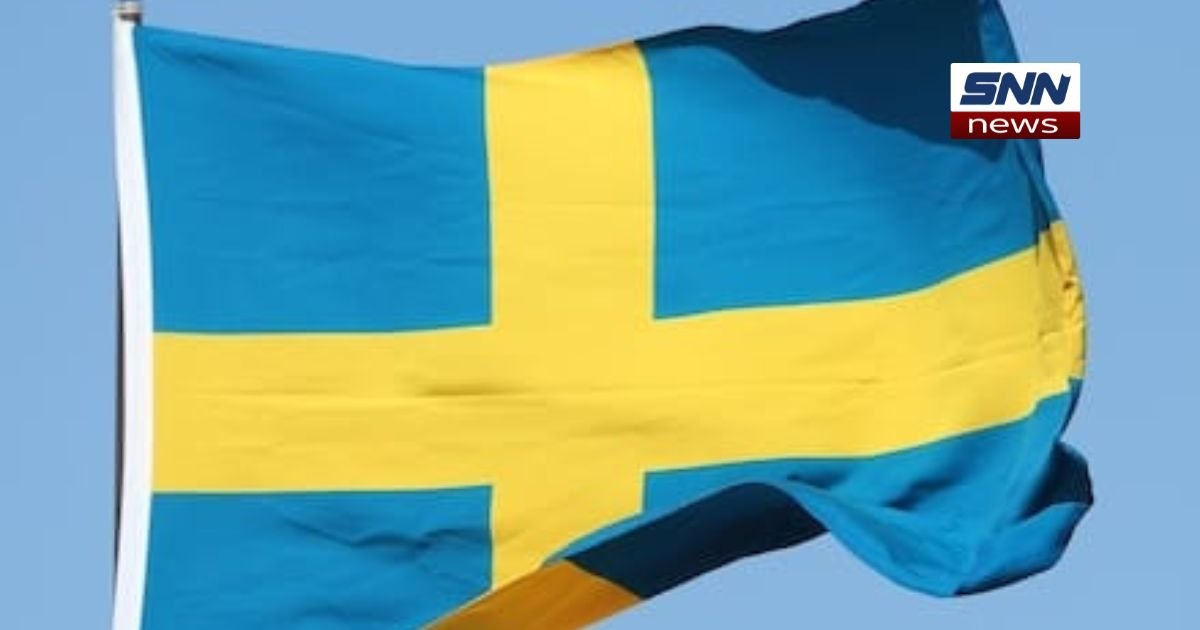
Stockholm / Jerusalem — Sweden has strongly criticized recent Israeli decisions that aim to increase control over the occupied West Bank, warning that such moves seriously undermine the prospects for a two-state solution and violate international law.
The Swedish government said these actions risk damaging already fragile peace efforts in the Middle East and called on Israel to refrain from implementing the decisions.
In an official statement, Sweden emphasized that any unilateral steps altering the status of the West Bank threaten long-standing international consensus and reduce the chances of achieving lasting peace between Israelis and Palestinians.
The statement reflects growing concern among European countries over developments on the ground that could further destabilize the region.
Clear Opposition to Unilateral Measures
Sweden made it clear that it views the recent Israeli measures as incompatible with international legal frameworks, including United Nations resolutions and international humanitarian law.
According to Sweden, increasing control over occupied territory weakens trust, escalates tensions, and moves both sides further away from meaningful negotiations.
The Swedish government urged Israel to reconsider its approach and instead take steps that support dialogue and de-escalation.
Officials stressed that peace can only be achieved through negotiations based on mutual recognition, respect for international law, and the legitimate rights of both peoples.
Impact on the Two-State Solution
At the center of Sweden’s concern is the future of the two-state solution, which envisions Israel and a future Palestinian state living side by side in peace and security.
Sweden warned that expanding Israeli control in the West Bank could make this solution practically impossible by fragmenting Palestinian territories and altering realities on the ground.
Key concerns highlighted by Sweden include:
- Further erosion of Palestinian territorial continuity
- Increased risk of violence and instability
- Reduced credibility of peace negotiations
- Long-term harm to regional security
- Israeli Moves
Sweden has consistently supported the two-state solution as the only viable path to ending the Israeli-Palestinian conflict and ensuring equal rights and security for both sides.
International Law and Occupied Territories
Under international law, the West Bank is widely regarded as occupied territory. Sweden reiterated that any actions taken by an occupying power must comply with international humanitarian law, particularly the Fourth Geneva Convention.
The Swedish position aligns with that of the United Nations and many international legal experts who argue that unilateral changes to occupied land are unlawful.
Sweden’s statement underscores the importance of respecting existing legal obligations and avoiding steps that could permanently alter the status of disputed territories before a negotiated settlement is reached.
Sweden’s Long-Standing Position
Sweden has a history of active engagement in Middle East peace efforts and was one of the first European Union countries to recognize the State of Palestine.
The country has consistently advocated for diplomacy, humanitarian support, and respect for international law in the region.
Swedish officials believe that strong and principled international responses are necessary to prevent further deterioration of the situation.
They argue that silence or inaction could be interpreted as acceptance of measures that weaken peace prospects.
Wider International Reactions
Sweden’s condemnation comes amid broader international concern over developments in the West Bank.
Several countries and international organizations have expressed similar worries, warning that unilateral actions risk fueling further conflict and undermining years of diplomatic efforts.
While reactions vary in tone and intensity, there is a shared emphasis on the need to preserve the possibility of a negotiated settlement.
Many international actors continue to call on both sides to avoid provocative actions and return to meaningful talks.
Public and Regional Implications
The situation in the West Bank has direct implications not only for Israelis and Palestinians but also for regional and global stability. Increased tensions can lead to:
- Heightened security risks in the region
- Humanitarian challenges for civilians
- Reduced confidence in international mediation efforts
- Israeli Moves
Sweden noted that continued instability could have long-term consequences beyond the immediate conflict, affecting neighboring countries and international relations.
Call for De-Escalation and Dialogue
In closing, Sweden urged Israel to halt the implementation of the contested decisions and instead work with international partners to revive diplomatic efforts.
The Swedish government reaffirmed its commitment to supporting initiatives that promote peace, human rights, and international law.
Sweden stressed that sustainable peace cannot be achieved through unilateral control or force, but only through negotiations that address the core issues of the conflict.
The country reiterated its readiness to contribute constructively to any renewed peace process aimed at achieving a just and lasting solution for both Israelis and Palestinians.
The United Nations has repeatedly stated that unilateral actions in occupied territories violate international law and undermine peace efforts.
About The Author