
By Hammad Kahlun
Scandinavian news Finland
German Media Renews Discussion Around Donald Trump’s Public Behavior and Mental Health Questions
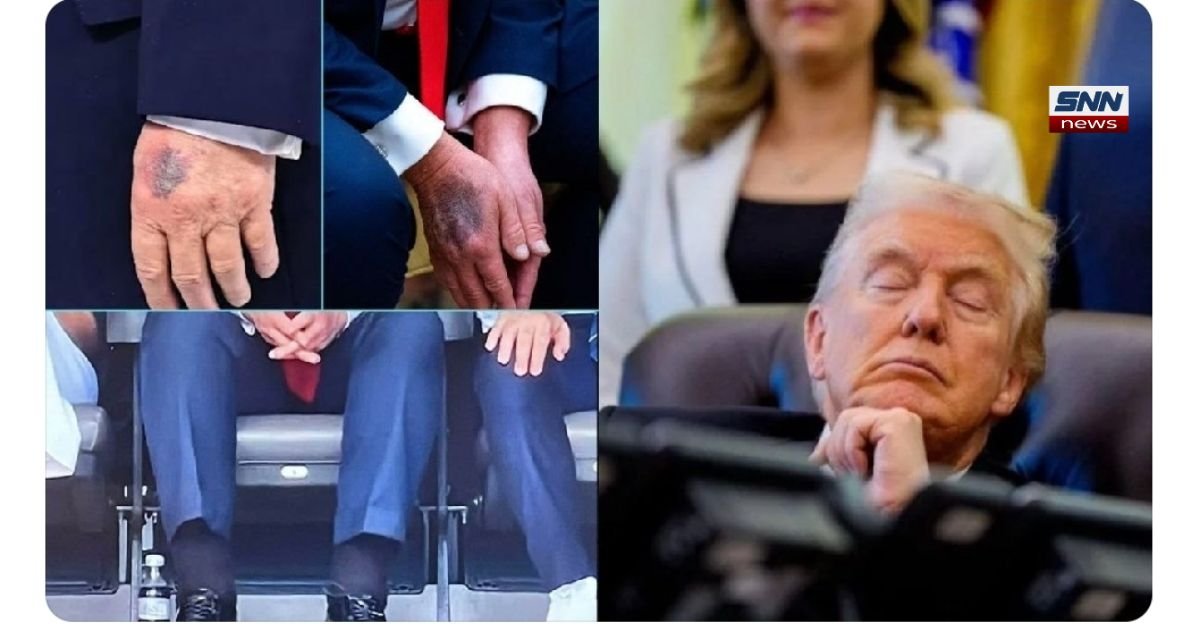
Public discussion about the behavior and mental condition of former U.S. President Donald Trump Mental Health has once again entered political and media debate in Europe, with German media revisiting questions about his public conduct, leadership style, and emotional responses during high-pressure situations.
A recent discussion highlighted by German newspaper Die Zeit has brought renewed attention to how mental health experts interpret the behavior of public leaders.
According to the report, several psychiatrists in Germany commented on Trump’s public appearances, communication style, and sudden changes in political positions.
The experts reportedly pointed to patterns including impulsive decision-making, abrupt shifts in tone, intense emotional reactions, and personality traits that, in their view, appear unusual in political leadership.
At the same time, the specialists also made one point clear: no formal psychiatric diagnosis can be made without a direct, personal clinical examination.
This distinction remains central to the debate, especially when discussing the mental health of high-profile political figures whose behavior is constantly analyzed through media coverage, campaign appearances, interviews, and social media posts.
Why Trump’s Behavior Is Being Discussed Again
Donald Trump has remained one of the most discussed political figures in global media. Even after his presidency, his public speeches, campaign rallies, legal battles, and political statements continue to generate international headlines.
In recent months, Trump’s speeches and public appearances have once again drawn attention from commentators, political analysts, and behavioral experts.
According to the German report, psychiatrists reviewing publicly available material noted several behavioral characteristics, including:
- Rapid shifts in emotional tone
- Strong self-focused communication patterns
- Highly energetic speaking style
- Sudden changes in political messaging
- Frequent confrontational language
- Mental Health
Some experts said these patterns could resemble behavior often discussed in psychiatric literature, including symptoms associated with manic episodes or narcissistic personality traits.
However, they also stressed that public observation alone is not enough to confirm any clinical condition.
Experts Warn Against Remote Diagnosis
One of the most important parts of the German discussion was the caution shown by the experts themselves.
Psychiatrists interviewed in the report emphasized that ethical medical standards prevent doctors from diagnosing public figures without direct examination, personal interviews, and complete medical history.
This principle is widely recognized in mental health professions and is often referred to in debates involving celebrities, political leaders, and public officials.
Mental health specialists generally require several factors before making an official diagnosis, including:
Clinical Requirements for Diagnosis
- In-person evaluation
- Medical history review
- Behavioral assessment over time
- Psychological testing if necessary
- Personal interviews and observation
Without these elements, experts say conclusions should remain professional opinions rather than formal medical judgments.
This approach helps protect both medical ethics and public understanding.
Political Leadership and Personality in Public Office
Questions about personality, temperament, and emotional stability are not new in politics.
Throughout modern history, voters, journalists, and researchers have examined the personal characteristics of leaders to better understand how they may respond during crises, negotiations, or national emergencies.
In Trump’s case, his leadership style has often divided opinion.
Supporters describe him as:
- Direct
- Confident
- Energetic
- Unfiltered
- Strong in confrontation
Critics, however, often describe his public behavior as:
- Impulsive
- Aggressive
- Emotionally reactive
- Unpredictable
- Highly self-centered
These different interpretations have made Trump a frequent subject of psychological and political analysis both inside the United States and internationally.
German Media’s Interest in U.S. Politics
German newspapers and political magazines have long followed American elections and presidential leadership.
As one of Europe’s largest economies and a key NATO partner, Germany closely watches political developments in Washington because U.S. leadership often affects global security, economic cooperation, trade policy, and international diplomacy.
Trump’s presidency had a significant impact on U.S.-European relations.
His administration frequently challenged traditional alliances, criticized NATO spending, and introduced new policies on trade, immigration, and foreign affairs.
Because of this history, German media continues to analyze Trump’s political return and possible future influence.
The renewed discussion about his behavior reflects both political interest and broader public curiosity about leadership psychology.
Mental Health Conversations in Politics Remain Sensitive
Mental health experts often warn that public discussions about psychological conditions can become misleading if not handled responsibly.
When media reports mention terms such as narcissism, mania, or personality disorders, professionals usually stress the importance of context and clinical accuracy.
Mental health conditions are complex and cannot be identified solely through speeches, interviews, or social media activity.
Specialists also warn that careless public speculation can increase stigma around mental illness and create confusion between medical conditions and political behavior.
Because of this, many experts support open discussion about leadership behavior while also respecting professional medical boundaries.
Public Reaction and Political Impact
Discussions about a political leader’s mental fitness can influence public opinion, election campaigns, and international media coverage.
For some voters, personality and emotional control are considered essential leadership qualities.
Others focus more on policy, economic performance, and political results rather than psychological analysis.
In Trump’s case, public reactions often remain deeply divided.
His critics argue that temperament matters in national leadership, especially in situations involving diplomacy, military decisions, or crisis management.
Supporters, however, often dismiss psychological criticism as politically motivated or media-driven.
This divide has kept Trump at the center of political debate for years.
A Debate Likely to Continue
As Trump remains an active political figure and possible future presidential candidate, international media attention is unlikely to decrease.
The recent German discussion reflects a broader global interest in how leadership style, public behavior, and personality traits shape political influence.
While psychiatrists may offer observations based on public conduct, experts continue to remind audiences of one important fact: no official diagnosis can be made without direct medical examination.
For now, the debate remains political, psychological, and highly public—yet medically unresolved.
/donald-trump-mental-health-debate-german-media-analysis-2026
About The Author