
By Riffat Kausar
SNN News Finland
Religious Rhetoric Sparks Debate Over Faith and Politics in the United States
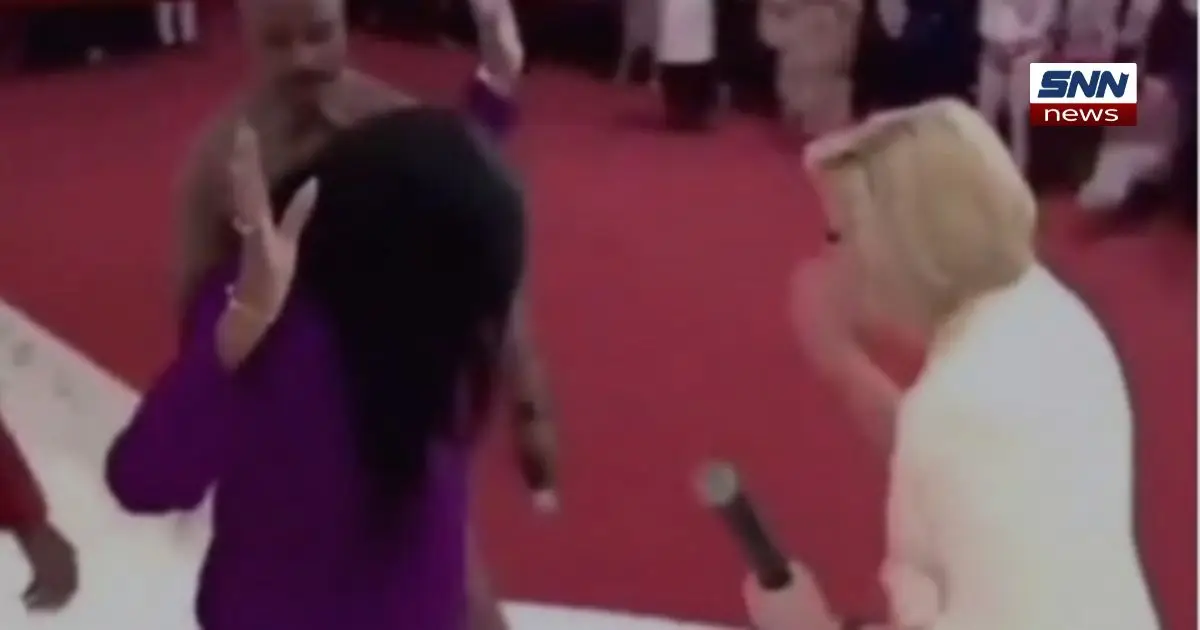
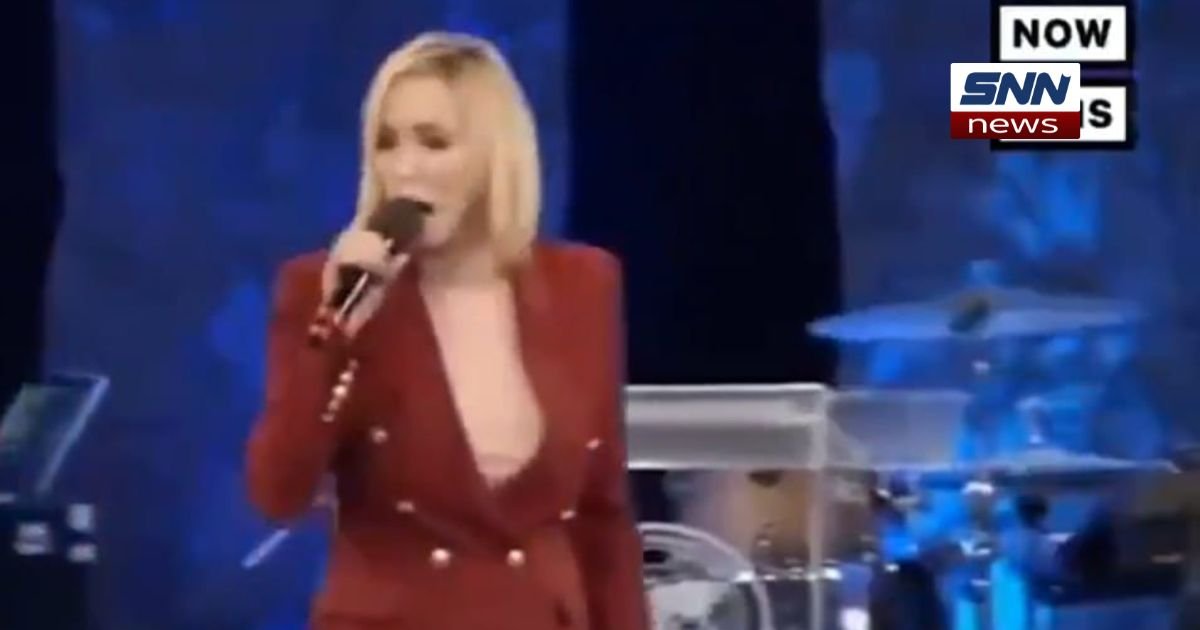
Paula White, a long-time spiritual adviser to former U.S. President Donald Trump, has once again ignited controversy after stating that saying no to President Trump would be equivalent to “saying no to God.”
The remarks have drawn widespread attention, raising serious questions about the growing intersection of religion, politics, and personal loyalty in American public life.
The statement, shared during a religious broadcast and later circulated widely on social media, has been criticized by religious scholars, political analysts, and civil rights advocates. Critics argue that such language blurs the line between personal faith and political authority, while supporters say it reflects deeply held religious beliefs.
Who Is Paula White?
Paula White is a well-known American televangelist and pastor who has been closely associated with Donald Trump for more than two decades. She played a prominent role during Trump’s presidency and later served as chair of the White House Faith and Opportunity Initiative, a position that aimed to strengthen ties between religious communities and the federal government.
White has frequently described Trump as a leader chosen by God, a claim that has resonated strongly with parts of the evangelical Christian base in the United States. Her sermons and public statements often mix religious messages with political support, making her one of the most influential religious figures aligned with Trump.
The Statement and Its Context
During her recent remarks, White suggested that opposing Trump was not merely a political disagreement but a spiritual rejection. By framing support for Trump as a matter of obedience to God, the statement elevated a political choice into a religious obligation.
The comments surfaced at a time when Trump remains a central figure in U.S. politics, particularly as debates continue around his influence on conservative voters, evangelical Christians, and the Republican Party. With upcoming elections and ongoing legal challenges surrounding Trump, such statements carry significant political weight.
Reaction From Religious Leaders and Experts
The response from religious leaders across denominations was swift and critical. Many faith leaders emphasized that no political leader should be equated with divine authority.
Several Christian theologians pointed out that Christianity does not teach blind loyalty to any individual leader. They warned that presenting political support as a test of faith can mislead followers and undermine the core principles of religious freedom and personal conscience.
Legal experts also raised concerns that such rhetoric could encourage political extremism by portraying disagreement as moral or spiritual failure rather than a normal part of democratic debate.
Political and Social Impact
Paula White’s comments highlight a broader trend in U.S. politics, where religious language is increasingly used to mobilize voters. Trump has consistently enjoyed strong backing from evangelical Christians, many of whom view him as a defender of religious values despite criticism of his personal conduct.
Supporters argue that Trump’s policies on issues such as abortion, religious liberty, and judicial appointments justify strong religious support. Opponents counter that merging faith with political loyalty risks weakening democratic institutions and excluding citizens who hold different beliefs.
Public opinion polls show that while Trump maintains loyal support among certain religious groups, a significant portion of Americans are uncomfortable with religious leaders endorsing political figures in absolute terms.
Concerns Over Democratic Values
Civil rights organizations have expressed alarm over statements that frame political opposition as sinful or ungodly. They warn that such narratives can deepen social divisions and discourage healthy political discourse.
Democracy relies on the ability of citizens to question leaders, criticize policies, and vote freely without moral pressure. When political choices are presented as religious commands, critics say it undermines individual freedom and the separation of church and state.
A Pattern of Controversial Claims
This is not the first time Paula White has made headlines for controversial statements. In the past, she has claimed that angels were involved in election outcomes and that spiritual forces influenced political events. Each time, her remarks have drawn scrutiny but also reinforced her standing among devoted followers.
Her close relationship with Trump continues to make her a powerful voice within conservative religious circles, especially during politically sensitive periods.
Broader Implications for U.S. Politics
The controversy surrounding White’s statement reflects a larger debate in American society: how much influence religious leaders should have in political decision-making. While faith has always played a role in U.S. public life, critics argue that equating political loyalty with divine approval crosses a dangerous line.
As the United States approaches future elections, analysts expect religious rhetoric to remain a key tool in mobilizing voters. Whether such strategies strengthen or weaken democratic values remains a subject of intense debate.
Conclusion
Paula White’s claim that rejecting Donald Trump is equivalent to rejecting God has once again placed the spotlight on the complex relationship between religion and politics in the United States. While the statement resonates with some believers, it has raised serious concerns about the misuse of faith for political influence.
The episode serves as a reminder of the importance of maintaining clear boundaries between personal belief, religious authority, and democratic choice—boundaries that many argue are essential for a healthy and inclusive society.
This controversy adds to the growing debate on how religious influence is shaping modern American politics and electoral narratives.
About The Author