
By Shumaila Aslam,
Scandinavian News Finland
Bureau Chief Pakistan
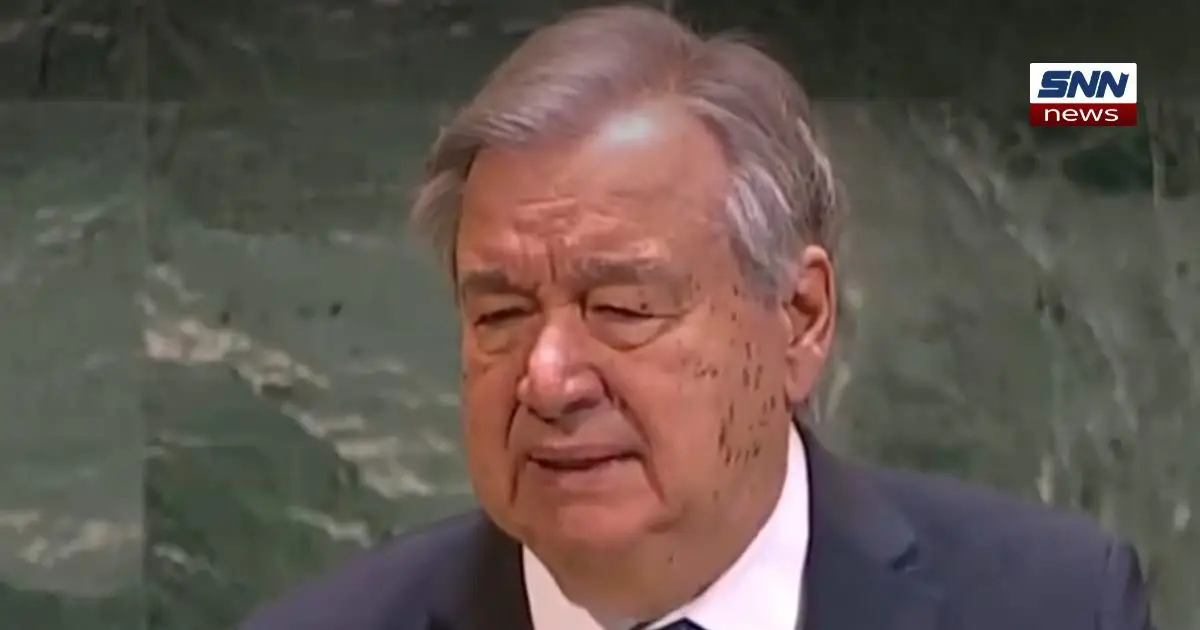
UN Secretary-General António Guterres issued a forceful appeal on Monday, urging technology companies worldwide to take responsibility in curbing the rise of anti-Muslim hate and bigotry on their platforms. Speaking at a virtual event focused on social cohesion and online safety,
Guterres emphasized that digital spaces should foster connection and understanding, not division and hostility.
“Technology should bring people together, not drive them apart,” the UN chief said, stressing the urgent need to address the growing trend of Islamophobia amplified through social media and online channels.
Rising Online Hate Against Muslims
In recent years, reports have documented a surge in anti-Muslim sentiment across digital platforms.
Hate speech, misinformation, and targeted harassment have increasingly targeted Muslim communities globally, often contributing to real-world discrimination and violence.
- A 2025 study by the Center for Countering Digital Hate found that anti-Muslim content grew by nearly 30% on major social media platforms over the past year.
- Online campaigns frequently exploit political events or crises to spread misinformation and fuel prejudice.
Guterres highlighted that unchecked online hate not only undermines social cohesion but also threatens fundamental human rights. “Every individual has the right to live free from discrimination and hate,” he noted.
Technology Companies’ Role
The UN Secretary-General called on tech giants—including social media platforms, messaging apps, and video-sharing services—to actively implement policies that detect, remove, and prevent hate speech. He emphasized that algorithms and recommendation systems, if left unchecked, can unintentionally amplify harmful content.
Key recommendations included:
- Strengthening moderation systems to identify and remove hate speech promptly.
- Enhancing transparency regarding content moderation decisions and algorithmic recommendations.
- Promoting inclusive content that highlights cultural understanding and interfaith dialogue.
“Technology has immense power,” Guterres said. “Companies must choose responsibility over profit when harmful content is involved.”
Historical and Global Context
Anti-Muslim discrimination is not a new phenomenon, but its scale and reach have intensified in the digital era. Social media has transformed how extremist narratives spread, enabling misinformation to cross borders within seconds.
Historically, Muslim communities have faced systemic challenges in various parts of the world, from employment discrimination to hate crimes. Experts warn that online hate speech often mirrors offline prejudice, creating a cycle of marginalization that can escalate into violence.
- In 2019, coordinated online attacks targeted mosques in Europe, leading to several arrests and heightened public awareness of digital Islamophobia.
- During the COVID-19 pandemic, misinformation falsely linking Muslims to virus spread fueled spikes in harassment and hate crimes in multiple countries.
Public Impact and Importance
Guterres’ message is a reminder that online platforms are not neutral spaces—they shape public discourse, influence societal attitudes, and can either protect or endanger vulnerable communities.
Civil society organizations and human rights groups have welcomed the UN’s call to action, arguing that accountability from technology companies is long overdue.
“The UN Secretary-General’s statement underscores the urgent need for systemic changes in how online content is managed,” said Fatima Al-Khatib, director of the Global Forum on Digital Rights. “We need proactive measures to prevent hate from spreading before it harms real communities.”
For ordinary users, these developments highlight the importance of digital literacy and responsible online behavior. Recognizing and reporting hate speech, supporting inclusive content, and questioning unverified information are all steps that can help combat online bigotry.
Moving Forward: Solutions and Cooperation
The UN chief also urged governments, civil society, and tech companies to collaborate in creating safer online environments. Proposed initiatives include:
- Joint task forces to monitor and counter hate speech globally.
- Educational campaigns promoting tolerance, understanding, and responsible internet use.
- Legal frameworks to hold platforms accountable while respecting freedom of expression.
Guterres concluded his address with a call to collective responsibility. “Protecting human dignity is not just a moral imperative it is a global necessity. Together, we can ensure that technology serves humanity, not hatred.”
As the digital landscape continues to expand, the UN Secretary-General’s appeal signals a growing international recognition of the dangers posed by online hate and the urgent need for coordinated solutions to protect vulnerable communities worldwide.
For more updates on global human rights and digital safety, visit our Human Rights section.
About The Author