
By Shumaila Aslam
Scandinavian News Finland
Bureau Chief Pakistan
Debate Over Palestine Rapporteur Dominates UN Human Rights Council Session
The 61st regular session of the UN Human Rights Council has formally begun in Geneva, drawing international attention as controversy grows over the future of the UN Special Rapporteur on the human rights conditions in the Palestinian territories
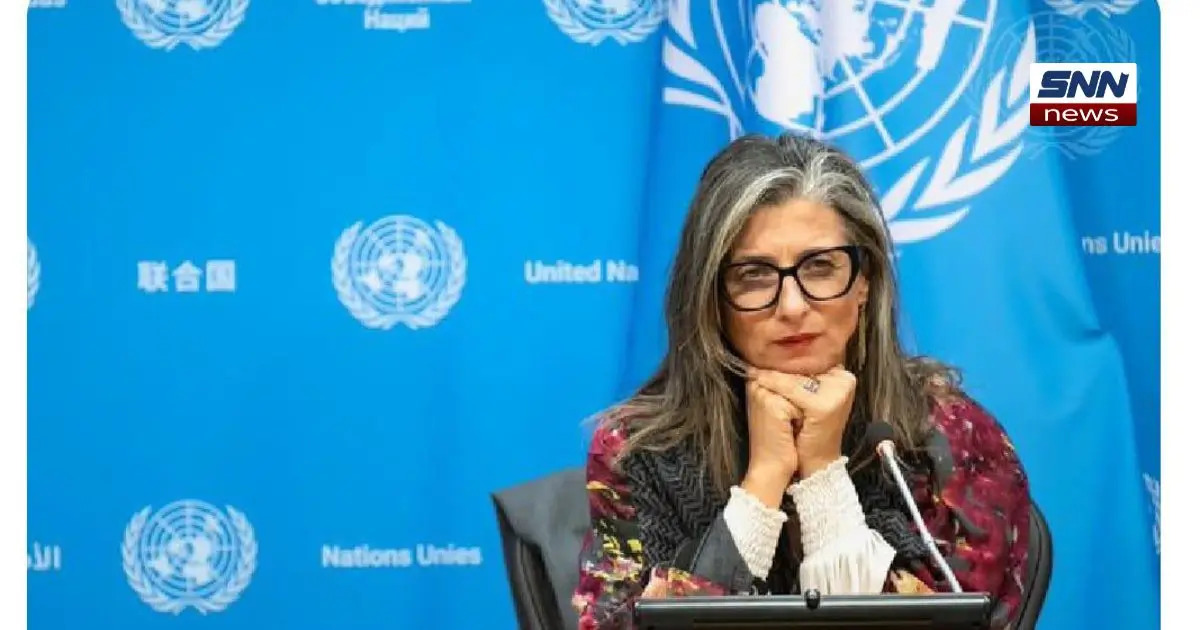
At the center of the debate is Francesca Albanese, whose recent public remarks have triggered strong reactions from several European countries.
Her position, mandate, and independence are now being openly questioned during one of the UN’s most closely watched human rights gatherings.
Controversy Following Remarks at Al Jazeera Forum
The dispute stems from statements Albanese made earlier this year at a forum organized by Al Jazeera in Qatar. During the discussion,
she addressed Israel’s actions in the occupied Palestinian territories using language that some governments described as unacceptable and politically charged.
Following those remarks, France, Germany, Austria, Italy, and Czechia jointly raised concerns about her role. These countries argue that her comments, including references to Israel as a “common enemy of humanity,” undermine the neutrality expected from a UN-appointed expert.
France Leads Call for Resignation
France took the lead in publicly demanding Albanese’s removal. French Foreign Minister Jean-Noël Barrot was the first senior official to openly call for her resignation.
He stated that France would formally raise the issue during the current session of the Human Rights Council.
French officials have argued that the Special Rapporteur’s statements cross the line between human rights reporting and political advocacy.
According to Paris, such language risks damaging the credibility of UN mechanisms and could weaken trust in the Council’s work.
Mandate and Appointment Background
Francesca Albanese was first appointed as UN Special Rapporteur on Palestine in 2022 for an initial three-year term. Her mandate focuses on monitoring, reporting, and advising on human rights conditions in the Palestinian territories occupied since 1967.
In April 2025, her mandate was renewed for an additional three years, reflecting continued support from a significant number of UN member states and civil society organizations.
Supporters argue that her work is firmly grounded in international law and UN resolutions, and that her assessments reflect documented findings rather than personal opinions.
Divided International Response
The controversy has exposed deep divisions within the international community. While several European governments have criticized Albanese’s language, others stress the importance of protecting the independence of Special Rapporteurs.
Human rights organizations warn that removing a UN expert over political pressure could set a dangerous precedent. They argue that Special Rapporteurs are expected to speak frankly, even when their findings are uncomfortable for powerful states.
Key concerns raised by critics and supporters include:
- Independence of UN experts: Whether political pressure threatens impartial reporting
- Freedom of expression: The right of rapporteurs to use strong language when addressing alleged violations
- Credibility of the UN system: Risks of undermining human rights mechanisms through politicization
- UN Human Rights
Broader Impact on the UN Human Rights Council
The debate comes at a sensitive time for the UN Human Rights Council, which is already under scrutiny over its effectiveness and impartiality. The Council’s ability to manage disagreements among member states while upholding human rights standards is being closely watched.
Diplomats in Geneva say the issue could influence future appointments and renewals of Special Rapporteurs, particularly on politically sensitive mandates. There are also concerns that prolonged controversy may distract the Council from addressing urgent human rights crises worldwide.
What Happens Next
At this stage, no formal vote on Albanese’s removal has been scheduled. Any decision would involve complex procedural steps and consultations among UN member states. The coming weeks of the Council’s session are expected to include intense behind-the-scenes negotiations.
For now, Francesca Albanese continues in her role, and her mandate remains valid. Whether the pressure from European governments will translate into concrete action remains uncertain.
Conclusion
The opening of the 61st UN Human Rights Council session has highlighted ongoing tensions over the role, language, and independence of UN human rights experts.
The case of Francesca Albanese reflects broader challenges facing the international human rights system, particularly when legal assessments intersect with deeply contested political conflicts.
As discussions continue in Geneva, the outcome of this dispute may have lasting implications for the credibility, autonomy, and future functioning of UN human rights mechanisms worldwide.
Read more updates on global human rights debates and key developments at the United Nations.
About The Author