
SHUMAILA ASLAM
Scandinavian News Agency
Bureau Chief Pakistan
Antarctica long dedicated to peace and science under one of the world’s most successful treaties — is facing a potential shift in influence as the United States scales back key research programs.
Experts warn that reduced American presence in Antarctic science could create an opening for China and Russia to expand their reach.
For over 60 years, scientific research has equated to geopolitical influence on the icy continent.
China now operates five permanent research stations, is planning a sixth, and last year overtook the US in the number of Antarctic research papers published. Russia, too, has been increasing its investment.
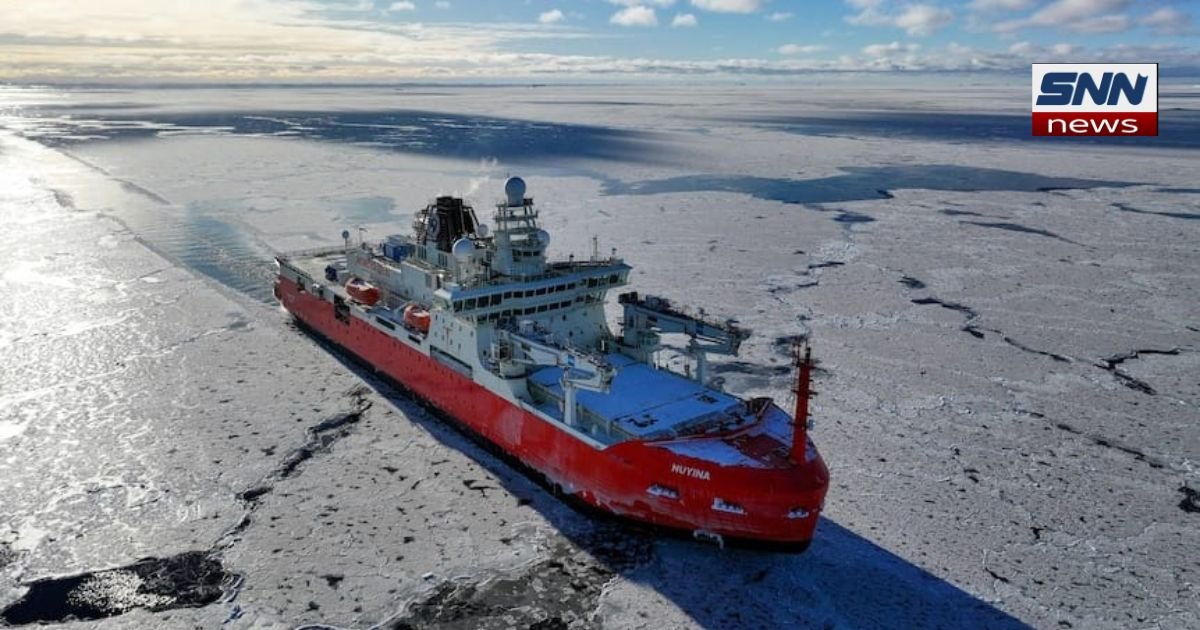
Australian scientists aboard the RSV Nuyina icebreaker recently navigated through sea ice toward the Denman Glacier, aware of both the pristine beauty of the region and the pressing need to protect it.
“The beauty of Antarctica is really it’s often seen as the bottom of the world, but it’s really the centre of the world,” said Professor Delphine Lannuzel of the Australian Antarctic Program Partnership.
With sea ice shrinking and ice shelves thinning, the world needs more Antarctic research than ever — yet production is in decline.
About The Author