
By Riffat Kausar,
SNN News Finland
Lebanon has announced the expulsion of Iran’s ambassador, marking a significant escalation in Middle Eastern diplomatic tensions.
The decision, made on [insert date], makes Lebanon the fourth Arab nation to take such action this week, following Saudi Arabia, Qatar, and the United Arab Emirates.
Why Lebanon Took This Step
Lebanon’s foreign ministry stated that the move is a response to “interference in internal affairs” and concerns over regional stability.
While official statements did not specify incidents, analysts say this aligns with a broader pattern of Arab states pushing back against Iran’s influence in the region.
- Saudi Arabia, Qatar, and the UAE expelled Iranian diplomats earlier this week.
- The coordinated timing suggests a unified stance among several Gulf and Levant nations.
- Lebanon’s decision adds weight due to its historical and strategic ties with both Arab states and Iran-backed groups.
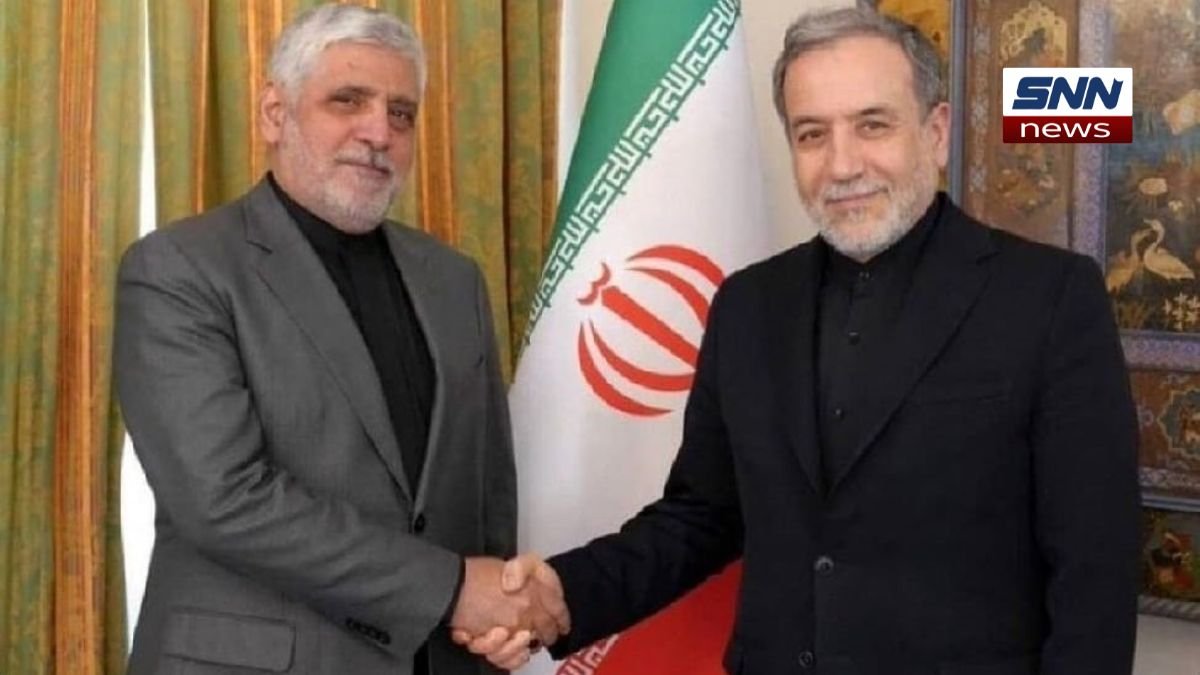
- Iranian Ambassador
Background: Iran’s Role in Lebanon
Iranian Ambassador has maintained a strong influence in Lebanon, primarily through its support for Hezbollah, a powerful political and military organization.
This backing has been a source of tension both within Lebanon and with neighboring Iranian Ambassador:
- Hezbollah’s presence has often complicated Lebanon’s domestic politics and security.
- Iran has also provided financial and military support to allied factions in Lebanon.
- Arab nations see this influence as destabilizing, particularly amid ongoing regional conflicts.
- Iranian Ambassador
Regional Context: Expulsions Across the Arab World
The recent diplomatic expulsions highlight growing concerns about Iran’s regional policies.
Experts note that these actions are part of a broader effort to curb Tehran’s influence:
- Saudi Arabia cited threats to national security and interference in Gulf affairs.
- Qatar emphasized protecting its sovereignty and maintaining regional stability.
- UAE focused on diplomatic norms and reducing external influence in domestic matters.
Lebanon’s decision mirrors this trend, signaling a shift in how Arab nations are willing to respond to perceived interference.
Implications for Lebanon and the Middle East
The expulsion is expected to have several political and economic consequences:
- Diplomatic Strain: Relations between Lebanon and Iran are likely to deteriorate, affecting cooperation on trade, aid, and regional initiatives.
- Internal Politics: Lebanon’s fragile political balance could be tested, as Iranian-backed groups may respond to the expulsion with protests or political maneuvers.
- Regional Security: Analysts warn that tensions could spill over into other parts of the Levant, increasing the risk of confrontations or proxy conflicts.
Experts say Lebanon’s move may also encourage other Arab nations to adopt similar measures if they perceive continued interference from Iranian Ambassador.
What This Means for the Public
For ordinary citizens in Lebanon and the wider Middle East, the expulsion is a reminder of the complex geopolitical landscape:
- Economic Impact: Lebanon, already facing severe economic challenges, may see changes in foreign aid or investment patterns.
- Security Concerns: Heightened tensions could affect daily life, especially in areas with active political factions or protests.
- Regional Relations: The expulsion could influence travel, trade, and diplomatic interactions with Iran and other Arab countries.
Expert Opinions
Political analysts note that Lebanon’s decision is both strategic and symbolic:
- Dr. Ahmad Al-Farouq, a Middle East policy expert, commented, “Lebanon is signaling that it will not tolerate external interference, aligning itself more closely with regional Arab powers.”
- Regional observers emphasize that this step could either stabilize Lebanon’s diplomatic standing or exacerbate internal divisions, depending on how Iran and local factions respond.
- Iranian Ambassador
Moving Forward
Lebanon’s foreign ministry has called for calm and engagement Iranian Ambassador to manage potential fallout.
While Iranian Ambassador has not issued a detailed response yet, observers expect Tehran to weigh options carefully, including recalling its diplomats or leveraging political allies within Lebanon.
This development comes at a time of heightened geopolitical tension in the Middle East, with multiple Arab states increasingly taking coordinated actions to assert sovereignty and counter external influence.
Lebanon’s expulsion of the Iranian ambassador underscores the growing complexity of regional diplomacy and the delicate balance nations must maintain between internal stability and external alliances.
Read more on Lebanon-Iran relations and Middle East diplomatic updates on SNN News Finland.
About The Author