
By Shumaila Aslam
Scandinavian News Finland
Bureau Chief Pakistan
A Controversial Death Raises Questions About Care, Justice, and Assisted Dying
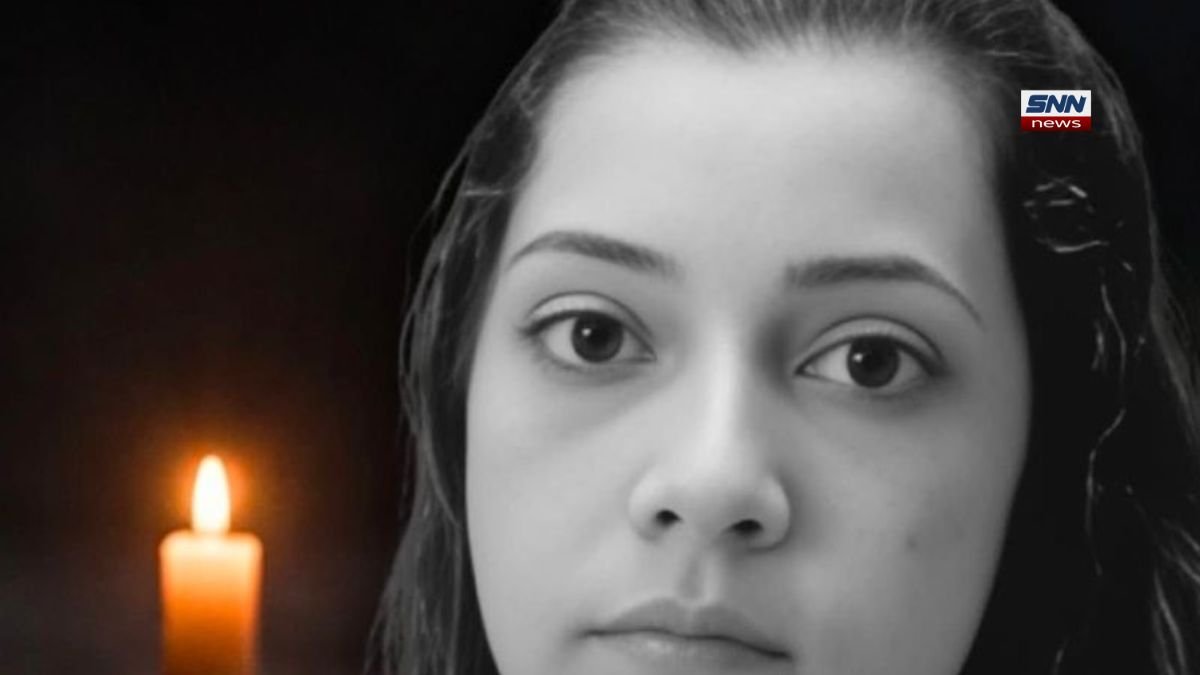
Noelia Castillo Ramos, a young woman from Spanish Euthanasia, died by euthanasia on Saturday at approximately 6:00 p.m.
Her death has ignited widespread debate about assisted suicide laws, the responsibility of state institutions, and the treatment of vulnerable individuals following traumatic events.
The case has drawn attention not only because of the circumstances surrounding her death, but also due to serious allegations about her past and concerns over whether adequate support was provided before she chose to end her life.
Background: Institutional Care and Reported Trauma
According to available reports, Noelia was placed in a state institution in 2022 due to family-related difficulties.
During her time there, she allegedly experienced a severe assault. Claims circulating online and in some media outlets suggest that she was the victim of a gang rape.
However, official confirmation and detailed findings from law enforcement or judicial authorities remain unclear at the time of reporting.
The reported incident, if verified, would represent a grave failure in institutional safeguarding.
Human rights advocates have emphasized that individuals placed under state care are entitled to protection, security, and dignity.
Following the alleged assault, Noelia reportedly experienced profound psychological distress. Observers say that her mental health deteriorated significantly in the months that followed.
Suicide Attempt and Lasting Injuries
Several months after the reported incident, Noelia attempted to take her own life by jumping from the fifth floor of a building. She survived the fall but sustained life-altering injuries, including paralysis.
This event marked a turning point in her life. From that moment, she required extensive medical care and long-term rehabilitation.
Paralysis not only limited her physical independence but also compounded the psychological trauma she had reportedly endured earlier.
Medical professionals often stress that individuals in such conditions require comprehensive support, including:
- Long-term psychological counseling
- Physical rehabilitation and mobility support
- Social reintegration programs
- Continuous mental health monitoring
- Spanish Euthanasia
The extent and quality of such support provided in Noelia’s case remain subjects of public discussion and scrutiny.
Assisted Suicide Decision
Spanish Euthanasia legalized euthanasia in 2021 under strict conditions, allowing individuals suffering from serious and incurable conditions to request assistance in ending their lives.
The law requires multiple evaluations, including medical and psychological assessments, to ensure that the decision is informed, voluntary, and consistent.
In Noelia’s case, authorities reportedly approved her request for euthanasia after due process.
However, critics argue that the broader context of her life — including alleged trauma and institutional failures — raises ethical concerns about whether assisted dying was an appropriate or premature outcome.
Supporters of euthanasia laws maintain that individuals have the right to choose death in cases of unbearable suffering.
Critics, however, caution that vulnerable individuals may feel pressured or abandoned if adequate care and justice are not provided.
Public Reaction at the Hospital
On the day of her death, a group of people gathered outside Hospital Residencia Sant Camil to express support for Noelia.
Witnesses described the atmosphere as emotional, with individuals calling for compassion, justice, and accountability.
Some supporters emphasized the importance of respecting her personal decision, while others questioned whether society had failed her before she reached that point.
The presence of demonstrators highlights the growing public interest in cases where assisted dying intersects with alleged trauma and systemic shortcomings.
Legal and Justice Concerns
One of the most troubling aspects of the case involves claims that those responsible for the alleged assault were never arrested.
At present, there is no publicly verified information confirming arrests, charges, or ongoing investigations related to the incident.
If accurate, this raises serious questions about law enforcement response and judicial accountability. Legal experts note that failure to investigate or prosecute such allegations can erode public trust and deny victims the justice they deserve.
Human rights organizations often stress that accountability is a key component of recovery for survivors of violence. Without it, trauma may deepen, and confidence in public institutions may decline.
Broader Ethical Debate on Euthanasia
Noelia’s death has intensified debate across Spanish Euthanasia and beyond regarding the ethical boundaries of euthanasia.
Key questions being raised include:
- Should assisted suicide be approved for individuals with trauma-related suffering?
- Did the system provide sufficient alternatives before approving euthanasia?
- How should states balance personal autonomy with duty of care?
- Spanish Euthanasia
Medical ethicists argue that while autonomy is essential, it must be accompanied by robust safeguards, particularly for individuals who have experienced violence or psychological trauma.
The Role of State Institutions
The case also places a spotlight on the responsibilities of state institutions. When individuals are placed under government care, authorities are expected to ensure their safety and well-being.
Failures in such systems can have long-term consequences, including:
- Physical harm or abuse
- Psychological trauma
- Loss of trust in public institutions
- Increased vulnerability to mental health crises
- Spanish Euthanasia
Calls are growing for transparent investigations into institutional practices, as well as reforms to improve oversight and protection mechanisms.
Impact on Public Policy and Society
The death of Noelia Castillo Ramos is likely to influence ongoing discussions about healthcare policy, mental health services, and legal accountability in Spanish Euthanasia.
Policy experts suggest that this case may lead to:
- Increased scrutiny of euthanasia approval processes
- Greater emphasis on mental health care and trauma recovery
- Renewed focus on institutional accountability
- Public debate on justice system effectiveness
- Spanish Euthanasia
For many observers, the case underscores the need for a holistic approach to care — one that addresses both physical and emotional suffering while ensuring justice and protection.
Conclusion
The death of Noelia Castillo Ramos has become a focal point for complex and sensitive issues, including assisted dying, institutional responsibility, and justice for victims of violence.
While her decision was legally sanctioned under Spanish Euthanasia law, the circumstances leading up to it continue to raise difficult questions.
For more updates on global human rights issues and assisted dying laws, visit our detailed coverage on Spanish euthanasia and related cases.
About The Author