
By Riffat Kausar
Scandinavian News Agency
Israel Election: Netanyahu Faces Major Challenge as Voting Begins
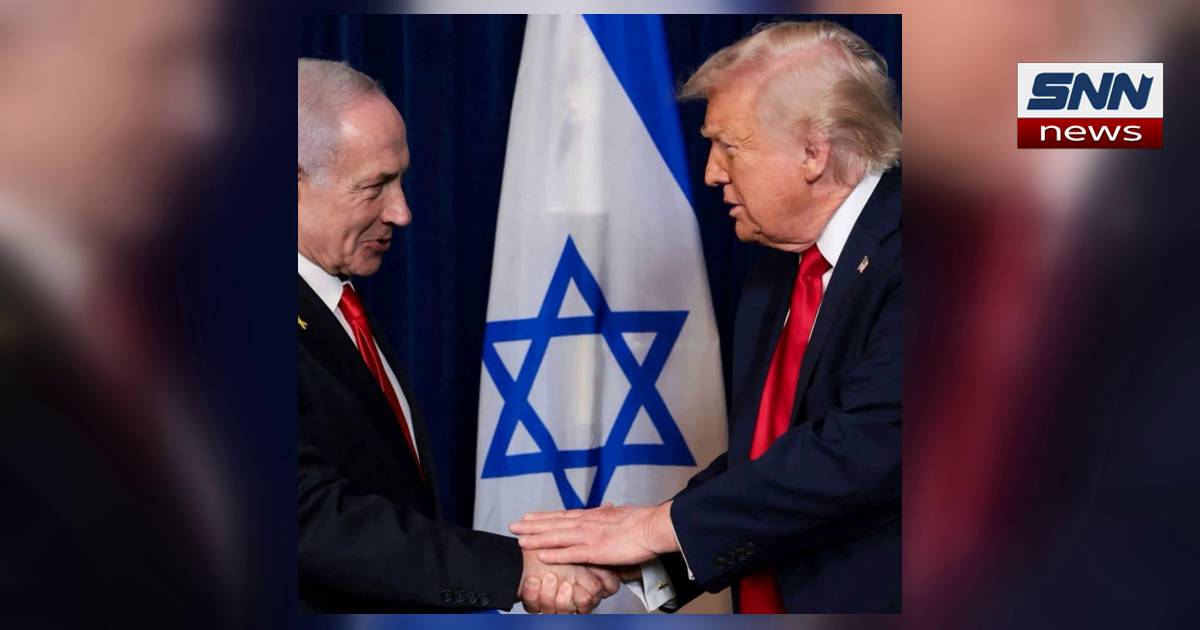
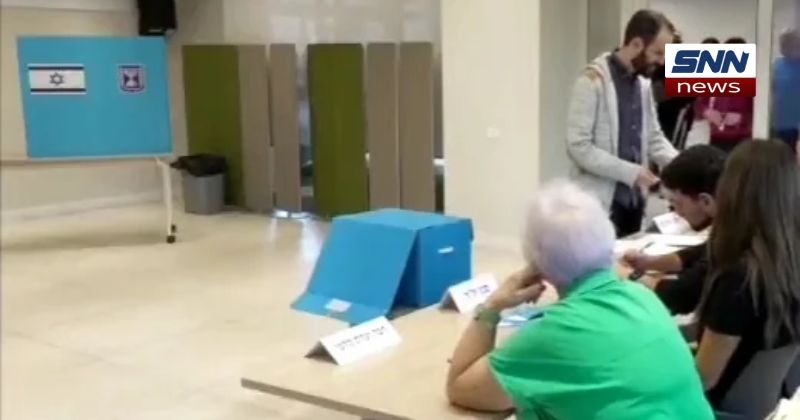
The Israel election opened on Tuesday, with voters choosing a new 120-member parliament in a closely contested race that could determine whether Prime Minister Benjamin Netanyahu remains in power.
The vote comes amid continuing debate over the Hamas-led attacks of 7 October 2023, Israel’s military campaigns, relations with Iran and growing international criticism.
More than 7.3 million people are eligible to vote, according to election information reported by Anadolu Agency. Polling stations opened at 7 a.m. local time and are scheduled to close at 10 p.m. The main contest pits Netanyahu’s Likud-led governing bloc against opposition forces, including Yashar, led by former military chief Gadi Eisenkot.
Neither side is assured of securing the 61 seats required for a parliamentary majority. As a result, negotiations between political parties could prove decisive in determining who forms the next government.
Israel Election: Netanyahu Faces a Tough Test
Netanyahu, Israel’s longest-serving prime minister, is seeking to maintain his political position after a period marked by war, security controversies and domestic divisions.
The 7 October 2023 attacks, led by Hamas, exposed major security failures and reshaped Israel’s political debate. Netanyahu’s critics have called for accountability over the attacks and questioned the government’s handling of the subsequent war in Gaza.
The prime minister and his allies have emphasised national security and their approach to threats facing Israel. Netanyahu has also highlighted his government’s efforts to confront regional adversaries.
According to Reuters’ election-day reporting, the contest is being shaped by public debate over security failures, wartime leadership and Israel’s future. The outcome will indicate how voters assess the government’s record during one of the country’s most turbulent periods in recent years.
Gadi Eisenkot Leads the Opposition Challenge
Former Israel Defense Forces chief of staff Gadi Eisenkot has emerged as a leading challenger through his Yashar party and the wider opposition contest.
Eisenkot has criticised the government’s handling of the security failures surrounding the October 2023 attacks. He has also argued that Israel’s military campaign in Gaza has not achieved its stated objective of removing Hamas’s military and governing power.
The opposition’s challenge, however, faces its own difficulties. Israel’s political landscape includes several parties with different positions on security, religion, Palestinian statehood and domestic policy.
Even if Netanyahu’s bloc loses seats, opposition parties must still find enough parliamentary support to establish a government. Differences between potential partners could complicate negotiations after the results become clear.
Israel Election Results May Depend on Coalition Talks
Israel elects members of its parliament, known as the Knesset, through a proportional representation system. Voters choose party lists, and seats are allocated according to parties’ share of the vote, subject to the electoral threshold.
No single party is expected to secure an outright majority in the 120-seat parliament. A government therefore generally depends on agreements between multiple parties.
The 61-seat threshold is particularly important in this election. Smaller parties could gain significant influence if neither major political bloc wins enough seats independently.
Official results will follow the counting process, while preliminary exit polls are expected after polling stations close. These projections can provide an early indication of the outcome but do not replace the official count.
If no bloc can assemble a viable majority, negotiations could extend beyond election day. The process may determine whether Netanyahu continues as prime minister or whether an opposition-led government takes office.
Key Facts
- Election date: 27 October 2026.
- Eligible voters: More than 7.3 million.
- Parliament: The Knesset has 120 seats.
- Majority threshold: At least 61 seats are needed for a parliamentary majority.
- Main contenders: Benjamin Netanyahu’s Likud-led bloc and opposition forces that include Gadi Eisenkot’s Yashar party.
- Israel Election
FAQs:
When is Israel holding its parliamentary election?
Voting is taking place on 27 October 2026.
Who is challenging Benjamin Netanyahu?
Gadi Eisenkot, a former military chief who leads the Yashar party, is a leading figure in the opposition contest.
How many seats are in Israel’s parliament?
The Knesset has 120 seats.
How many seats are needed to form a majority?
A bloc needs at least 61 seats to command a parliamentary majority.
When will the election results be known?
Security, Gaza and Iran Shape the Vote
The election takes place against the background of the Gaza war, regional conflict involving Iran and growing international scrutiny of Israeli policy.
Security remains a central issue for voters, but the debate also concerns responsibility for the October 2023 failures, the future of the war’s aftermath and the country’s diplomatic relationships.
The election result may influence Israel’s domestic direction and its approach to regional security. However, the result alone will not determine how quickly these issues change, particularly if the next government depends on a fragile coalition.
For now, voters are deciding the composition of the Knesset. The immediate political question is whether Netanyahu’s governing bloc can retain sufficient support or whether rival parties can negotiate an alternative.
The outcome will become clearer as official vote counts emerge and party leaders begin assessing their options. Until then, neither a change of government nor a successful coalition agreement can be treated as certain.
Read the latest updates on the Israel Election, Israeli politics and Middle East developments at SNN Finland.
About The Author