

By Hammad Kahlun
Scandinavian news Finland
United States Reviews Possible Deployment of Dark Eagle Hypersonic Weapons
The United States is reportedly considering deploying advanced Dark Eagle hypersonic missiles to the Middle East as regional military tensions continue to grow.
According to recent reports, American defense officials are studying whether the missile system could strengthen US military reach against long-range threats, especially those linked to Iran’s expanding missile infrastructure.
The reported review comes as Iran continues adjusting its military positioning by moving missile launch systems deeper into protected territory, placing some strategic assets beyond the reach of many conventional weapons.
Defense analysts say that if approved, the deployment would represent a major shift in American military posture in the region.
It could also mark the first operational deployment of the Dark Eagle hypersonic missile system outside the United States.
Why the Pentagon Is Considering Hypersonic Missile Deployment
Reports indicate that the US military is seeking weapons capable of striking targets located far beyond the effective range of standard tactical missile systems.
Iran’s missile forces have increasingly focused on mobility, concealment, and distance.
By relocating launchers farther from likely conflict zones, Tehran has made it more difficult for traditional strike systems to reach critical launch sites quickly.
This challenge has pushed American military planners to examine alternative technologies.
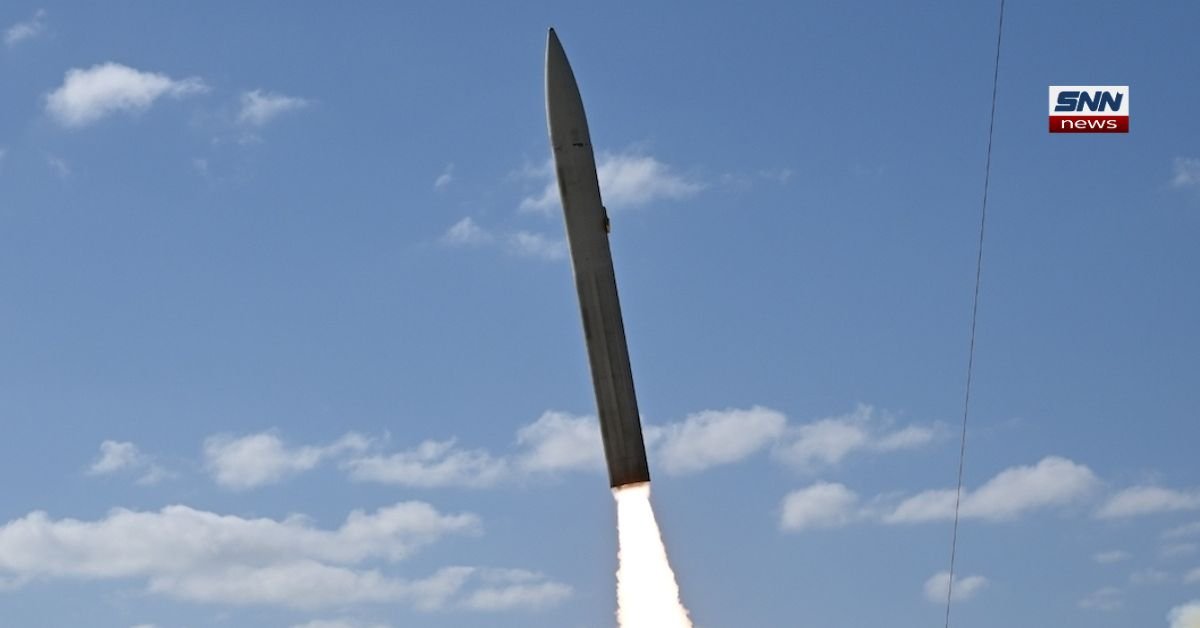
The Dark Eagle missile system is designed specifically for long-range precision strikes. Its advanced speed and maneuverability allow it to engage strategic targets faster than conventional systems.
Military experts believe such capabilities could provide the United States with a stronger deterrence option in high-risk areas.
Understanding the Dark Eagle Hypersonic Missile System
Dark Eagle is one of the most advanced hypersonic missile programs currently being developed by the United States military.
Hypersonic weapons differ from traditional ballistic missiles because they can travel at extremely high speeds while also changing direction during flight. This combination makes them significantly harder to detect, track, and intercept.
Key reported features of Dark Eagle include:
- Estimated operational range of approximately 2,700 kilometers
- Flight speeds above Mach 5
- High maneuverability during flight
- Ability to strike time-sensitive targets
- Reduced interception probability
These features make hypersonic systems valuable for modern military operations where speed and precision are critical.
Iran’s Missile Strategy Is Influencing US Planning
Iran has spent years developing missile programs as a core part of its national defense strategy.
The country operates a wide range of ballistic and cruise missile systems, many of which have been tested or displayed during military exercises.
In recent years, intelligence assessments suggest Iran has changed deployment methods by moving launch platforms farther inland or into heavily defended zones.
This strategic repositioning creates new challenges for regional military planning.
Traditional strike options may require aircraft or shorter-range missile systems to move closer to defended areas, increasing operational risks.
A hypersonic system like Dark Eagle could potentially reduce that challenge by allowing strikes from safer distances.
Strategic Importance of the Middle East Deployment
The Middle East remains one of the most sensitive military regions in the world, with multiple active conflicts, political rivalries, and international military partnerships.
The United States maintains military assets and partnerships across the region, including naval operations, air defense systems, and forward operating bases.
If Dark Eagle is deployed there, it could influence several strategic calculations:
Possible military impacts include:
- Expanded strike range against distant missile sites
- Stronger deterrence posture
- Faster response capability during crises
- Improved regional military flexibility
Military analysts note that deploying such advanced systems is not only about immediate battlefield capability but also about long-term strategic messaging.
Message to Iran, Russia, and China
Experts say the possible deployment may send a signal beyond the Middle East.
While Iran may be the immediate regional focus, analysts believe the movement of hypersonic weapons would also be closely watched by Russia and China, both of which have invested heavily in their own hypersonic missile technologies.
The global race for hypersonic weapons has accelerated in recent years as major military powers seek faster and more survivable strike systems.
By deploying Dark Eagle operationally, the United States could demonstrate that its hypersonic capabilities are moving from testing phases toward active military readiness.
This could affect defense calculations in Europe, Asia, and the Indo-Pacific region.
No Final Decision Has Been Made
Despite growing discussion, officials have not confirmed a final deployment decision.
Reports indicate the review remains under strategic and operational consideration. Factors likely being examined include:
Current considerations may include:
- Regional security risks
- Host nation agreements
- Logistics and transport requirements
- Missile system readiness
- Potential diplomatic consequences
Military deployments involving next-generation weapons often require coordination between defense agencies, regional allies, and political leadership.
As of now, no official timeline has been publicly announced.
Hypersonic Weapons Are Changing Modern Warfare
The development of hypersonic weapons is reshaping military planning worldwide.
Unlike older missile systems that follow more predictable flight paths, hypersonic glide vehicles and advanced strike systems can adjust direction mid-flight.
This makes them more difficult for air defense systems to counter.
Countries including the United States, Russia, and China are investing heavily in this technology because of its strategic value.
Defense experts say future conflicts may increasingly depend on systems that can strike quickly, accurately, and with limited warning.
The Dark Eagle program represents America’s effort to remain competitive in this changing defense environment.
Regional and Global Reactions Expected
If the United States moves forward with deployment, regional governments and international observers are likely to monitor the decision closely.
Supporters may view it as a necessary deterrence tool in a volatile region.
Critics may raise concerns about escalation and the introduction of advanced strategic weapons into already tense areas.
Either way, the decision could become one of the most closely watched military developments in global defense policy.
For now, the review continues, but the discussion alone highlights how hypersonic weapons are becoming central to modern strategic planning.
Read more about US defense strategy and Middle East military developments in our latest security coverage.
About The Author