
By Hammad Kahlun
Scandinavian news Finland
Situation Develops in Strategic Northern Mali City
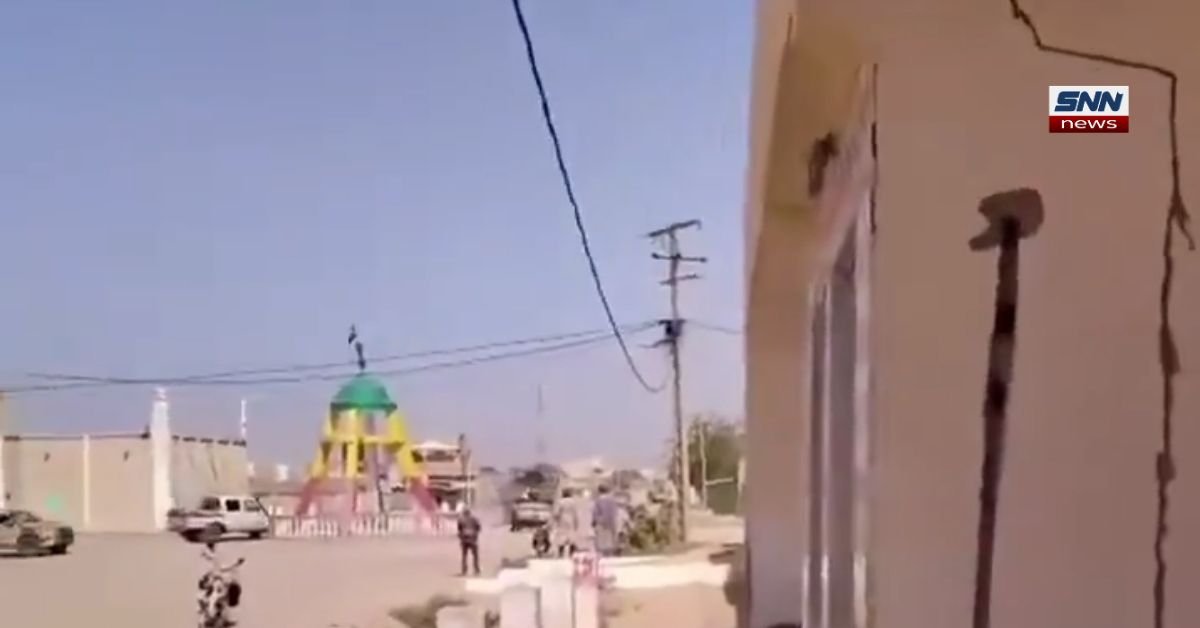
Reports from northern Mali indicate that the city Control of Kidal has come under the control of armed groups following intense clashes involving Islamist fighters and separatist forces.
According to local and regional sources, the Russia-linked Africa Corps unit and Malian government soldiers withdrew from the city after being surrounded outside the urban area.
The developments are said to have taken place after coordinated advances by Jama’at Nasr al-Islam wal-Muslimin (JNIM), an Al-Qaeda-linked group, along with the Front de Libération de l’Azawad (FLA), a Tuareg separatist movement.
The situation remains fluid, and independent verification from the ground is limited due to ongoing security instability.
Who Are JNIM and the FLA in Mali Conflict
The latest events in Kidal involve two key armed actors operating in northern Mali, both of which have played significant roles in the region’s long-running conflict.
JNIM (Al-Qaeda-linked group)
JNIM is an Islamist militant coalition affiliated with Al-Qaeda in the Sahel region. It has been active in Mali, Burkina Faso, and Niger, carrying out attacks on military and civilian targets. The group aims to establish its interpretation of Islamic governance in parts of the Sahel.
FLA (Tuareg separatists)
The FLA represents Tuareg separatist interests in northern Mali. These groups have historically sought greater autonomy or independence for the Azawad region.
Their presence in Kidal reflects ongoing tensions between the Malian central government and northern communities.
Although these groups differ ideologically, reports suggest tactical cooperation during recent operations in the region.
Role of Russian Africa Corps and Malian Forces
The Russian Africa Corps, a security and military assistance structure linked to Moscow’s expanding presence in Africa, has been operating alongside Malian government forces in counter-insurgency operations.
Following the departure of French forces in 2022, Mali has increasingly relied on Russian military support to address insurgent threats.
This shift has changed the security landscape in the country, particularly in northern regions such as Kidal, Gao, and Timbuktu.
In the reported incident, Malian soldiers and Russian personnel were said to have retreated to a military position outside the city after facing pressure from advancing armed groups.
Key elements of their involvement include:
- Counter-terrorism operations in northern Mali
- Support for Malian armed forces in conflict zones
- Training and advisory roles
- Protection of strategic military bases
- Control
However, the latest developments suggest that their position in Kidal has weakened significantly.
How the Situation in Kidal Unfolded
According to available reports, the situation escalated after armed groups launched coordinated movements toward Kidal. The city, already known for its fragile security environment, became a focal point of renewed clashes.
Reported sequence of events:
- Armed groups advanced toward Kidal and surrounding areas
- Government and allied forces withdrew from certain positions
- Russian Africa Corps personnel and Malian troops regrouped outside the city
- Forces were reportedly surrounded during the escalation
- Negotiations took place between conflicting sides
- Russian personnel are said to have withdrawn from the immediate area
- Control
While details remain limited, some accounts suggest that negotiations played a role in preventing further escalation at the time of withdrawal.
Strategic Importance of Kidal in Northern Mali
Kidal holds significant strategic and symbolic importance in Mali’s ongoing conflict. Located in the far north, it has long been a center of rebellion, separatist movements, and militant activity.
Key reasons why Kidal matters:
- It is a gateway to desert trade and smuggling routes
- It has historical ties to Tuareg autonomy movements
- It is a key location in northern Mali’s security control network
- It serves as a logistical point for military operations in the Sahel
- Control
Control over Kidal often reflects broader influence in northern Mali, making it a contested and sensitive location.
Growing Instability in the Sahel Region
The developments in Mali are part of a wider pattern of instability across the Sahel region, where multiple armed groups operate across porous borders.
Countries including Burkina Faso, Niger, and Mali have faced increasing militant activity over the past decade.
Security analysts have pointed to several contributing factors:
- Weak state control in remote areas
- Expansion of jihadist networks linked to Al-Qaeda and ISIS
- Local ethnic and political tensions
- Withdrawal or reduction of international military missions
- Competition between foreign security partners
The presence of multiple armed actors has made long-term stabilization efforts extremely complex.
Implications of Russian Involvement in Africa
Russia’s increasing security presence in Africa has been closely watched by international observers. In Mali, the Africa Corps presence represents part of a broader shift in alliances after Western military withdrawals.
The latest reported withdrawal from Kidal raises questions about:
- The effectiveness of foreign military support in local conflicts
- The sustainability of current security strategies in Mali
- The balance of power between state forces and armed groups
- Future cooperation between Mali and Russia in counter-insurgency operations
While Moscow has not officially confirmed operational details, the situation highlights the challenges faced by external actors operating in complex conflict zones.
What Happens Next in Kidal
The situation in Kidal remains uncertain as control of the city appears to have shifted following the reported withdrawal of government-aligned forces and Russian personnel. However, no clear long-term administrative structure has been confirmed by independent sources.
Possible developments include:
- Continued presence of armed groups in the city
- Attempts by Malian forces to re-establish control
- Further negotiations between conflicting parties
- Increased regional military operations in northern Mali
Observers say the coming days will be critical in determining whether the situation stabilizes or escalates further.
Conclusion
The reported developments in Kidal highlight the ongoing instability in northern Mali and the broader Sahel region.
With multiple armed groups, foreign military involvement, and shifting control on the ground, the security situation remains highly fluid.
As events continue to unfold, regional and international attention is expected to remain focused on Mali’s fragile security environment and the evolving role of external military partnerships in the conflict.
Mali conflict updates, Sahel security crisis, Kidal control situation, northern Mali armed groups control news
About The Author