
By Hammad Kahlun
Scandinavian news Finland
European Union Plans New Travel Restrictions for Former Russian Fighters
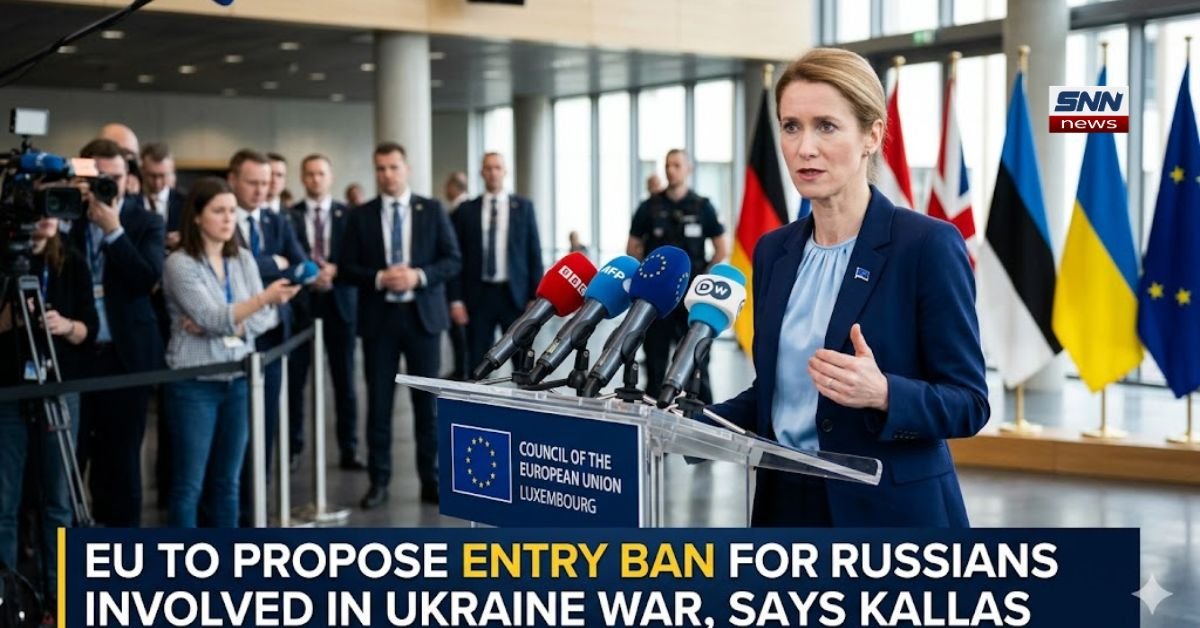
The European Union is preparing proposals to restrict entry for Russians who participated in the war, according to EU foreign policy chief Kaja Kallas.
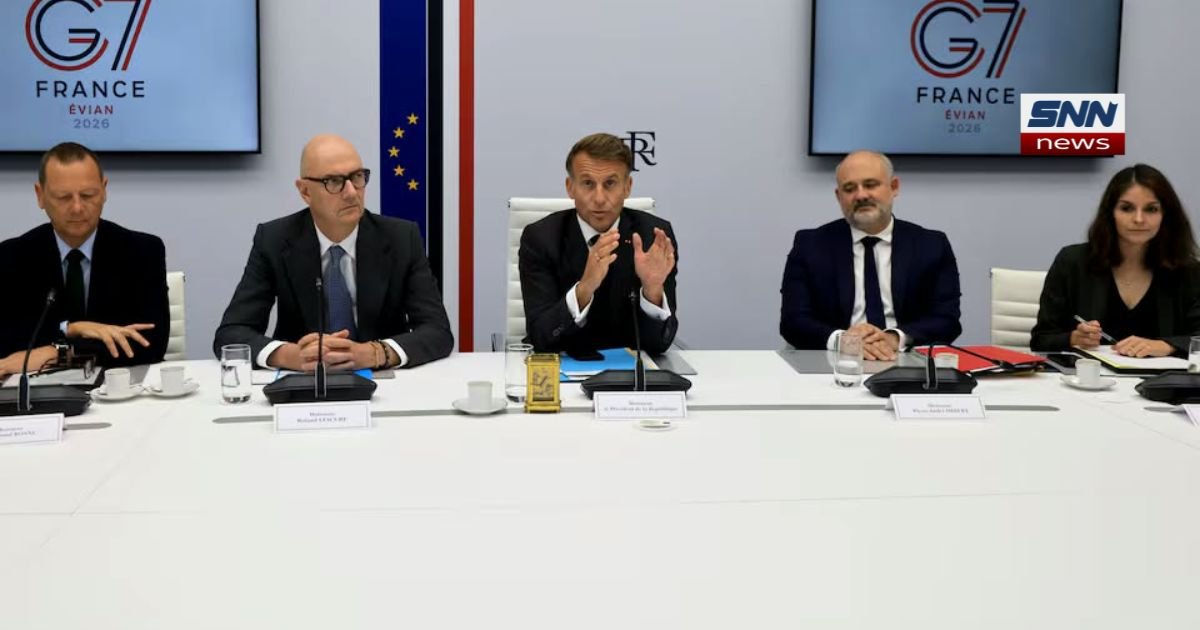
The announcement came after foreign ministers discussed the issue during a meeting in Luxembourg.
Kallas said the proposals are expected to be presented before the June European Council meeting. If approved, the new measures could prevent former Russian military personnel and others involved in combat operations from entering EU member states.
The move reflects growing concern inside Europe over security risks linked to the war in Ukraine and the future movement of individuals who took part in military actions.
What Kaja Kallas Said in Luxembourg
Speaking after discussions among EU foreign ministers, Russians Kallas said the bloc is working on legal and political options to tighten border access.
She stated:
The statement signals that EU leaders are considering a coordinated policy rather than leaving each country to decide separately.
Luxembourg hosted the foreign ministers’ meeting where several international issues were discussed, including continued support for Ukraine, sanctions policy, and European Russians security.
Why the EU Is Considering an Entry Ban
European officials have increasingly focused on what may happen Russians after the war ends or as the conflict evolves. One concern is whether people who participated in fighting could seek to travel, work, or settle in European countries Russians .
Supporters of the proposed restrictions say the policy could help address:
- Security screening challenges
- Risks of extremist or violent behavior
- Intelligence and espionage concerns
- Public safety fears
- Pressure on asylum and immigration systems
- Accountability questions linked to war conduct
- Russians
The proposal is also part of a wider European debate over how to respond to Russians invasion of Ukraine beyond economic sanctions.
Who Could Be Affected by the Restrictions?
Details have not yet been finalized, but the proposed policy appears focused on Russians who directly took part in hostilities. That may include:
Former Military Personnel
Individuals who served in Russian armed forces during combat operations.
Contract Fighters or Volunteers
People who joined military units or related formations involved in the war.
Other Conflict Participants
Depending on legal definitions, additional categories could be included if linked to combat support roles.
Officials have not yet clarified how authorities would verify past participation or what evidence would be required.
How the EU Could Enforce the Policy
Any bloc-wide restriction would likely require coordination between EU institutions and member states. Border agencies,Russians immigration services, and visa authorities would need clear legal guidance.
Possible enforcement tools may include:
- Visa refusals
- Entry bans under Schengen rules
- Shared databases and alerts
- Enhanced background checks
- National security reviews
- Travel watchlists
- Russians
Because the European Union includes many member states with different legal systems, implementation could take time.
Link to Ukraine War Policy
Since Russia launched its full-scale invasion of Ukraine in 2022, the EU has introduced multiple rounds of sanctions, export controls, and diplomatic measures against Moscow.
European countries have also provided Ukraine with:
- Financial assistance
- Humanitarian aid
- Weapons and training
- Energy support
- Refugee protection programs
- Russians
The proposed travel restrictions would represent another step in the broader pressure campaign against Russians and those linked to the war effort.
Human Rights and Legal Questions Likely
Any policy targeting individuals based on wartime participation is expected to raise legal and human rights questions.
Analysts say EU lawmakers may need to balance:
Security Interests
Governments have a duty to protect borders and public safety.
Due Process
People affected by bans may seek appeals or legal review.
Evidence Standards
Authorities would need reliable proof of involvement in hostilities.
International Law
Measures must comply with EU treaties, national laws, and rights obligations.
Because of these factors, the final proposal may contain exemptions, review procedures, or case-by-case assessments.
Reaction Across Europe
Public opinion across Europe remains strongly influenced by the war in Ukraine. In many countries, there is continued support for sanctions and accountability measures.
However, views may differ on immigration restrictions. Some governments may support strict limits, while others could prefer targeted screening rather than blanket bans.
Countries geographically closer to Russia and Ukraine often take a firmer stance on security policy, while others may focus more on legal safeguards.
Why the June European Council Matters
The June European Council meeting will be important because it brings together heads of state and government from across the EU Russians . If proposals are formally presented there, leaders can decide whether to support, amend, or delay the plan.
Major policy decisions often require consensus or strong political backing among member states.
That means the June summit could determine whether the proposed entry ban becomes a real policy or remains under discussion.
Wider Security Debate in Europe
The issue also connects to broader European Russians concerns about long-term security after the Ukraine war. Governments are reviewing how to manage:
- Returning foreign fighters
- Border screening systems
- Hybrid threats
- Organized crime risks
- Intelligence operations
- Regional instability
- Russians
Many EU states have already increased defense budgets and tightened internal security measures since 2022.
What Happens Next
Officials are expected to continue technical and legal work before the June summit. More details may emerge on who would be covered, how the ban would operate, and whether exemptions would apply.
For now, Kallas’s announcement shows that the European Union is looking beyond immediate battlefield developments and planning future security measures tied to the Russians-Ukraine war.
If approved, the policy could become one of the EU’s most significant travel-related responses to the conflict, affecting Russian nationals with military involvement and shaping future border policy across Europe.
EU sanctions latest updates, Russia Ukraine war developments, Kallas EU security policy, Europe travel restrictions news
About The Author