
By Riffat Kausar
Snn News Finland
Slovakia Prime Minister Claims Baltic States Refused Flight Access Ahead of Russia Trip
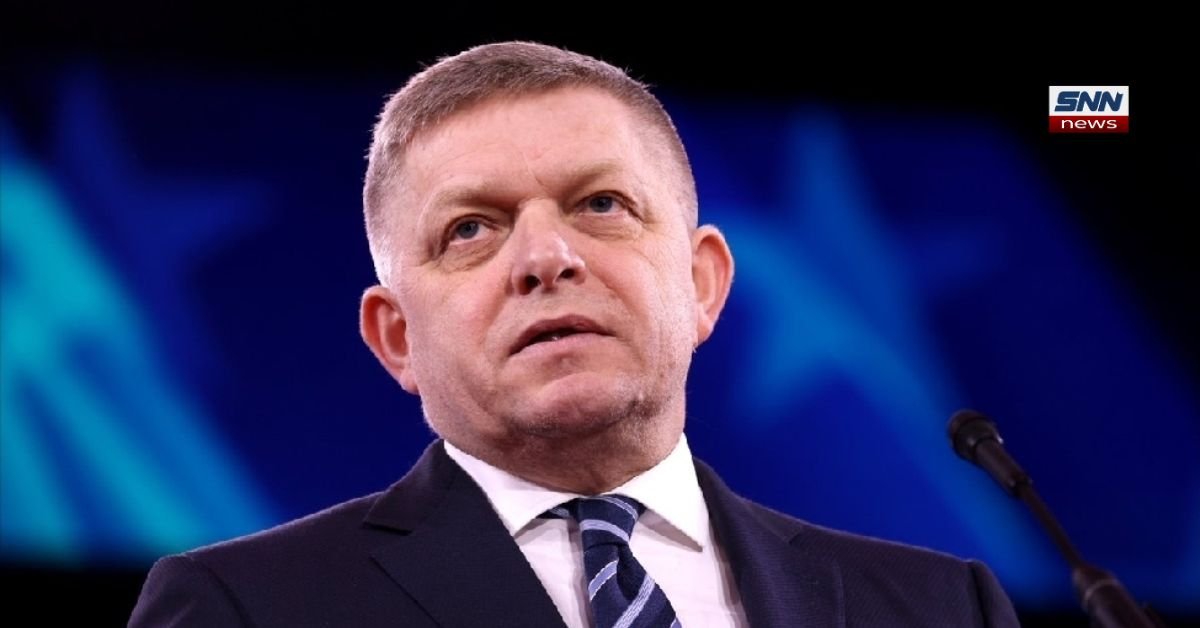
Slovakia Prime Minister Robert Fico has said that Lithuania and Latvia informed his government they would not allow his official aircraft to pass through their airspace for a planned trip to Moscow on May 9, 2026.
The visit was reportedly intended for Russia’s Victory Day celebrations marking the 81st anniversary of the Soviet Union’s victory over Nazi Germany in World War II.
Fico made the statement publicly, drawing immediate attention across Europe because the issue involves diplomatic travel, European Union relations, and continued tensions linked to Russia’s war in Ukraine.
The claim has also renewed debate over how European countries are handling official contacts with Moscow while the conflict in Ukraine continues.
What Robert Fico Said About the Airspace Refusal
According to Fico, both Lithuania and Latvia notified Slovakia that they would not permit his government plane to use their airspace on the route to Russia.
He said the restriction affects logistics for the trip and may require an alternative route.
No official operational details of the flight path were immediately released. It also remained unclear whether Estonia or other nearby states were involved in similar decisions.
The statement quickly became a political issue because it suggests some European countries are taking a harder line against visits to Russia by EU leaders.
Why the Moscow Visit Matters
Russia’s Victory Day, held annually on May 9, is one of the country’s most important state ceremonies. It includes military parades, speeches, and commemorations linked to World War II history.
In recent years, the event has gained added geopolitical significance because Russia uses the ceremony to project national strength during the Ukraine war. Attendance by foreign leaders is often closely watched.
If Fico attends, he would be among a limited number of European leaders publicly visiting Moscow during a period of strained EU-Russia relations.
Lithuania and Latvia’s Position on Russia
Lithuania and Latvia, both Baltic states and members of NATO and the European Union, have been among the strongest supporters of Ukraine since Russia launched its full-scale invasion in 2022.
Their governments have consistently backed sanctions on Russia and stronger European security measures. Both countries also maintain firm policies regarding Russian military actions and political influence in the region.
Because of this position, any refusal related to official transit for Moscow visits fits broader regional policy trends.
Growing Divide Inside Europe Over Russia Policy
The incident highlights differences within Europe over how to engage with Russia.
Some governments argue that diplomatic channels should remain open even during conflict. Others believe symbolic visits to Moscow risk undermining European unity and support for Ukraine.
Fico has often taken positions that differ from several EU partners on sanctions, military aid, and relations with Russia. His government has called for negotiations and a more pragmatic approach.
This has sometimes placed Slovakia at odds with more hardline European states.
Can Countries Deny Airspace Access?
Under international aviation rules, countries generally control sovereign airspace above their territory. States may approve or deny overflight permissions for foreign government aircraft depending on diplomatic, legal, or security considerations.
Government and military flights often require prior diplomatic clearance. Commercial airline rules can differ from state aircraft permissions.
That means Lithuania and Latvia, if confirmed, would have legal authority to decide whether transit access is granted.
Possible Impact on Slovakia’s Travel Plans
If overflight access is denied, Slovakia may need to consider longer or more complex routes to Moscow. Alternate paths could involve:
- Southern European transit corridors
- Routes through non-EU airspace
- Additional refueling stops
- Delays in scheduling or protocol planning
- Fico
Such route changes can increase costs and complicate security arrangements for official visits.
Political Reaction Expected in EU Circles
The issue may create fresh discussion inside the European Union because it combines foreign policy, symbolism, and member-state sovereignty.
Questions likely to be raised include:
Should EU Leaders Visit Moscow Now?
Some officials believe visits send the wrong message while the Ukraine war continues.
Can Transit Restrictions Be Used Politically?
Others may argue that airspace control is a sovereign right and part of broader sanctions pressure.
Will This Affect EU Unity?
Different approaches to Russia can expose divisions inside the bloc.
Slovakia’s Foreign Policy Under Fico
Since returning to office, Robert Fico has emphasized national interest, economic priorities, and caution over military involvement in Ukraine. He has criticized some Western strategies and called for peace talks.
Supporters say this reflects realism and domestic priorities. Critics argue it weakens European solidarity at a sensitive time.
The Moscow trip, if it proceeds, would likely reinforce both views depending on political perspective.
Wider Security Context in Europe
The dispute comes as Europe remains focused on defense spending, sanctions enforcement, and energy security. Relations between Russia and many EU states remain at their lowest point in decades.
Baltic countries in particular continue to warn about regional threats and the need for deterrence. Their security concerns are shaped by geography, history, and proximity to Russia.
No Full Official Confirmation Yet
At the time of reporting, detailed official written responses from all governments involved had not been publicly released. Statements may follow through diplomatic channels or government spokespeople.
Until then, Fico’s remarks remain the main public source describing the overflight issue.
What Happens Next
Attention will now turn to whether Slovakia revises the travel plan, selects an alternate route, or delays the Moscow visit.
The situation also shows how even airspace permissions have become politically sensitive in Europe.
As the Ukraine war continues, routine diplomatic travel decisions can quickly become symbols of larger geopolitical divides.
For Slovakia, Lithuania, Latvia, and the wider EU, the dispute reflects a continuing struggle over how Europe should deal with Russia in 2026.
Slovakia Russia relations latest, EU tensions over Moscow visit, Lithuania Latvia airspace dispute updates
About The Author