
By Hammad Kahlun
Scandinavian news Finland
Tisza Party Secures Strong Parliamentary Control in Hungary Election
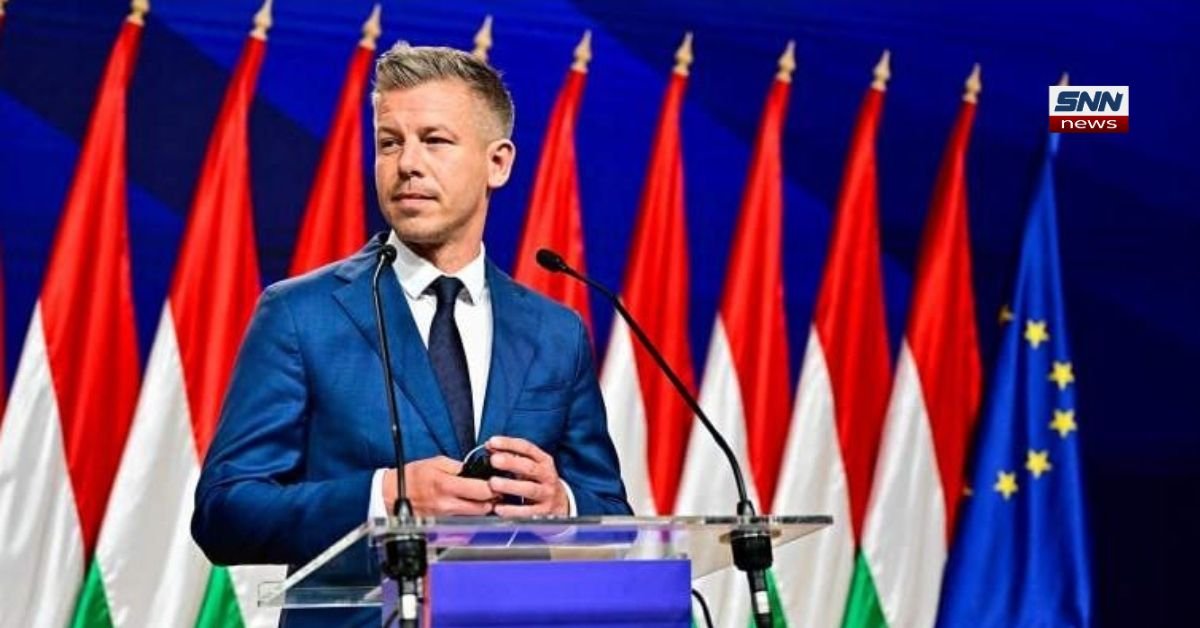
Hungary is entering a major political transition after the opposition Tisza Party, led by Peter Magyar, secured a decisive victory in the latest parliamentary election.
The party won 141 out of 199 seats, giving it a constitutional majority and far exceeding earlier expectations.
The result significantly weakens long-time Prime Minister Viktor Orbán, whose party has been reduced to just 52 parliamentary mandates. This outcome marks one of the most significant political shifts in Hungary in more than a decade.
The election result gives the Tisza Party the ability to reshape Hungary’s political system, including the power to amend the constitution and revise major state policies introduced over the past 16 years.
Who Won and What the Result Means
The election outcome places the Tisza Party in full control of the Hungarian parliament. With a two-thirds majority, the party can pass constitutional changes without needing support from other political groups.
Key results of the election:
- Tisza Party: 141 seats
- Viktor Orbán’s party: 52 seats
- Other minor parties: remaining seats
This level of control is rare in European parliamentary systems and gives the new leadership wide authority over legislative and institutional reforms.
Peter Magyar Expected to Become Prime Minister
Following the election victory, Peter Magyar is expected to officially take office as Hungary’s new prime minister on May 9.
His rise marks a rapid political transformation, as he has positioned himself as a reformist alternative to the long-standing leadership of Viktor Orbán.
Political analysts note that Magyar’s campaign focused on governance reform, anti-corruption messaging, and improving Hungary’s relationship with European Union institutions.
EU Funding and Economic Pressure at the Center
One of the most urgent challenges for the incoming government is Hungary’s financial relationship with the European Union. A significant portion of EU funds for Hungary has been frozen due to ongoing disputes over rule-of-law concerns.
The new administration is expected to prioritize negotiations with Brussels to restore access to these funds.
Why EU funds matter for Hungary:
- Support for national infrastructure projects
- Investment in healthcare and education systems
- Economic stability and development programs
- Business and job creation initiatives
Without these funds, Hungary faces continued economic pressure, making EU relations a top priority for the new leadership.
Background: Viktor Orbán’s 16-Year Rule
Viktor Orbán has been one of Europe’s longest-serving leaders, governing Hungary for 16 years. During his tenure, he implemented major constitutional and institutional reforms that strengthened executive power.
His government has often been at odds with the European Union over issues such as:
- Judicial independence
- Media regulation
- Migration policy
- Rule-of-law standards
The recent election result signals a major shift away from that political direction, although the extent of future reforms remains to be seen.
What the Constitutional Majority Allows
With a constitutional majority, the Tisza Party now holds significant legislative authority. This includes the ability to:
- Amend or rewrite parts of the constitution
- Restructure key government institutions
- Change electoral laws
- Reform judicial and administrative systems
Such powers will likely shape Hungary’s political system for years to come.
Public Reaction and Political Impact
The election result has triggered strong political reactions both inside Hungary and across Europe. Supporters of the Tisza Party view the outcome as a democratic reset and an opportunity for institutional reform.
Meanwhile, Orbán’s supporters are expected to continue political opposition in parliament, though with significantly reduced influence.
Observers say the result reflects broader public concerns, including:
- Economic pressures and inflation
- Relations with the European Union
- Governance transparency
- Political polarization
European Union Watching Closely
EU institutions are closely monitoring the political transition in Hungary. The relationship between Budapest and Brussels is expected to be a key issue for the new government.
If negotiations succeed, Hungary could see the release of frozen EU funds, which would significantly improve its economic outlook.
At the same time, the EU will likely assess whether political and legal reforms align with its standards for member states.
What Happens Next in Hungary
The coming weeks will be crucial as the new government prepares to take office and begin negotiations with EU institutions. Political experts expect early focus on:
- Forming the new cabinet
- EU funding discussions
- Economic policy planning
- Institutional reform proposals
- Foreign policy adjustments
Peter Magyar’s leadership will be closely watched as Hungary transitions into a new political phase.
Conclusion: A Turning Point in Hungarian Politics
The election marks a historic shift in Hungary’s political landscape. With the Tisza Party gaining a constitutional majority and Viktor Orbán’s long-standing dominance significantly reduced, the country is entering a period of major institutional change.
As Peter Magyar prepares to assume the role of prime minister, Hungary’s future direction—especially its relationship with the European Union—remains a central focus for both domestic and international observers.
Hungary political shift, Tisza Party landslide victory, Peter Magyar prime minister, Hungary EU relations, Orbán government defeat, European politics news
About The Author