
By Riffat Kausar
Snn News Finland
India Faces Pressure After Iran Conflict Disrupts Energy, Trade, and Regional Diplomacy
India’s long-standing foreign policy strategy Balancing of maintaining ties with competing global powers is facing fresh scrutiny after the recent Iran conflict exposed weaknesses in New Delhi’s balancing approach.
For more than a decade, India has worked to build strong relations with countries that often oppose each other, including the United States, Israel, Iran, Gulf nations, and Russia.
That strategy has helped India expand trade, secure energy imports, and increase diplomatic influence. However, the latest tensions involving Iran highlighted how quickly regional conflict can place India in a difficult position.
The crisis affected shipping routes, raised domestic fuel concerns, and shifted diplomatic attention toward Pakistan, creating new questions about India’s role in West Asia and global geopolitics.
Modi Reportedly in Tel Aviv When Conflict Escalated
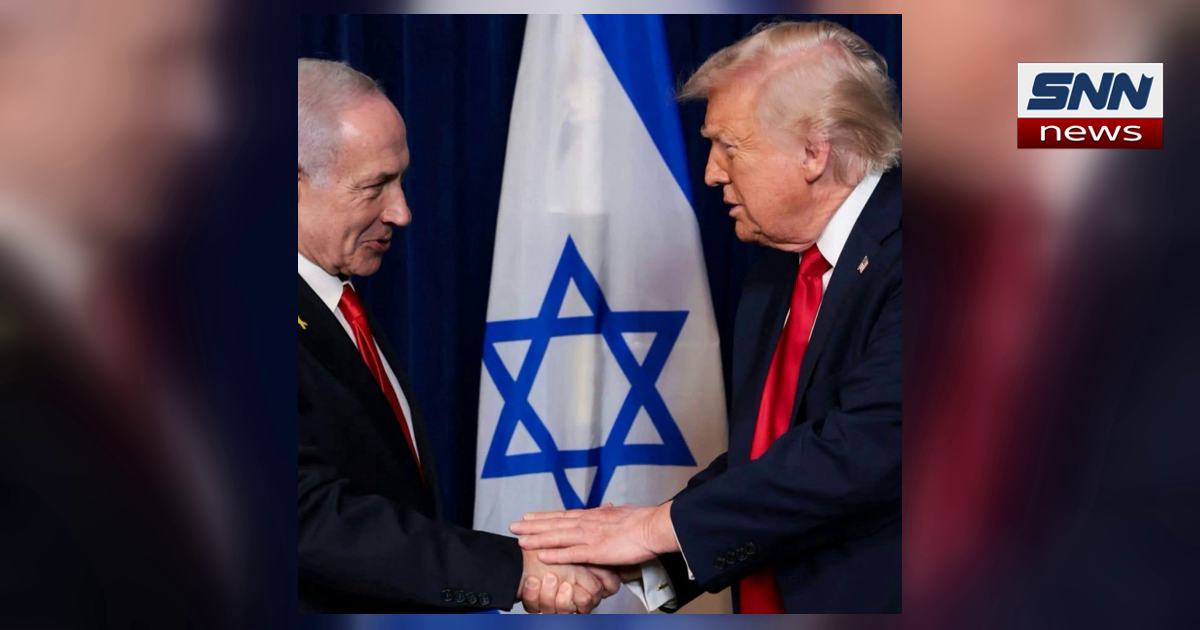
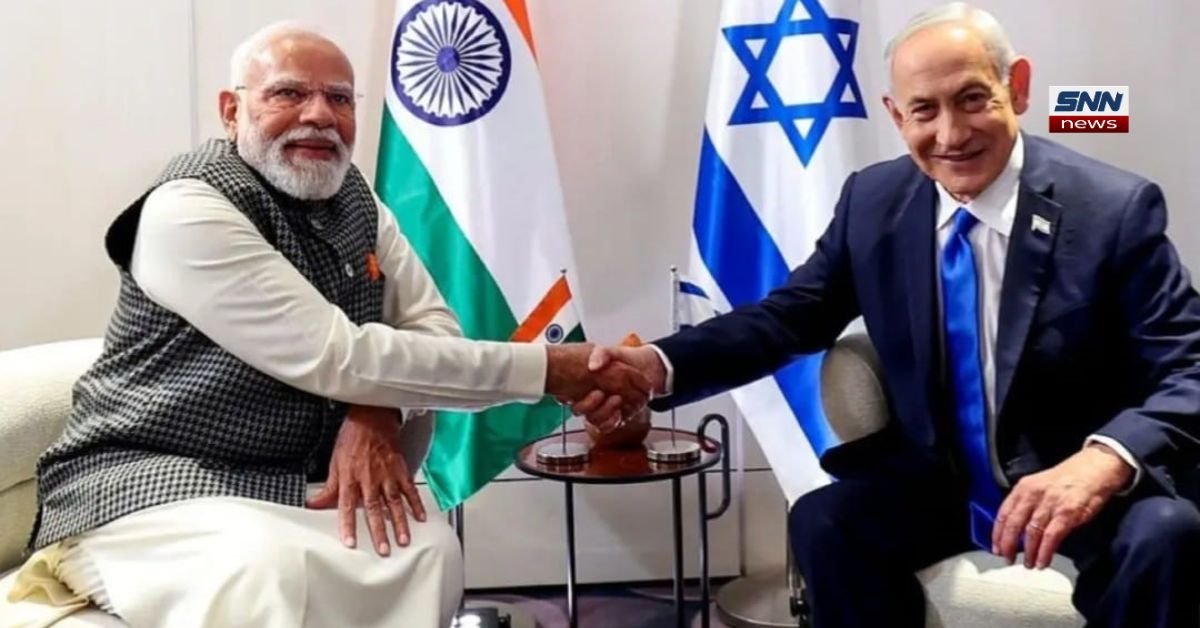
According to the claims circulating in political commentary, Indian Prime Minister Narendra Modi was in Tel Aviv when the conflict began. Reports suggest that India was not fully briefed in advance about the scale of escalation.
While no official confirmation has detailed internal diplomatic communications, the perception that India was caught off guard has fueled debate among analysts.
For a country with deep strategic interests in the region, timing matters. India has invested heavily in trade corridors, energy routes, labor links, and security ties across the Middle East.
Why Iran Matters to India
Iran remains an important regional partner for India despite sanctions-related complications in past years. One of the biggest reasons is the Chabahar Port project, where India has invested to gain access to Afghanistan and Central Asia while bypassing Pakistan.
Strategic Importance of Chabahar Port
Chabahar gives India access to:
- Trade routes toward Central Asia
- Regional logistics networks
- Alternative connectivity options
- Strategic influence near the Arabian Sea
- Balancing
Any instability involving Iran can directly affect the long-term future of this project.
Energy Security Concerns
A major share of oil and liquefied natural gas shipments connected to Asian markets passes through the Strait of Hormuz, one of the world’s most important maritime chokepoints.
When tensions rise in that area, insurance costs, shipping risks, and fuel prices often increase.
Fuel Price Pressure Felt Inside India
During the conflict, concerns over supply disruption reportedly pushed up LPG and cooking gas prices in parts of India. Public anxiety around fuel costs is politically sensitive because millions of households depend on affordable gas cylinders for daily use.
Higher transport and energy costs can also affect:
- Food prices
- Household budgets
- Small businesses
- Industrial production
- Inflation levels
- Balancing
For ordinary citizens, international conflict becomes real when it raises living expenses.
Pakistan Gains Diplomatic Attention
One of the most discussed outcomes of the crisis was the increased diplomatic role of Pakistan. Commentary around the conflict suggested Pakistan emerged as a communication channel between the United States and Iran.
If accurate, that would mark a notable shift in regional optics. Pakistan has often faced diplomatic pressure over security and governance issues. Yet during a moment of crisis, it was seen by some observers as a useful intermediary.
For India, this creates a symbolic challenge. New Delhi has spent years positioning itself as a major global power and reliable strategic partner. Seeing Pakistan gain relevance during a regional emergency changes part of that narrative.
India’s Balancing Strategy Still Has Strengths
Despite the criticism, many foreign policy experts continue to view India’s diplomatic model as effective. India has maintained working relationships with countries that do not agree with each other, including:
- United States and Russia
- Israel and Iran
- Saudi Arabia and Iran
- Western allies and developing nations
- Balancing
This flexible diplomacy has allowed India to protect national interests without becoming fully dependent on one bloc.
India is also a member of several international platforms, including the G20, BRICS, Quad, and the Shanghai Cooperation Organisation. Few countries of India’s size operate across so many strategic groupings at once.
Where the Strategy Becomes Difficult
Balancing works best during stable periods. It becomes harder when two or more friendly partners move into open confrontation.
When that happens, each side may expect political support, clearer messaging, or practical alignment. Neutrality becomes more costly and more difficult to maintain.
India now faces a common geopolitical question: can it remain close to rivals who are in direct conflict with each other?
That challenge is likely to grow as global politics becomes more divided.
Public and Economic Impact for India
The recent Iran conflict shows why foreign policy decisions matter beyond diplomacy. Events far from India’s borders can quickly affect domestic life through prices, jobs, and trade.
Remittances from overseas workers support families and local economies back home. Any regional instability can create uncertainty for workers, travel routes, and income flows.
India must also protect:
- Sea trade lanes
- Energy imports
- Overseas citizens
- Export markets
- Strategic investments abroad
- Balancing
What Analysts Are Saying
Many experts argue that India remains one of the few nations capable of talking to multiple sides during global disputes. That gives New Delhi long-term value.
However, the Iran conflict also showed that influence requires preparation, fast intelligence, and crisis diplomacy. Strong ties alone may not guarantee a leading role during emergencies.
Some analysts believe India may now seek deeper contingency planning for West Asia, including stronger maritime security and emergency energy reserves.
What Happens Next for India Foreign Policy
India is unlikely to abandon its balancing model. The strategy has delivered economic and diplomatic benefits for years. Instead, policymakers may refine it by improving crisis response and strengthening communication with key partners.
Possible next steps include:
Stronger Energy Planning
India may increase reserves and diversify suppliers.
Faster Regional Diplomacy
More active engagement in Middle East security issues could follow.
Trade Route Protection
Naval coordination and shipping security may receive greater focus.
Strategic Clarity
India may be asked to define positions more clearly during future conflicts.
Conclusion
The Iran conflict did not end India’s geopolitical balancing strategy, but it exposed its limits.
New Delhi remains a major power with broad international relationships, yet modern crises can move faster than traditional diplomacy.
For Prime Minister Narendra Modi’s government, the lesson is clear: balancing rivals is valuable, but when partners move toward confrontation, even strong diplomacy can face sudden pressure.
india geopolitical balancing strategy, India Iran conflict balancing policy, Modi balancing foreign relations, India Pakistan diplomacy balancing shift, India Middle East balancing news
About The Author