

By Shumaila Aslam
Scandinavian News Finland
Bureau Chief Pakistan
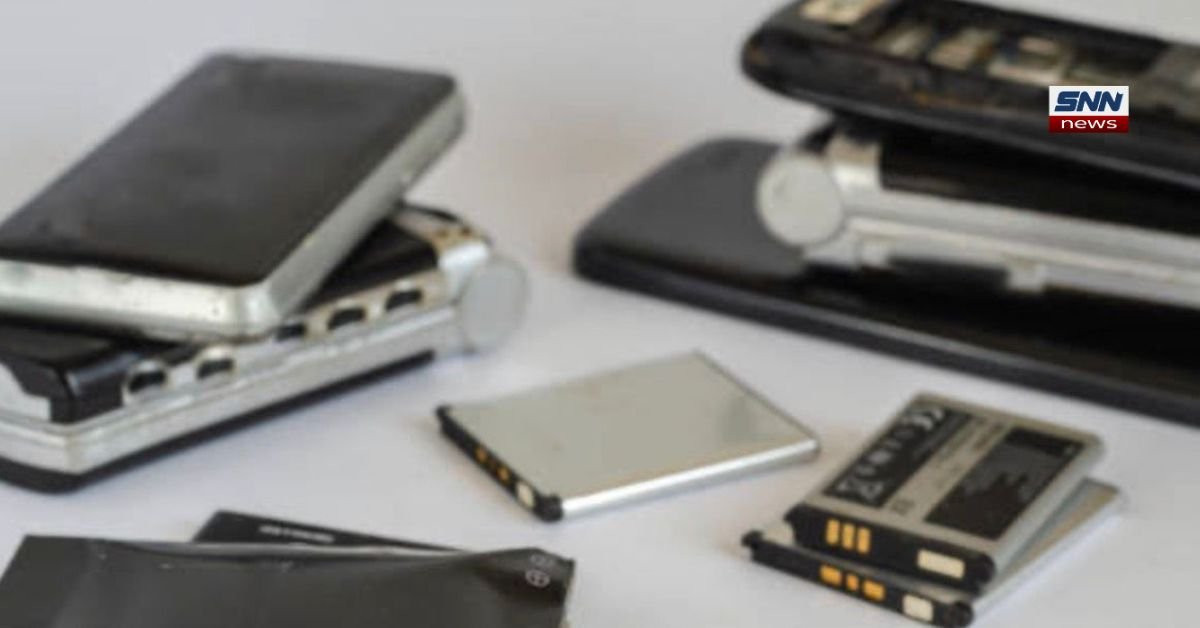
European Union to Require User-Replaceable Smartphone Batteries
The European Union is moving ahead with a major consumer electronics reform that will require smartphone manufacturers to design devices with replaceable batteries.
Under the new rule, future smartphones sold in the EU market must allow users to remove and replace batteries themselves without needing repair shops, specialized tools, or technical expertise.
The measure is part of a wider EU sustainability strategy focused on reducing electronic waste, extending product life, and giving consumers more control over the devices they own.
Officials say the policy will help millions of people keep phones longer instead of replacing them when battery performance declines.
The regulation is expected to affect global smartphone makers because many companies design one model for multiple international markets. As a result, changes introduced for Europe may also influence products sold worldwide.
Why the EU Is Introducing Replaceable Batteries
Battery degradation is one of the most common reasons consumers replace smartphones. Over time, lithium-ion batteries lose capacity, causing shorter battery life, slower performance, and charging problems.
Many modern smartphones use sealed designs where batteries are glued inside the device. In such cases, replacing the battery often requires:
- Professional repair services
- Special tools
- Heat treatment to loosen adhesives
- Extra repair costs
- Risk of screen or internal damage
- Replaceable
EU lawmakers argue that this design model creates unnecessary waste and increases costs for users. A removable battery system could allow consumers to replace aging batteries at home and continue using their phones for years.
What the New EU Smartphone Battery Rule Requires
Under the upcoming regulation, manufacturers selling smartphones in the EU must meet several product design obligations.
Key Requirements Include:
- Batteries must be replaceable by the user
- No permanent glue-based sealing that blocks battery removal
- No need for special proprietary repair tools
- Spare batteries and replacement parts must remain available for at least five years
- Products must be easier to repair and maintain
- Clear repair information may be required for consumers and technicians
- Replaceable
The law is designed to support a more circular economy, where products are repaired, reused, and kept in service longer.
How Smartphone Makers May Need to Redesign Devices
Many premium smartphones today prioritize thinness, water resistance, and sealed construction. To comply with EU battery replacement rules, companies may need to rethink internal layouts and assembly methods.
Possible design changes include:
Easier Battery Access
Manufacturers may use pull-tab adhesives, removable panels, or simplified screw systems.
Stronger Modular Components
Phones may be redesigned so batteries can be swapped without damaging screens or charging ports.
New Waterproofing Solutions
Companies may need improved sealing systems that still allow opening the device safely.
Longer Parts Support
Brands will likely need stronger supply chains to keep spare batteries available for years.
These changes could increase production complexity in the short term, but may improve long-term product durability.
Which Companies Could Be Affected
The rule is expected to impact nearly all major smartphone brands selling in Europe, including global manufacturers that dominate the market.
Since Europe is one of the world’s largest consumer electronics regions, companies often cannot ignore EU standards.
Major smartphone makers may decide between:
- Creating Europe-specific models
- Updating global models to meet EU rules
- Standardizing one repair-friendly design for all markets
Past EU regulations, such as USB-C charging requirements, have already influenced worldwide device standards.
Benefits for Consumers
Supporters of the policy say the new battery rule can deliver direct practical benefits.
Lower Ownership Costs
Replacing a battery is usually cheaper than buying a new phone.
Longer Device Lifespan
Users may keep phones for several more years if battery health can be restored easily.
More Repair Choice
Consumers may no longer depend only on official service centers.
Better Sustainability
Keeping devices longer reduces waste, mining demand, and emissions linked to manufacturing new phones.
Environmental Impact and E-Waste Reduction
Electronic waste remains one of the fastest-growing waste streams globally. Smartphones contain metals, plastics, rare earth elements, and batteries that require energy-intensive extraction and manufacturing.
When consumers discard phones mainly because of battery decline, still-functional devices often leave service too early.
The EU believes replaceable batteries can help by:
- Reducing discarded electronics
- Increasing reuse and resale value
- Lowering demand for raw materials
- Supporting repair and refurbishment industries
- Cutting environmental pressure from constant upgrades
Environmental groups have broadly welcomed measures that promote repairability.
Challenges and Industry Concerns
Some manufacturers may argue that fully user-replaceable batteries create engineering challenges.
Possible concerns include:
Water and Dust Resistance
Sealed phones often perform better in protection testing.
Slim Designs
Ultra-thin devices may be harder to build with removable battery systems.
Security and Safety
Battery replacement systems must still protect against overheating, damage, and counterfeit components.
Cost Pressures
Maintaining spare parts for five years may increase logistics and storage costs.
However, regulators say innovation should balance convenience, sustainability, and consumer rights.
Wider Right-to-Repair Movement in Europe
The replaceable battery requirement is part of a broader right-to-repair movement gaining momentum across Europe and other regions. Policymakers increasingly want manufacturers to make appliances and electronics easier to fix.
Similar discussions are taking place around:
- Laptops
- Tablets
- Home appliances
- Electric bikes
- Wearable devices
- Consumer electronics accessories
The goal is to move away from throwaway consumption and toward longer-lasting products.
What It Means for Buyers
Consumers shopping for future smartphones in the EU may begin seeing devices marketed with battery serviceability, repair scores, and parts availability. Buyers could also compare products based on long-term ownership value rather than only camera or processor features.
For many users, battery replacement may become as normal as changing a charger cable or screen protector.
What Happens Next
Manufacturers now face a transition period to adapt product lines, supply chains, and engineering strategies. Some brands may respond quickly, while others could phase in changes over several product cycles.
The EU smartphone replaceable battery rule marks a significant shift in how mobile devices are designed. If successful, it may reshape global expectations for smartphone durability,
repairability, and consumer ownership rights.
About The Author