
By Hammad Kahlun
Scandinavian News Finland
Saudi Arabia Denied U.S. Use of Its Bases and Airspace And That Is Why Project Freedom Stopped
When the White House announced a pause in Project Freedom this week, U.S. Military the official explanation pointed to diplomatic progress and promising negotiations.
But two U.S. Military officials speaking to NBC News have now revealed a sharply different picture one in which Saudi Arabia’s refusal to cooperate left the United States military with no viable path to continue the operation.
The real reason Project Freedom stopped was not strategic patience. It was operational impossibility.
What Happened: The Announcement That Caught Allies Off Guard
According to senior U.S. officials, President Donald Trump announced Project Freedom on social media on Sunday afternoon without first coordinating with Gulf allies, including Saudi Arabia.
The announcement came without warning. No prior consultation. No diplomatic preparation. Gulf partners were caught completely off guard and Saudi Arabia, the most critical U.S. military partner in the region, was furious.
The Kingdom moved quickly. Saudi officials informed Washington that the United States would not be permitted to:
- Fly military aircraft from Prince Sultan Air Base, located southeast of Riyadh
- Use Saudi airspace to support any operations connected to Project Freedom
- U.S. Military
These were not minor restrictions. Prince Sultan Air Base is one of the most strategically significant American military installations in the Middle East. Without access to it and without the ability to fly through Saudi airspace — the operational architecture of Project Freedom collapsed.
The Phone Call That Changed Nothing
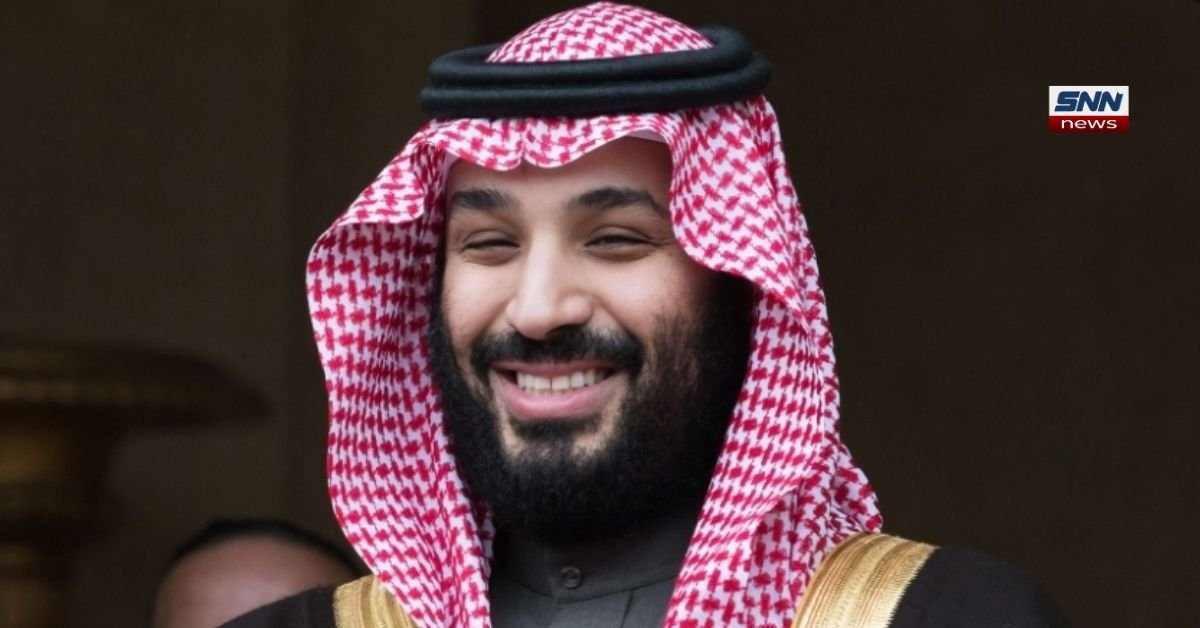
Following Saudi Arabia’s refusal, a direct call took place between President Trump and Crown Prince Mohammed bin Salman. The conversation was intended to resolve the standoff and restore military access.
It did not.
Saudi Arabia held its position. The Crown Prince did not grant the access Washington needed. With no alternative flight path available and no agreement in place, the Pentagon was left without the regional infrastructure required to keep Project Freedom running.
At the time the operation was halted, the Pentagon had already been actively arranging additional ships for transit in support of the mission. Those plans were suspended when the Saudi refusal made continuation impossible.
The Official Story vs. The Operational Reality
What the White House Said
The public explanation offered by U.S. officials following Tuesday’s pause emphasised positive momentum.
Spokespersons pointed to what they described as significant progress toward a diplomatic resolution and suggested the pause reflected a deliberate strategic choice an act of patience, not pressure.
What Actually Happened
The account provided by U.S. officials to NBC News tells a fundamentally different story.
The pause was not chosen. It was forced. The U.S. Military could not continue Project Freedom without Saudi airspace access. Saudi Arabia withdrew that access. The operation stopped.
Diplomatic conversations may have been running in parallel and genuine progress on a deal may indeed have been taking place but the immediate and direct cause of the suspension was not a negotiating decision.
It was the physical and logistical impossibility of proceeding without Saudi cooperation.
Why Saudi Arabia’s Role Changes Everything
The Strategic Weight of the Kingdom
Saudi Arabia is not simply a regional partner. It is the cornerstone of American military infrastructure in the Gulf.
Prince Sultan Air Base has served as a critical hub for U.S. Military operations across the Middle East for decades.
Access to Saudi airspace is not a diplomatic courtesy it is an operational necessity for any sustained American military engagement in the region.
When Saudi Arabia withdraws that access, the U.S. Military loses something that cannot easily be replaced by repositioning ships or rerouting aircraft.
The Coordination Failure
The core problem, according to officials familiar with the situation, was the manner in which Project Freedom was announced.
Launching a major military operation via social media without advance coordination with the host nation on whose territory and airspace that operation depends is an extraordinary breach of the diplomatic and operational protocols that underpin U.S. Military alliances in the region.
Saudi Arabia’s anger was not simply a reaction to the operation itself. It was a reaction to being publicly committed to something it had never agreed to.
What This Means Going Forward
U.S.-Saudi Relations Under Pressure
The episode has placed visible strain on one of Washington’s most important strategic partnerships.
A direct call between the President and the Crown Prince failed to produce agreement a notable outcome given the historically close personal relationship between the two leaders.
Whether that relationship can absorb this level of public friction without longer-term consequences remains an open question.
The Credibility of Official Statements
The gap between the White House’s public characterisation of Tuesday’s pause and the operational reality described by U.S. Military officials raises serious questions about the accuracy of official communications surrounding Project Freedom.
If the pause was presented as a strategic choice when it was in fact a forced halt, the credibility of subsequent statements about the operation’s status and direction will face significant scrutiny from allies, from Congress, and from the public.
The Operation’s Future
Project Freedom remains suspended. No timeline for resumption has been announced. Restoring Saudi cooperation through diplomatic repair and formal coordination appears to be the prerequisite for any restart.
Until that cooperation is secured, the operation cannot proceed.
Key Facts at a Glance
- Project Freedom was announced by President Trump on social media on Sunday without prior coordination with Gulf allies
- Saudi Arabia refused U.S. access to Prince Sultan Air Base and Saudi airspace
- A direct Trump-MBS phone call failed to resolve the dispute
- The Pentagon had been arranging additional ships when the halt was ordered
- The official reason given was diplomatic progress officials say the real reason was operational impossibility
- The operation remains paused with no confirmed restart date
- U.S. Military
Discover how U.S. Military access disputes with Gulf allies are reshaping American strategic operations across the Middle East.
About The Author