
By Riffat Kausar
Snn News Finland
What Happened and Why It Matters
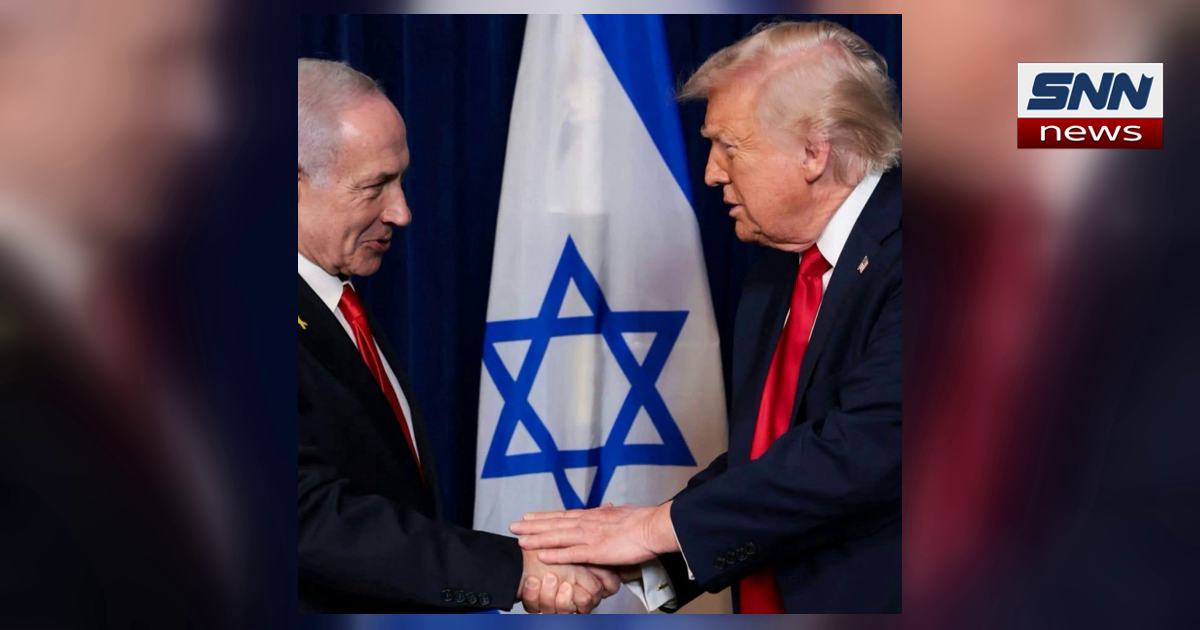
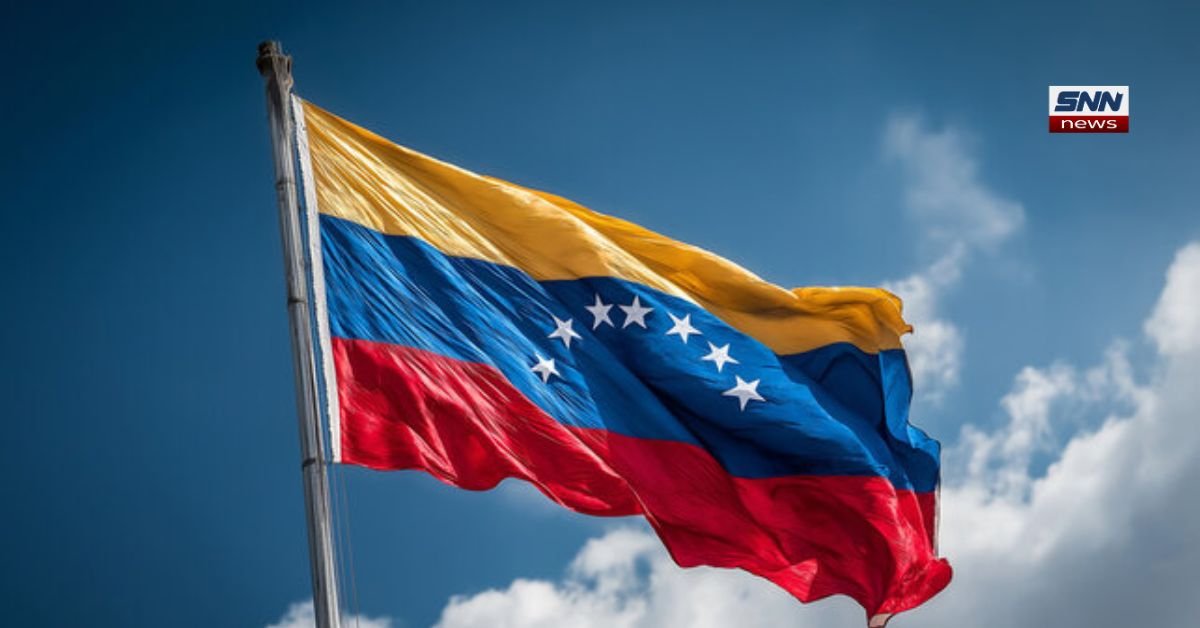
U.S. President Donald Trump has reportedly said he is “seriously considering” the idea of making Venezuela the 51st state Remarks of the United States, according to comments shared by Fox News reporter John Roberts.
The statement, made during a phone conversation, has triggered strong international reactions and raised questions about sovereignty, international law, and U.S. foreign policy direction.
The remarks surfaced on May 11–12, 2026, and quickly spread across global media platforms, including Fox News and international wire services.
Venezuelan officials immediately rejected the idea, calling it unrealistic and a violation of national independence.
The issue is now being widely discussed in political and diplomatic circles due to its unusual nature and potential geopolitical implications.
Background: How the Statement Emerged
According to reports from Fox News and other media outlets, the discussion originated during a phone conversation between President Trump and Fox News journalist John Roberts.
During the exchange, Trump allegedly suggested that Venezuela could be considered for U.S. statehood, citing economic and strategic factors.
Key points linked to the statement include:
- Trump described Venezuela as a country with vast oil reserves
- He suggested Venezuelans “like” the idea of closer ties with the United States
- The conversation highlighted potential economic benefits tied to energy resources
- The discussion was later shared publicly by the journalist on social media
- Remarks
While the White House has not released an official policy document on the matter, the comments have already generated widespread debate.
Venezuela’s Response: Strong Rejection of Statehood Idea
Venezuelan leadership quickly dismissed the suggestion. Acting President Delcy Rodríguez responded from The Hague, where she was attending proceedings at the International Court of Justice (ICJ).
She emphasized that Venezuela’s sovereignty is non-negotiable and rejected any idea of becoming part of another country.
Her key arguments included:
- Venezuela is a sovereign and independent nation
- The country values its historical struggle for independence
- Citizens would not accept any form of annexation
- National identity and territorial integrity remain central priorities
- Remarks
Rodríguez stated that Venezuela is “not a colony” and reaffirmed commitment to independence and national dignity.
Political and Economic Context Behind the Discussion
Although the idea of U.S. statehood for Venezuela is highly unusual, analysts say the remarks are tied to broader geopolitical and economic factors.
Venezuela’s Strategic Importance
Venezuela holds some of the world’s largest proven oil reserves, making it a significant player in global energy discussions. This has long attracted international attention from major economies, including the United States.
Reports linked to the discussion mention:
- Large-scale crude oil reserves
- Ongoing interest from global energy companies
- Efforts to stabilize production and exports
- Strategic importance in the Western Hemisphere
- Remarks
U.S.–Venezuela Relations
Relations between Washington and Caracas have historically been complex, involving:
- Diplomatic tensions
- Sanctions and economic restrictions
- Political disputes over governance and leadership
- Occasional negotiations over energy cooperation
- Remarks
The latest remarks add a new layer of controversy to already sensitive relations.
Legal Reality: Could Venezuela Actually Become a US State?
Despite the political attention, experts emphasize that the idea faces major legal and constitutional barriers.
For any foreign country to become a U.S. state, several conditions would need to be met:
Required Steps
- Approval by the U.S. Congress
- Consent from the population of the territory
- Full constitutional and legal integration
- International diplomatic agreement
- Remarks
Major Obstacles
- Venezuela’s sovereignty under international law
- Strong political opposition within Venezuela
- Lack of precedent for incorporating a foreign nation as a U.S. state
- Diplomatic consequences with global partners
- Remarks
Legal analysts widely consider the proposal extremely unlikely under current international frameworks.
Global Reactions and Political Debate
The comments have sparked reactions across social media, political forums, and international news outlets. Supporters and critics have interpreted the remarks in different ways.
Key reactions include:
- Concerns over potential escalation in U.S. foreign policy
- Debate over energy-driven geopolitical strategy
- Questions about diplomatic messaging and intent
- Discussions about constitutional limits of state expansion
- Remarks
Some observers see the statement as rhetorical or symbolic, while others view it as part of a broader shift in U.S. international posture.
Historical Context: U.S. Territorial Expansion Discussions
While rare, discussions about territorial expansion have appeared in U.S. political history before.
Examples include:
- Past interest in acquiring Greenland
- Proposals related to Puerto Rico statehood
- Historical expansion during the 19th and early 20th centuries
- Strategic interest in global trade routes and resources
- Remarks
However, proposing statehood for a sovereign South American country like Venezuela is unprecedented in modern diplomatic history.
Public Impact and International Significance
The discussion has broader implications beyond political rhetoric.
Key areas of impact:
- Diplomatic relations: Increased sensitivity between Washington and Caracas
- Energy markets: Renewed focus on Venezuelan oil reserves
- Global politics: Debate over sovereignty and intervention
- Media attention: Widespread coverage across international news networks
- Remarks
Conclusion: A Statement That Raised More Questions Than Answers
President Trump’s reported comments about Venezuela becoming the 51st U.S. state have created significant international discussion.
While Venezuelan officials have firmly rejected the idea, the statement has highlighted ongoing geopolitical tensions and the strategic importance of Venezuela’s natural resources.
At this stage, there is no official policy proposal or legislative action supporting the idea.
However, the remarks continue to fuel debate over U.S. foreign policy direction, sovereignty, and global energy politics.
The situation remains fluid, and further clarification from official channels is expected as international attention grows.
/venezuela-51st-state-trump-remarks-fox-news-report
About The Author