
By Hammad Kahlun
Scandinavian news Finland
Russian President Vladimir Putin Begins Official Visit to China
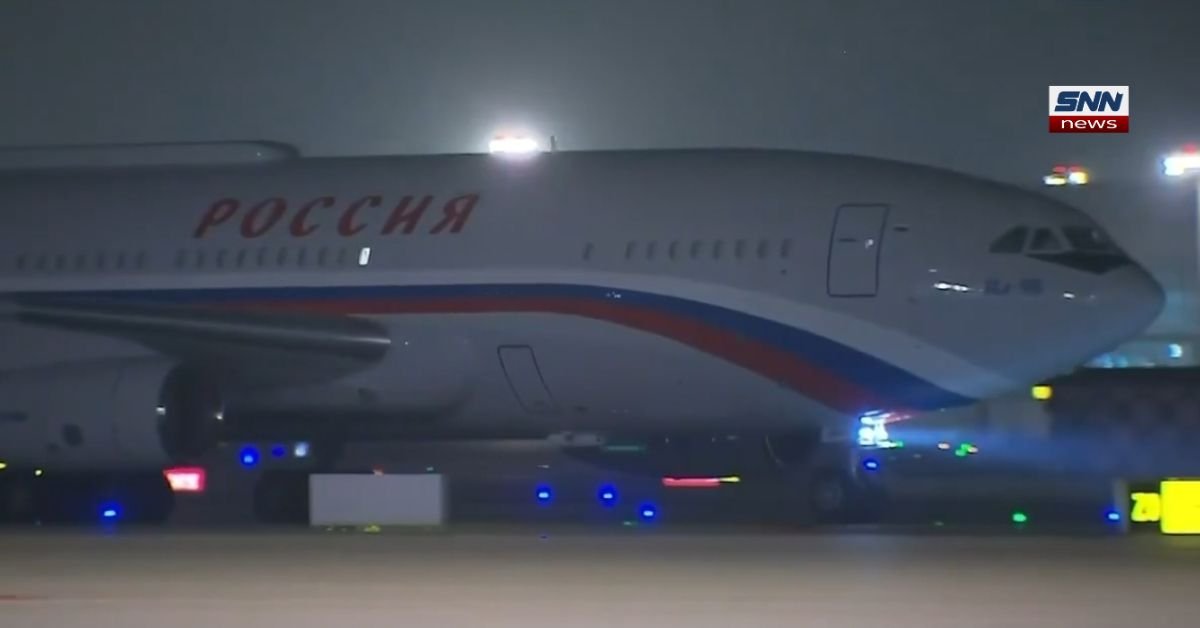
Russian President Vladimir Putin arrived in Beijing on Thursday for a two-day official visit to China, marking another high-level meeting between the two neighboring powers as they continue to strengthen political, economic, and strategic ties.
According to Russian state media, the visit is dedicated to the 25th anniversary of the Treaty of Friendship and Cooperation between Russia and China, a major agreement signed in 2001 that laid the foundation for long-term diplomatic coordination between the two countries.
Putin’s visit comes at a time of increasing geopolitical tensions between Russia and Western nations, while China continues to position itself as one of Moscow’s most important international partners.
The trip is expected to include talks with Chinese President Xi Jinping and other senior officials in Beijing.
Russia-China Relations Remain a Key Global Focus
The visit has drawn international attention because of the growing partnership between Russia and China in areas including trade, energy, defense, and global diplomacy. Analysts view the meeting as part of a broader effort by both countries to deepen cooperation amid changing global political dynamics.
Russian and Chinese officials have repeatedly described their relationship as stable and strategic. In recent years, both governments have increased coordination in international forums such as the United Nations, BRICS, and the Shanghai Cooperation Organisation.
The Kremlin said the discussions would focus on bilateral cooperation, economic development, regional security, and international affairs.
What Is the Russia-China Treaty of Friendship and Cooperation?
The Treaty of Friendship and Cooperation between Russia and China was signed in July 2001. The agreement aimed to strengthen long-term political trust and encourage cooperation in multiple sectors.
Key areas covered by the treaty include:
- Economic and trade cooperation
- Security coordination
- Diplomatic engagement
- Scientific and technological development
- Cultural exchange
- Regional stability
Over the past 25 years, the agreement has become one of the central pillars of Russia-China relations.
Political observers say the treaty helped both countries establish closer ties after the collapse of the Soviet Union and during a period of significant global political change.
Putin and Xi Jinping Expected to Hold High-Level Talks
Chinese President Xi Jinping is expected to host Putin during the state visit in Beijing. The meeting is likely to focus heavily on trade relations, energy cooperation, and ongoing international conflicts.
Russia has increasingly relied on Chinese markets since facing economic sanctions from Western countries following the war in Ukraine. China, meanwhile, has expanded imports of Russian energy products, including oil and natural gas.
Economic exchange between Russia and China has increased rapidly over the past few years.
Economic cooperation has become especially important as Russia seeks alternative markets outside Europe.
Experts believe the leaders may also discuss:
Major discussion topics likely include:
- Energy partnerships and pipeline projects
- Currency trade outside the US dollar system
- Regional security in Asia and Europe
- Technology and infrastructure cooperation
- International sanctions and global economic pressure
Although China has maintained an officially neutral position regarding the Ukraine conflict, Western governments continue to closely monitor Beijing’s relationship with Moscow.
Growing Economic Cooperation Between Russia and China
Economic ties between Russia and China have expanded rapidly over the last decade.
China continues to be one of Russia’s key commercial partners, while Russia plays an important role in supplying energy resources to China.
Bilateral trade volumes have repeatedly reached record levels, supported by cooperation in energy, agriculture, transportation, and manufacturing.
Chinese companies have also increased their role in Russian markets after many Western firms reduced operations in the country.
Energy cooperation remains one of the strongest areas of partnership. Russia continues to supply oil, coal, and natural gas to China through pipelines and maritime routes.
Global Attention on Beijing Meeting
International governments and foreign policy experts are watching the Beijing meeting closely due to its potential impact on global diplomacy and international power balances.
Relations between Russia and Western nations have remained tense since the start of the Ukraine war. At the same time, competition between China and the United States continues to shape international politics and trade policy.
The Putin-Xi meeting is expected to reinforce the message that Moscow and Beijing are maintaining close diplomatic communication despite external pressure.
Several analysts believe the visit also reflects a broader shift toward stronger cooperation among non-Western powers in areas such as finance, trade systems, and geopolitical strategy.
China’s Position on Russia and the Ukraine Conflict
China has repeatedly called for dialogue and political negotiations regarding the war in Ukraine while avoiding direct criticism of Russia. Beijing has also opposed certain Western sanctions against Moscow.
Western governments, however, have expressed concerns that closer Russia-China cooperation could influence international security and economic stability.
Chinese officials maintain that their relationship with Russia is based on mutual respect and non-interference in internal affairs.
During previous meetings, both countries emphasized the importance of what they describe as a “multipolar world order,” where global influence is shared among several major powers rather than dominated by one country.
Strategic Importance of the Visit
Putin’s Beijing visit is seen as strategically important for both governments. For Russia, maintaining strong relations with China helps offset diplomatic isolation from parts of the West. For China, stable relations with Russia support regional influence, energy security, and economic interests.
The two-day visit is expected to include formal meetings, bilateral agreements, and public statements aimed at highlighting continued cooperation.
Observers say the anniversary of the Treaty of Friendship and Cooperation provides both countries with an opportunity to publicly demonstrate the long-term nature of their partnership.
International Reactions Expected Following Talks
Governments around the world are expected to monitor announcements made during the Beijing meetings. Any new agreements related to energy, trade, defense, or international cooperation could influence regional and global policy discussions.
The Russia-China partnership remains one of the most closely watched geopolitical relationships in the world due to its impact on diplomacy, security, and the global economy.
As Putin continues his official visit in Beijing, attention will remain focused on how both countries plan to shape their future cooperation during a period of ongoing international uncertainty.
/beijing-russia-china-official-visit-putin-xi-relations-news/
About The Author