
ICC Prosecutor Khan was removed from office on Friday, July 24, 2026, after the International Criminal Court’s Assembly of States Parties voted 82-13-15 to end his tenure over findings of serious misconduct. It is the first time in the ICC’s 24-year history that member states have removed a sitting chief prosecutor.
By Hammad Kahlun, International Correspondent for SNN News Finland THE HAGUE / NEW YORK
Why ICC Prosecutor Khan was removed
The vote followed an investigation by the UN Office of Internal Oversight Services into allegations that Khan pursued an unwanted sexual relationship with a subordinate staff member, including alleged touching and groping over roughly a year. Assembly president Paivi Kaukoranta said the vote found Khan had engaged in “prohibited conduct against a subordinate staff member.”
Khan, a British barrister, had been suspended from duties since June pending the outcome of the disciplinary process and has consistently denied the allegations.
Key facts about the ICC Prosecutor Khan vote
- 82 of the ICC’s 125 member states voted to remove Khan, clearing the 63-vote threshold required.
- 13 states voted against removal, and 15 abstained.
- Deputy prosecutors Nazhat Shameen Khan and Mame Mandiaye Niang now lead the Office of the Prosecutor.
- Elections for a new chief prosecutor are expected to follow.
ICC Prosecutor Khan’s legal team disputes the process
Khan’s chief lawyer, Tayab Ali, said a judicial panel had unanimously found that the UN oversight office’s findings “did not establish misconduct or breach of duty by Mr Khan under the relevant legal framework.” Ali argued Khan “was never given a fair opportunity to be heard,” noting the vote came while Khan remained under United States sanctions. More than 180 rights groups and legal experts had raised due-process concerns before the vote.
The Netanyahu warrant context behind the ICC Prosecutor Khan case
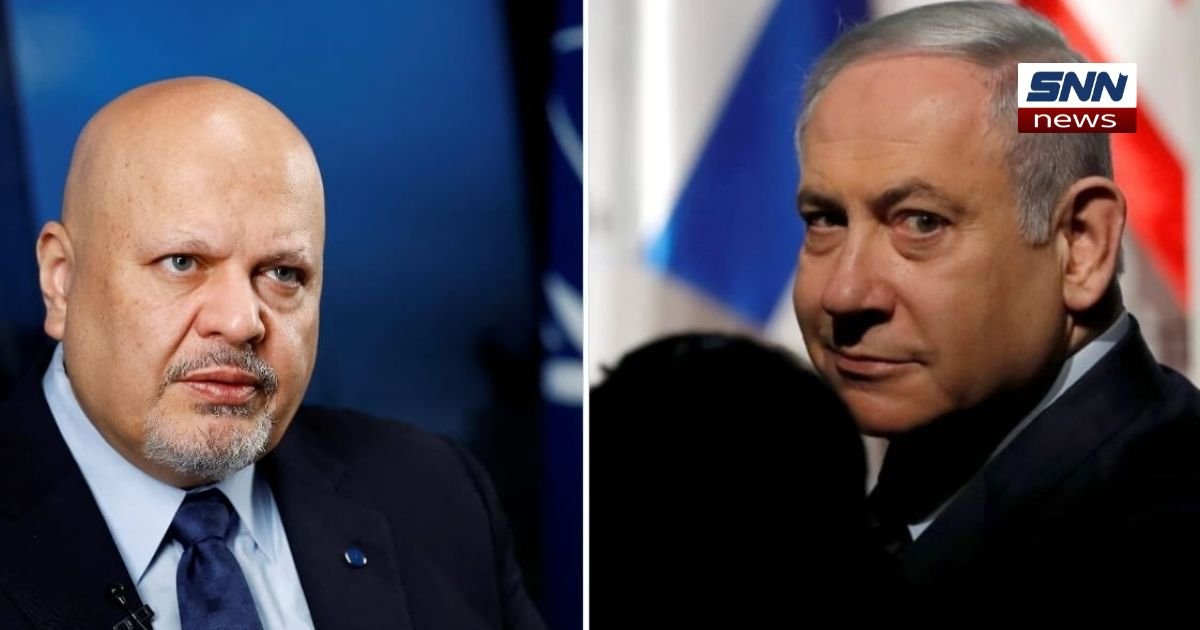
Khan’s office issued arrest warrant applications for Israeli Prime Minister Benjamin Netanyahu and former Defense Minister Yoav Gallant in May 2024 over alleged war crimes in Gaza. The Trump administration later sanctioned Khan and several ICC staff. Those warrants remain legally active only ICC judges, not the Assembly, can revoke them. Khan’s office also issued a 2023 warrant for Russian President Vladimir Putin, who has faced no comparable removal campaign.
Human Rights Watch’s international justice director, Liz Evenson, said the ICC “is more than any one person” and that governments should protect the court’s independence, per the official HRW statement.
FAQ
Why was ICC Prosecutor Khan removed?
Member states voted 82-13-15 after finding Khan committed serious misconduct involving a subordinate staff member.
Is this the first ICC prosecutor removal?
Yes — the first in the court’s 24-year history.
Does this cancel the Netanyahu and Gallant warrants?
No. Only ICC judges can revoke those warrants; they remain active.
Does Khan accept the outcome?
No. His legal team disputes the findings and the fairness of the process.
Who runs the ICC Prosecutor’s office now?
Deputy prosecutors Nazhat Shameen Khan and Mame Mandiaye Niang, pending a new election.
What happens next after ICC Prosecutor Khan’s removal
The Assembly is expected to open nominations for a new chief prosecutor in the coming weeks, while the two deputy prosecutors jointly run the office. The case has intensified debate over the ICC’s independence amid a separate, stated US campaign to challenge the court.
For more on how the ICC’s warrants against world leaders have played out, see our earlier report on Ukraine’s accusations against Russian officials and the court’s growing legitimacy questions.
About The Author