

By Hammad Kahlun
Scandinavian news Finland
CEUTA, Spain The Ceuta migrant crisis escalated sharply this week after Spanish authorities said an estimated 50,000 to 60,000 people crossed from Morocco into the small North African enclave within roughly 24 hours, triggering a military deployment and a wave of expulsions.
Ceuta Migrant regional president, Juan Jesús Vivas, said about 60,000 migrants had entered the territory in the past day, a figure equivalent to 70% of the city’s regular population.
Spain’s Interior Ministry gave a lower estimate of roughly 50,000. Local authorities said at least 34 people died in the crossing, many by drowning.
What Triggered the Ceuta Migrant Crisis
Officials in Ceuta and Madrid linked the surge to a recent Spanish Supreme Court ruling that migrants arriving by sea cannot be summarily deported, unlike those crossing by land or over the border fence.
Prime Minister Pedro Sánchez said smugglers appeared to have misrepresented that ruling to people seeking to cross.
Sánchez described the crossing as “a violation of Spain’s territorial integrity” and blamed human trafficking networks for the deaths. He said the government would use “all the instruments of the state” to restore order in Ceuta.
Spain’s Response: Troops and Deportations
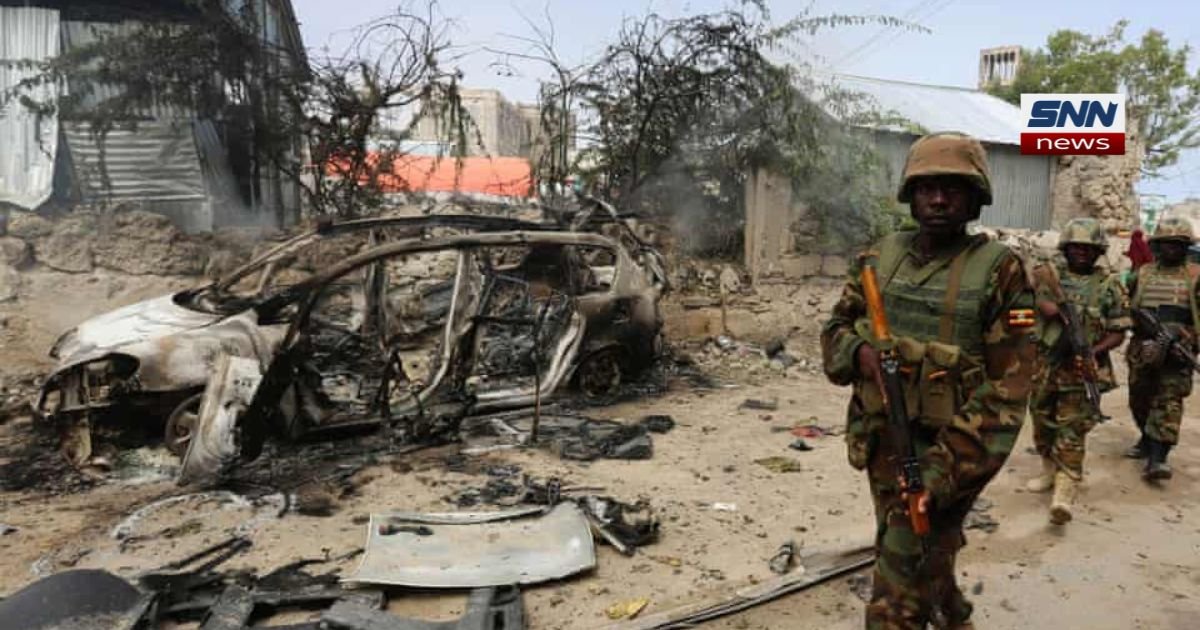
Spain’s government said it would deploy the army to Ceuta to reinforce security after the crossings.
Authorities said they would try to expel those who entered illegally as quickly as possible, despite the Supreme Court’s restriction on returning sea arrivals.
Around half of those who crossed had already been returned to Morocco, according to Spain’s Interior Ministry.
Some regional outlets have reported that migrants who breached the Ceuta Migrant border this week will be barred from Spain’s ongoing mass regularization program, which offers a renewable one-year residence permit to undocumented migrants who arrived before January 2026.
This specific exclusion has not yet been confirmed by Spain’s Interior Ministry in on-the-record statements reviewed by this agency, so it should be treated as unverified pending official confirmation.
Political Fallout Across Europe
The crisis has spilled beyond Spain’s borders. Italian Prime Minister Giorgia Meloni threatened to suspend Italy’s Schengen border agreement with Spain “to defend our borders,” even though Italy does not share a land border with Spain.
French Interior Minister Laurent Nunez said France would tighten border checks with Spain as well.
Madrid rejected any link between the unrest and its immigration policy.
The Spanish government issued a statement dismissing claims that the crisis was connected to its regularization program, calling such claims false.
Domestically, opposition figures have used the crisis to attack Sánchez. Vox leader Santiago Abascal and Popular Party leader Alberto Núñez Feijóo have both linked the surge to the government’s migration stance, while Sánchez’s office maintains the two issues are unrelated.
Key Facts
- An estimated 50,000–60,000 migrants crossed from Morocco into Ceuta within roughly 24 hours.
- At least 34 people died attempting the crossing, mostly by drowning.
- Spain deployed its military to Ceuta and says about half of arrivals have already been returned to Morocco.
- Italy and France have both signaled tighter border controls in response.
- Spain’s government denies the crisis is connected to its separate migrant regularization program.
- Ceuta Migrant
FAQs:
What caused the Ceuta migrant crisis?
A Spanish Supreme Court ruling limiting summary deportation of sea arrivals, combined with alleged trafficking network activity, preceded the surge, according to Spanish officials.
How many migrants crossed into Ceuta?
Estimates range from about 50,000 (Interior Ministry) to 60,000 (Ceuta’s regional president) within a single 24-hour period.
Is Spain deporting the migrants who crossed?
Yes. Authorities say roughly half have already been returned to Morocco, and further expulsions are ongoing.
Are these migrants eligible for Spain’s regularization program?
Some reports say they will be excluded, but this has not been officially confirmed by Spain’s Interior Ministry as of publication.
How have other European countries reacted?
Italy and France have both said they will tighten border controls with Spain in response to the crisis.
How the Ceuta Crisis Compares to Other Border Tensions
Some commentators have drawn a parallel between events in Ceuta Migrant and Finland’s border standoff with Russia, where Helsinki has accused Moscow of steering migrant flows toward its territory as part of a broader campaign of pressure since 2023.
That comparison reflects Finland’s own official position rather than an independently confirmed set of facts, and Moscow rejects the characterization.
Similarly, describing Morocco’s role in the Ceuta Migrant surge as deliberate “border terrorism” is a characterization used by some critics of Rabat and Madrid’s policies rather than an established finding by any investigating authority, and it should be read as opinion, not confirmed fact.
Ceuta Migrant crossings surge past 50,000 in 24 hours as Spain deploys troops and begins mass deportations back to Morocco amid EU fallout.
About The Author