
By Riffat Kausar
Snn News Finland
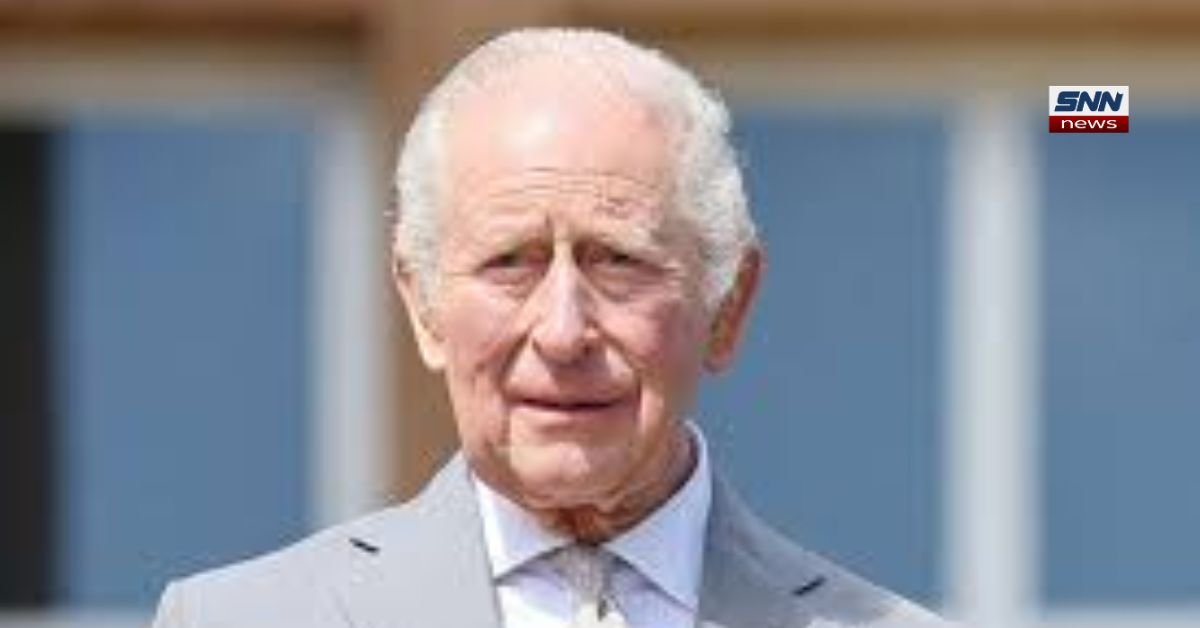
Live On-Air Error Sparks Confusion Over King Charles III Death Rumor in the UK
A British radio station briefly caused confusion and alarm after mistakenly announcing live on air that King Charles III had died.
The incident occurred during a scheduled broadcast when the station unintentionally activated a pre-prepared emergency protocol used for reporting the death of a monarch.
The broadcaster, identified as Radio Caroline, reportedly played the national anthem “God Save the King” immediately after the false announcement.
The station then went off-air for approximately 15 minutes before resuming normal programming.
The incident was quickly clarified, confirming that King Charles III is alive, and that the announcement was the result of a technical or procedural error rather than verified news.
What Happened During the Broadcast
The incident unfolded during a live transmission when listeners suddenly heard a formal announcement suggesting that the British monarch had passed away.
Without confirmation or verification, the station also played “God Save the King,” a traditional national anthem used in official royal mourning or ceremonial contexts.
Shortly after the announcement:
- The broadcast abruptly cut off
- The station remained silent for around 15 minutes
- Programming later resumed without the original claim
The sudden sequence of events led to confusion among listeners, with many initially unsure whether the news was genuine.
Emergency Protocol Mistakenly Triggered
According to initial explanations, the situation was caused when the station accidentally activated a pre-set broadcasting protocol designed for announcing the death of a monarch.
Media organizations in the United Kingdom often maintain prepared scripts and audio segments for major national events involving the Royal Family.
These protocols are intended for immediate use only when a verified royal death occurs, ensuring coordinated nationwide coverage.
In this case, the protocol was triggered without confirmation, leading to the premature and incorrect announcement.
Key factors involved in the incident:
- Activation of a pre-recorded emergency broadcast system
- Lack of verification before airing sensitive content
- Automatic airing of national anthem audio
- Temporary interruption of regular programming
Clarification and Correction of the False Announcement
Following the incident, it became clear that the announcement was incorrect. King Charles III has not died, and there has been no official confirmation or reporting from any verified UK government or royal source regarding such an event.
The station later resumed normal broadcasting, and the situation was understood to be a technical or procedural mistake rather than a factual news report.
Broadcasting authorities in the UK typically require strict verification procedures before airing sensitive or high-impact information, especially regarding members of the Royal Family.
About Radio Caroline and Its Broadcasting Legacy
Radio Caroline is a well-known British radio station with a long and unusual history. It originally gained fame in the 1960s as a pirate radio station broadcasting from ships outside UK territorial waters.
It played a major role in shaping modern commercial radio in the country.
Today, the station operates legally and continues to broadcast music and entertainment content.
However, like all broadcasters, it is expected to follow strict editorial and verification standards when handling breaking news or emergency content.
Why Royal Death Protocols Exist in UK Media
In the United Kingdom, the death of a monarch is considered one of the most significant national events. As a result, broadcasters, government departments, and media organizations prepare detailed contingency plans in advance.
These plans include:
- Pre-written news scripts
- Scheduled programming changes
- National mourning protocols
- Immediate flag and anthem guidelines
- Coordination with Buckingham Palace announcements
Such systems ensure that when an official royal death is confirmed, news can be delivered quickly and consistently across all media platforms.
However, these systems rely heavily on strict activation controls to prevent misinformation, making accidental triggers highly sensitive.
Public Reaction and Media Attention
Although the false announcement was corrected quickly, the incident drew attention on social media and among news audiences.
Many users expressed concern over how easily sensitive protocols can be triggered without confirmation.
Media experts note that incidents like this highlight the importance of:
- Strong editorial checks before broadcasting
- Clear verification chains for major announcements
- Safeguards in automated broadcasting systems
- Avoiding reliance on single-trigger emergency scripts
While no harm was reported, the situation briefly demonstrated how quickly misinformation can spread in live broadcasting environments.
Importance of Verification in Modern News Broadcasting
The incident involving King Charles III underscores a broader issue in modern media: the need for careful verification before publishing or airing high-impact news.
In an era where information spreads instantly through radio, television, and digital platforms, even small errors can lead to widespread confusion.
Broadcasting organizations are typically required to follow:
- Multi-source confirmation procedures
- Editorial approval before major announcements
- Real-time fact-checking systems
- Emergency protocol safeguards
These steps are especially important when reporting on global figures such as the British monarch.
Conclusion: A Technical Error, Not Real News
The false announcement of King Charles III’s death was ultimately confirmed to be an accidental activation of a broadcast protocol rather than factual reporting.
The situation was corrected within minutes, and normal programming resumed shortly after.
While the incident caused brief confusion, it also highlighted the importance of strict verification standards in journalism and broadcasting, particularly when dealing with sensitive national or royal news.
King Charles III remains alive, and no official statement or credible source has confirmed any such event.
/uk-radio-station-king-charles-death-announcement-error-live-broadcast
About The Author