
By Hammad Kahlun
Scandinavian news Finland
Harvard Graduate Draws Attention to Young People Impacted by Conflict and Displacement
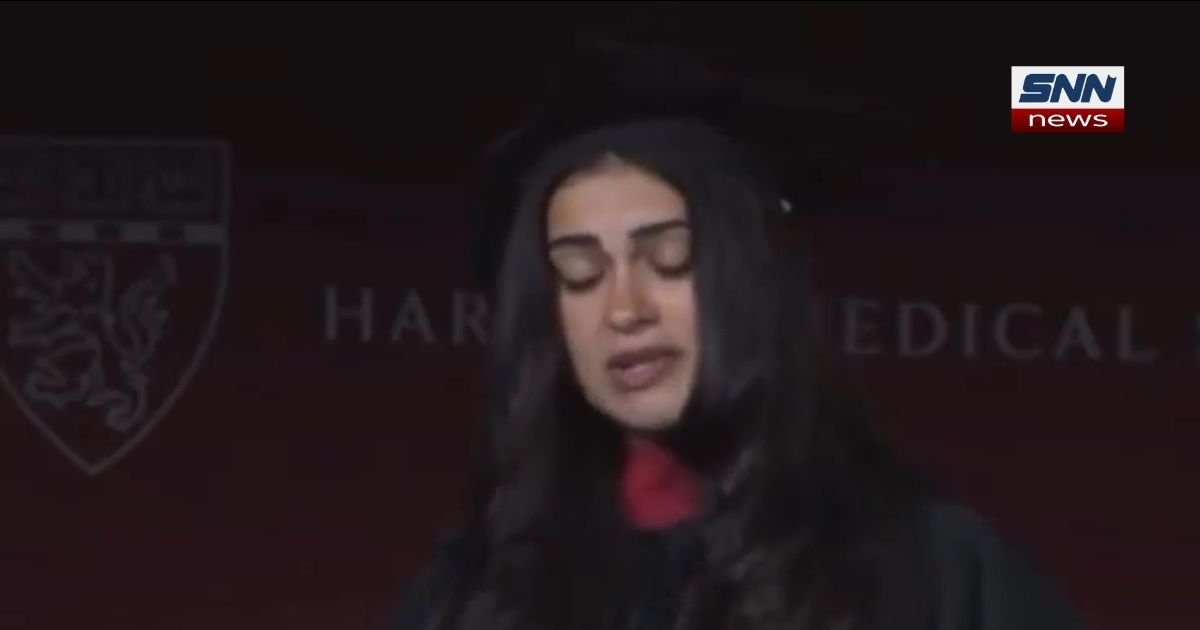
A graduation ceremony at Harvard Medical School became a platform for a broader message about education, conflict, and opportunity when Lebanese graduate Leen Ezzeddine used her commencement speech to draw attention to students living through war in Gaza and southern Lebanon.
Addressing fellow graduates, faculty members, families, and guests, Ezzeddine opened her remarks with a greeting that connected communities separated by geography but linked by shared struggles and aspirations.
“Peace be upon you. From the students of Harvard, to the youth of Dahieh, to the sons of Nabatieh, and the people of Tyre,” she said, acknowledging both her academic peers and communities in Lebanon that have experienced conflict and instability.
The speech quickly gained attention for its focus on the unequal realities faced by young people around the world and the role that education can play in creating opportunities despite difficult circumstances.
A Message Rooted in Personal Experience
Ezzeddine, who comes from Arabsalim, a town in southern Lebanon, reflected on her own educational journey while emphasizing that many students do not have access to the same opportunities she received.
Speaking at one of the world’s most recognized Harvard medical institutions, she encouraged graduates to recognize that success is often shaped not only by talent and hard work but also by circumstances beyond an individual’s control.
She described the opportunities available to Harvard students as influenced by what she called “arbitrary luck and circumstance,” noting that many young people living in conflict zones face barriers that can prevent them from pursuing their education.
Her remarks highlighted students in Gaza and southern Lebanon who continue to deal with the consequences of war, displacement, damaged infrastructure, and disruptions to schools and universities.
Education in Conflict Zones Remains a Global Concern
The speech comes at a time when international organizations continue to express concern about the impact of armed conflict on education.
Across several regions affected by violence, students face interrupted learning, damaged educational facilities, and limited access to academic resources.
Humanitarian groups have repeatedly warned that prolonged conflicts can create lasting educational gaps that affect future generations.
For many young people living in affected areas, access to higher education becomes significantly more difficult due to economic hardship, displacement, safety concerns, and the destruction of public services.
Ezzeddine’s speech focused on these realities, drawing attention to the contrast between students celebrating academic achievements and those struggling to continue their education under challenging conditions.
Harvard Graduation Speech Highlights Resilience
One of the most notable moments of the address came when Ezzeddine reflected on her own presence at the graduation podium.
She described her journey as evidence of resilience and perseverance despite the obstacles that many people from conflict-affected regions encounter.
According to Ezzeddine, her appearance on the stage represented “what survives the border, the bomb, and the exile,” emphasizing the determination of individuals who continue pursuing education despite displacement and uncertainty.
The statement resonated with many attendees because it connected personal achievement with broader social and humanitarian issues.
Rather than focusing solely on individual success, the speech highlighted the collective experiences of communities that continue to face hardship.
Southern Lebanon and Ongoing Challenges
Southern Lebanon has experienced periods of conflict and instability for decades.
Communities in cities and towns such as Tyre, Nabatieh, and surrounding areas have often found themselves affected by regional tensions.
Residents in these areas have faced challenges that include economic uncertainty, infrastructure damage, and disruptions to daily life.
Educational institutions are frequently among the sectors impacted during periods of escalation.
For students, these conditions can create significant obstacles to academic progress.
Access to classrooms, learning materials, and stable educational environments often becomes more difficult during times of conflict.
By mentioning these communities in her speech, Ezzeddine sought to bring international attention to the experiences of young people whose educational opportunities may be limited by circumstances beyond their control.
The Importance of Representation in Higher Education
Educational experts have long argued that representation matters in higher education, particularly for students from regions affected by conflict, poverty, or displacement.
Graduates who share their experiences on international stages can help raise awareness about issues that might otherwise receive limited attention.
Ezzeddine’s speech reflected this principle by connecting her personal achievement with the experiences of others from similar backgrounds.
Her message suggested that educational success should not be viewed solely as an individual accomplishment but also as a reminder of the barriers many students continue to face worldwide.
Key Themes from the Speech
Several important themes emerged from Ezzeddine’s address:
- Equal access to education remains a global challenge.
- Conflict continues to disrupt learning opportunities for millions of students.
- Academic success is often influenced by circumstances beyond personal effort.
- Students from conflict-affected regions demonstrate remarkable resilience.
- Higher education institutions can help amplify underrepresented voices.
- Harvard
These themes align with ongoing international discussions about educational equality, humanitarian crises, and the long-term impact of conflict on young people.
Broader Impact of the Commencement Address
Harvard Graduation speeches often focus on personal growth, professional goals, and future achievements. However, Ezzeddine used her platform to broaden the conversation and encourage reflection on global inequalities.
Her remarks served as a reminder that educational opportunities are not distributed equally around the world.
While some students celebrate graduation ceremonies at leading universities, others continue to face challenges simply accessing classrooms and educational resources.
The speech also highlighted the importance of empathy and awareness in academic communities. By connecting students at Harvard with young people in Gaza and southern Lebanon, Ezzeddine encouraged graduates to think beyond their immediate experiences.
Looking Ahead
As Harvard Medical School graduates move into careers in healthcare, research, and public service, Ezzeddine’s message may continue to resonate with those who heard it.
Her speech emphasized that education has the power not only to transform individual lives but also to draw attention to communities facing hardship and uncertainty.
By sharing her story and acknowledging those whose educational journeys have been disrupted by conflict, Ezzeddine turned a personal milestone into a broader call for recognition, opportunity, and hope.
The address underscored a simple but powerful idea: talent and ambition exist everywhere, but access to opportunity does not.
For many observers, that message became one of the defining moments of the Harvard Medical School graduation ceremony.
/leen-ezzeddine-harvard-graduation-speech-gaza-southern-lebanon-students/
About The Author