
By Riffat Kausar,
Scandinavian News Agency
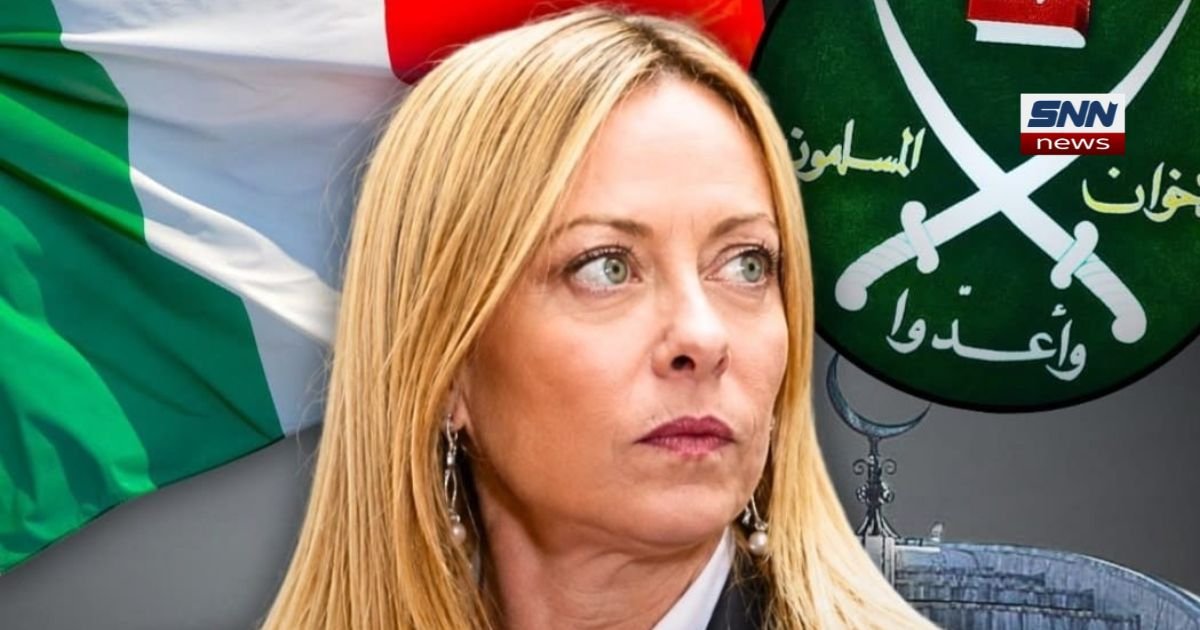
A Muslim Brotherhood investigation in Italy has put a spotlight on networks operating around Milan and Turin, according to a report reviewed by SNN News Finland.
Investigators reportedly identified the Egyptian branch of the Brotherhood as particularly active in the corridor between the two northern Italian cities.
The inquiry names several local organizations. The Italian Islamic Alliance, based in Sesto San Giovanni near Milan, has been described by investigators as part of a Brotherhood-linked mutual-support network.
A second group, Young Muslims of Italy, is said to be closely tied to the same movement.
The investigation reportedly also connects Brotherhood-associated figures to fundraising activity and pro-Palestinian mobilization efforts in the region.
Charity Fundraising at the Center of the Case
Italian authorities have separately targeted a network led by Mohammad Hannoun, president of the Association of Palestinians in Italy and founder of ABSPP, a Genoa-based charity that publicly raises funds for humanitarian aid to Palestinians.
Prosecutors allege that Hannoun and his associates used charitable fundraising as cover to funnel more than €7 million to Hamas and Hamas-linked organizations, according to the investigation cited in the report.
Nine people were arrested and more than €8 million in assets were seized, the report states.
As with any ongoing legal proceeding, the arrests reflect prosecutorial allegations rather than a court finding, and none of the named individuals have been convicted.
Attempts to independently reach Hannoun or his representatives for comment were not detailed in the available report.
Political Response: New Funding Rules Proposed
Matteo Salvini’s League party is reportedly preparing new measures aimed at foreign funding of religious organizations, including mosques, associations, and imams, amid concerns raised by the investigation about Brotherhood-linked financing.
Details of the proposed legislation, including its scope and timeline, were not specified in the source material reviewed.
Key Facts
- Investigators reportedly linked Brotherhood-associated networks to activity between Milan and Turin
- Two organizations the Italian Islamic Alliance and Young Muslims of Italy were named in the inquiry
- Prosecutors allege more than €7 million was funneled to Hamas-linked groups via charity fundraising
- Nine people were arrested and over €8 million in assets seized
- Italy’s League party is preparing new rules on foreign funding of religious organizations
- Muslim Brotherhood
FAQs:
What is the Muslim Brotherhood investigation in Italy about?
Italian authorities are examining alleged Muslim Brotherhood-linked networks and charity fundraising activity in Milan and Turin, including claims that funds were diverted to Hamas-linked groups.
Who is Mohammad Hannoun?
He is the president of the Association of Palestinians in Italy and founder of ABSPP, a Genoa-based charity now facing prosecutorial allegations tied to the case.
Has anyone been convicted?
No. Nine people were arrested and assets seized, but arrests represent allegations, not convictions, under Italian law.
Is the Muslim Brotherhood banned in Italy?
No indication of an Italy-wide ban appears in the available report; the movement is banned in several Middle Eastern and Gulf countries, including Egypt, Saudi Arabia, and the UAE.
What is Italy’s League party proposing?
Reports indicate the League is preparing measures to regulate foreign funding of mosques, religious associations, and imams, though full legislative details were not confirmed.
Muslim Brotherhood: Global Reach and Contested Reputation
The Muslim Brotherhood maintains hubs in London and Istanbul and has drawn financial and political backing from Qatar, according to the report.
Critics and several governments describe it as the largest and most organized Islamist political movement globally, and accuse it of fueling extremism in parts of the West, Africa, and the Middle East.
The Brotherhood and its supporters dispute this framing, describing the organization as a religious and political movement advocating for Islamic governance principles through participation in civil society and, in many of its branches, explicitly renouncing violence.
The movement is formally banned in the United Arab Emirates, Saudi Arabia, Jordan, Egypt, and several other countries in the region, a designation the group and some human rights observers have criticized as politically motivated.
Muslim Brotherhood investigation Italy
About The Author