
By Hammad Kahlun
Scandinavian news Finland
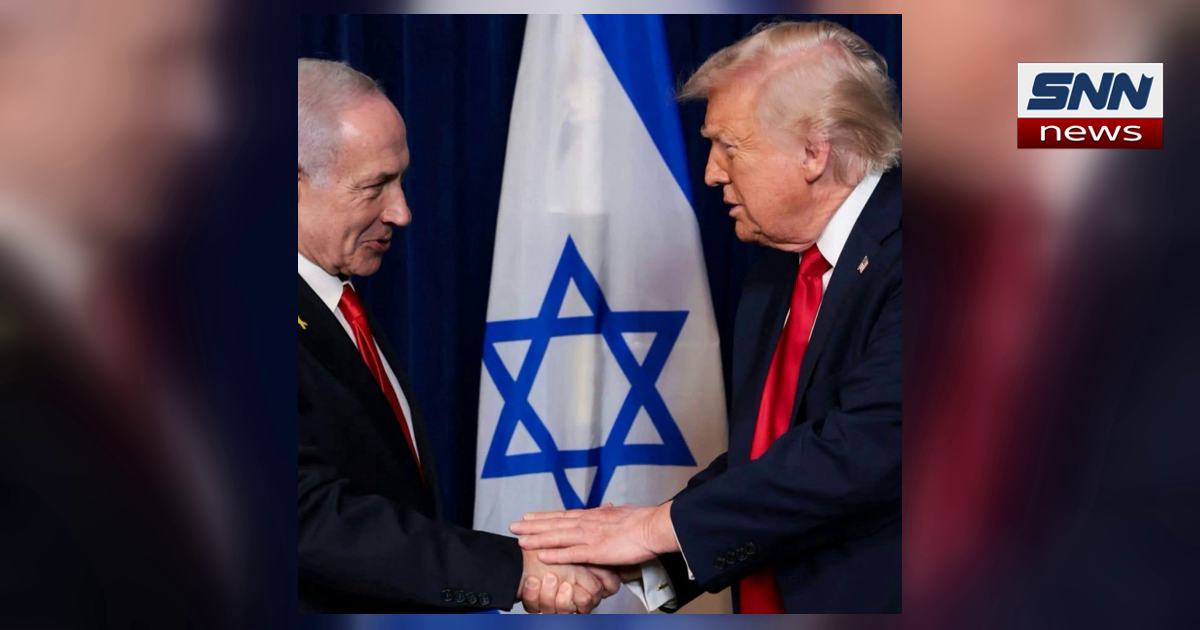
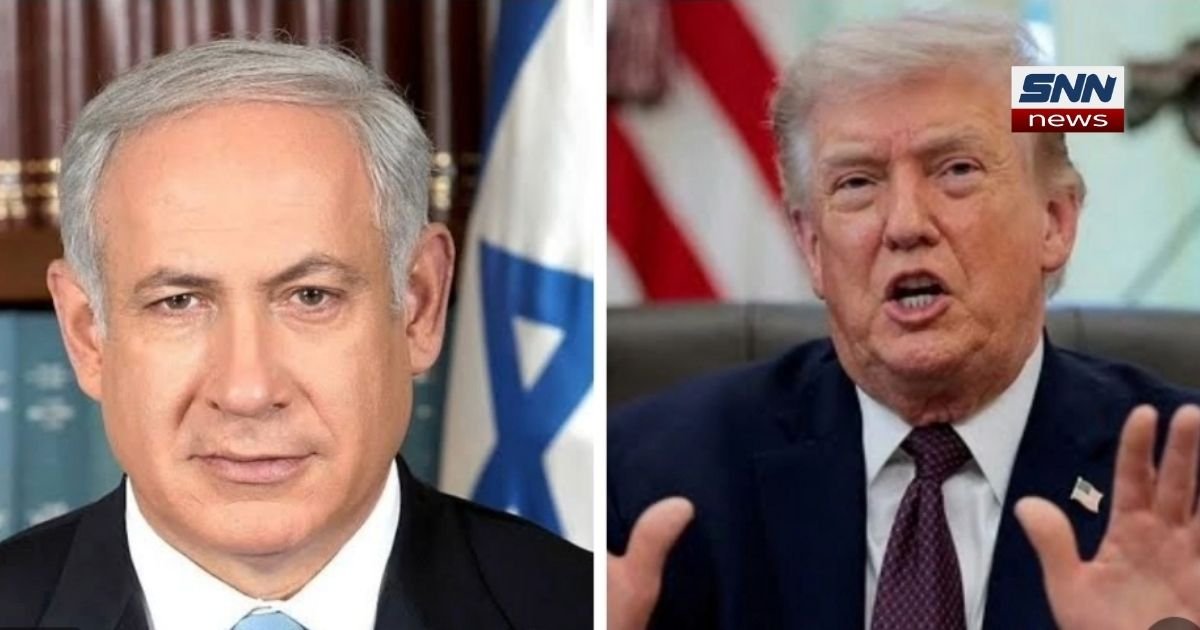
Netanyahu’s remarks on Military Aid have reignited debate over whether Israel can move toward greater defense independence while maintaining its strategic partnership with the United States.
Israeli Prime Minister Benjamin Netanyahu has renewed discussion about the future of United States military assistance to Israel after indicating that the country should gradually reduce its reliance on American aid over the coming decade.
The comments have generated debate among political analysts, policymakers, and critics who view the statement through different lenses.
Supporters describe the idea as a move toward greater self-reliance, while critics argue that it overlooks the scale of historical US support provided to Israel over many decades.
What Netanyahu Said
In recent interviews, Netanyahu stated that Israel deeply appreciates the military assistance it has received from the United States but believes the country has developed significant economic and defense capabilities of its own.
According to reports, Netanyahu said Israel has “come of age” and should gradually reduce its dependence on American military aid over the next ten years. He outlined a future vision in which Israel would no longer rely on direct Military Aid .
The remarks were presented as part of a broader vision in which Israel would expand its domestic defense industry and strengthen independent military production.
US Aid to Israel Remains a Major Part of the Relationship
The United States and Israel have maintained one of the closest strategic partnerships in the Middle East for decades. Military cooperation, intelligence sharing, missile defense programs, and security coordination have formed key pillars of the relationship.
Under a memorandum of understanding signed in 2016, the United States committed $38 billion in military assistance to Israel over a ten-year period running through 2028. The package includes funding for defense equipment and missile defense programs.
While annual aid figures are publicly documented, estimates regarding the total value of American support to Israel over longer periods vary depending on methodology, inflation adjustments, and whether military, economic, and emergency assistance are counted together.
Analysts generally agree that Israel has been one of the largest cumulative recipients of US foreign assistance since its establishment.
Critics Question the Timing of the Statement
Netanyahu’s comments have attracted criticism from opponents who argue that discussing independence from aid after decades of significant American support sends mixed messages.
Some critics contend that statements about ending dependence should be viewed in the context of Israel’s long history of receiving military assistance and strategic backing from Washington. Others question whether a complete phaseout is realistic given ongoing regional security challenges.
Political commentators have also noted that debates over aid frequently emerge during periods of changing public opinion and shifting political dynamics in both countries. However, there is no consensus regarding what effect Netanyahu’s proposal could have on future US-Israel relations.
Supporters See a Push for Self-Reliance
Supporters of Netanyahu’s position argue that reducing reliance on foreign military assistance would give Israel greater strategic flexibility and strengthen domestic defense production.
Israel’s defense sector is already a major exporter of military technology, including missile defense systems, surveillance technologies, and advanced security equipment. Advocates of a gradual transition say a stronger domestic industry could reduce dependence on external suppliers while supporting economic growth.
Netanyahu has previously emphasized the importance of developing Israel’s own defense capabilities and expanding local production capacity. Reports indicate that Israeli officials have discussed substantial investments in domestic military manufacturing over the coming years.
Broader Implications for US-Israel Relations
Experts note that reducing direct military aid would not necessarily mean a reduction in strategic cooperation between the two countries.
The United States and Israel maintain extensive ties that extend beyond financial assistance. Areas of cooperation include:
- Intelligence sharing
- Missile defense development
- Counterterrorism coordination
- Defense technology partnerships
- Regional security planning
- US Military Aid
As a result, analysts suggest that even if military aid were gradually reduced, broader security cooperation could remain intact.
Political Debate Continues
The discussion surrounding Netanyahu’s remarks highlights broader questions about national self-sufficiency, foreign assistance, and long-term strategic partnerships.
Supporters view the proposal as evidence of Israel’s growing economic and US Military Aid strength. Critics argue that any conversation about ending aid must acknowledge the extensive support provided by American taxpayers and successive US administrations over many decades.
For now, no formal policy change has been implemented, and the existing US military aid framework remains in place through its current agreement period. Any significant changes would require further political discussions and negotiations between both governments.
Looking Ahead
Netanyahu’s comments have reignited debate over the future of one of the world’s most closely watched strategic relationships.
Whether the proposal eventually becomes policy remains uncertain, but it has already prompted renewed discussion about the balance between foreign assistance and national self-reliance.
As policymakers in both countries evaluate future security needs, the question of how Israel and the United States define their partnership in the coming decade is likely to remain an important topic in international affairs.
Read More: How US Military Aid Has Shaped Israel’s Defense Strategy Over the Decades
About The Author