
By Hammad Kahlun
Scandinavian news Finland
Iran Signals Diplomatic Progress Ahead of Asim Munir’s Tehran Visit
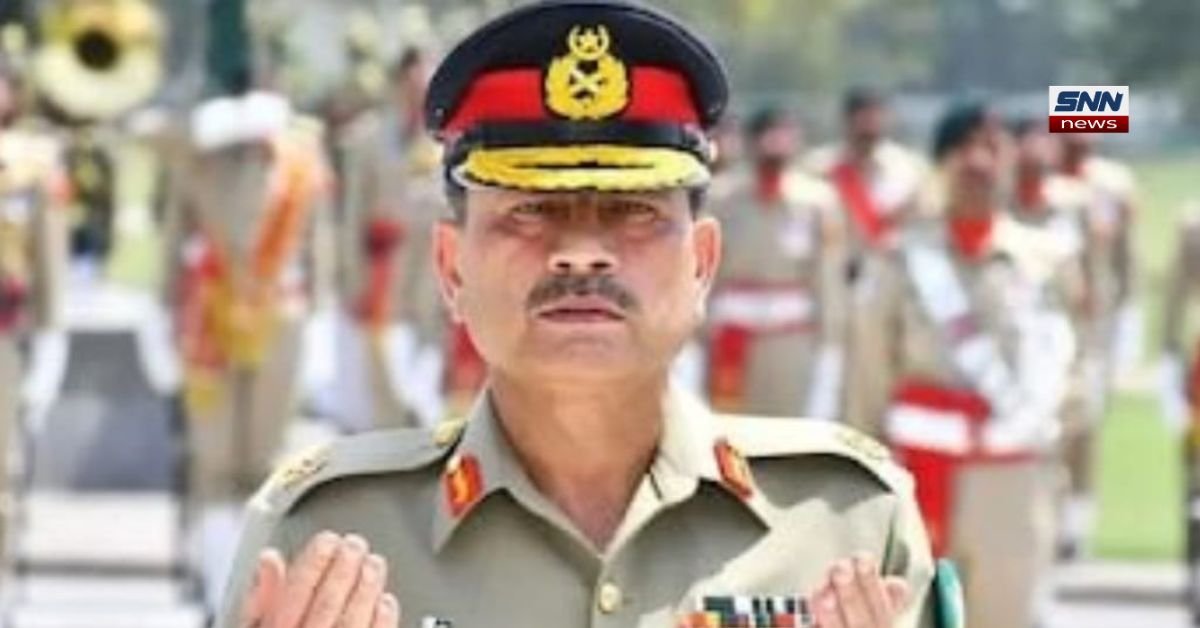
Pakistan’s Army Chief, Field Marshal Asim Munir, is expected to travel to Tehran as Iran prepares its official response to a recent proposal from the United States, according to Iran’s state-affiliated ISNA news agency.
The reported visit comes at a sensitive moment in regional diplomacy as Tehran continues discussions surrounding security guarantees, political understandings, and confidence-building measures linked to ongoing indirect negotiations with Washington.
ISNA reported on Thursday that Asim Munir’s visit is intended to support mediation efforts and help reduce remaining differences between Iran and the United States.
Iranian officials are currently finalizing their response to the latest U.S. proposal, which reportedly addresses several key areas under discussion between the two sides.
The development has attracted attention across South Asia and the Middle East because Pakistan has historically maintained diplomatic and security ties with both Iran and the United States.
Iran Reviewing U.S. Proposal as Negotiations Continue
According to ISNA, Tehran’s response is being prepared around “the overall framework, some details, and confidence-building measures as guarantees.”
The report suggested that while some progress has been made, several important disagreements remain unresolved.
Iranian officials reportedly believe that the latest U.S. proposal has narrowed certain gaps in negotiations.
However, the agency added that meaningful progress would require easing military tensions and moving away from threats of conflict from the U.S. side.
The statement reflects ongoing tensions between Tehran and Washington, despite recent diplomatic efforts aimed at preventing escalation in the region.
Although the exact details of the proposal have not been publicly disclosed, discussions are believed to involve broader regional security concerns, sanctions-related issues, and mechanisms intended to prevent future confrontation.
Role of Pakistan in Regional Diplomacy
Pakistan has often attempted to maintain balanced relations with competing regional and global powers.
Analysts say Islamabad’s involvement in diplomatic communication between Iran and the United States reflects its broader interest in regional stability.
Field Marshal Asim Munir’s reported visit to Tehran could signal Pakistan’s willingness to support de-escalation efforts during a period of uncertainty in the Middle East.
Pakistan shares a long border with Iran, and both countries cooperate on border security, trade, and counterterrorism issues.
Stability in Iran is also considered strategically important for Pakistan because regional conflict could affect trade routes, energy cooperation, and internal security dynamics.
Diplomatic observers note that Islamabad has previously offered mediation support in regional disputes, particularly when rising tensions threatened wider instability.
Tehran Seeking Guarantees and Confidence-Building Measures
The ISNA report emphasized that Iran’s response focuses heavily on guarantees and confidence-building mechanisms.
Such measures are often considered essential in sensitive international negotiations where trust between parties remains limited.
Key Issues Reportedly Under Discussion Include:
- Security assurances
- Diplomatic guarantees
- Regional military tensions
- Future communication channels
- Broader framework agreements
- Steps to reduce escalation risks
- Army Chief Asim Munir
Iran has repeatedly stated in recent years that any agreement with the United States must include practical guarantees that commitments will be respected over time.
Political analysts say confidence-building measures are especially important because relations between Tehran and Washington have experienced repeated breakdowns over the past decade.
Asim Munir’s Visit Draws International Attention
Field Marshal Asim Munir has remained an influential figure in Pakistan’s national security and foreign policy discussions since assuming leadership of the Pakistan Army Asim Munir.
His potential involvement in diplomatic outreach toward Tehran is being closely watched by regional analysts, particularly because military Asim leadership in Pakistan often plays a significant role in strategic and security matters.
The visit could also strengthen communication between Islamabad and Tehran at a time when regional alliances and geopolitical relationships continue to evolve.
Neither Pakistani authorities nor Iranian officials have publicly released a detailed agenda for the visit. However, reports indicate that discussions may include:
Possible Topics During the Tehran Meetings
- Regional peace and stability
- Iran-U.S. negotiations
- Border security cooperation
- Counterterrorism coordination
- Economic and trade relations
- Diplomatic de-escalation efforts
- Army Chief Asim Munir
Middle East Tensions Continue to Shape Global Diplomacy
The broader diplomatic environment remains complex as countries across the Middle East face growing security concerns, shifting alliances, and economic uncertainty.
Relations between Iran and the United States have remained tense for years over issues including sanctions, military activity, and regional influence.
While indirect diplomatic contacts have continued intermittently, progress has often been slowed by political disagreements and mutual distrust.
International observers say any successful understanding between Tehran and Washington could have wider implications for global energy markets, regional security, and international diplomacy.
At the same time, the risk of military escalation remains a major concern for neighboring countries, including Pakistan.
Pakistan’s Strategic Position in the Region
Pakistan’s geographic location and political relationships place it in a unique diplomatic position. Islamabad maintains ties with Gulf countries, Iran, China, Turkey, and Western nations, giving it a potentially important role in regional dialogue.
Security experts say Pakistan has a strong interest in avoiding instability near its western border.
Increased conflict involving Iran could create economic pressure, refugee concerns, and additional security challenges for neighboring states.
For this reason, diplomatic engagement between Pakistan and Iran is often viewed as strategically significant beyond bilateral relations alone.
Iranian Media Suggests Momentum Toward Agreement
ISNA’s report suggested that current diplomatic efforts are aimed at reaching “the moment of officially announcing the acceptance of the memorandum of understanding.”
While no formal agreement has been confirmed, the language used by the Iranian news agency indicates cautious optimism regarding ongoing discussions.
However, experts caution that negotiations involving Iran and the United States have historically faced setbacks, and significant policy differences may still remain unresolved.
Officials from both sides have yet to publicly confirm final terms or timelines related to any potential understanding.
Regional Observers Monitoring Developments Closely
The reported visit by Pakistan’s Army Chief Asim comes during a period of heightened diplomatic activity across the region.
Governments, analysts, and international observers are closely monitoring developments in Tehran and Washington for signs of either progress or renewed tension.
If discussions move forward successfully, the outcome could influence diplomatic relations across the Middle East and South Asia.
For now, attention remains focused on Tehran as Iranian officials finalize their response and prepare for high-level discussions involving regional stakeholders, including Pakistan.
/pakistan-army-chief-asim-munir-tehran-iran-us-proposal-talks/
About The Author