
By Shumaila Aslam
Scandinavian News Finland
Bureau Chief Pakistan
Islamabad Prepares for High-Level Talks as Security Measures Intensify
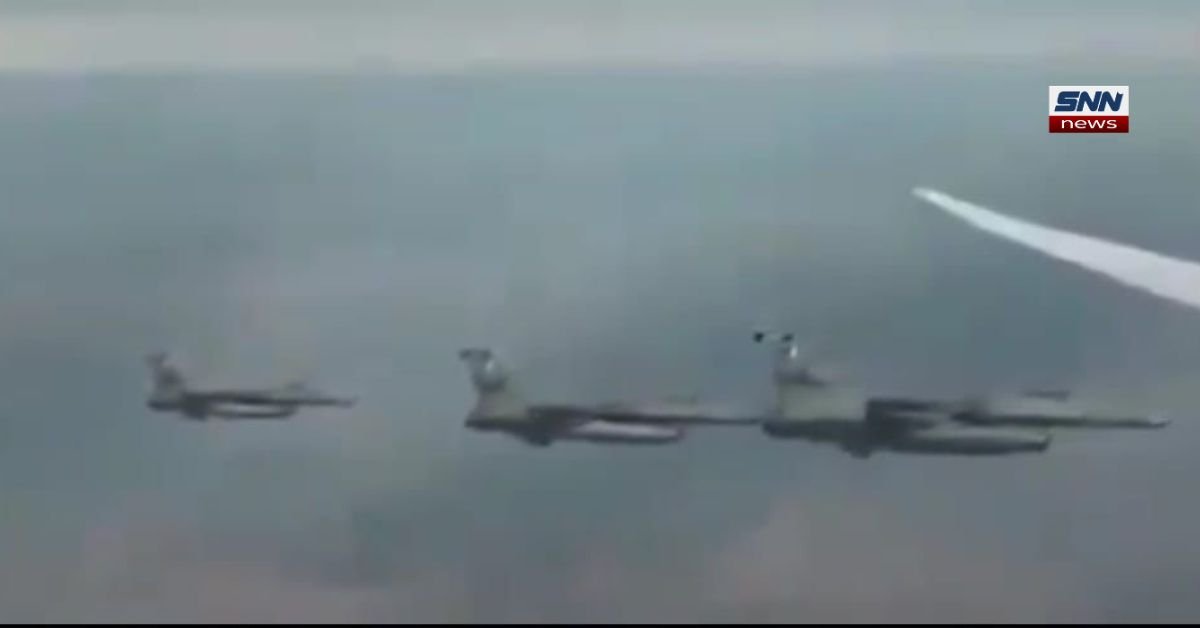
Pakistani fighter jets were reportedly deployed over Bandar Abbas in Iran to escort an Iranian delegation traveling to Islamabad, according to emerging security sources.
The move comes amid rising regional tensions and reflects heightened precautionary measures taken by Pakistan to ensure the safe arrival of Iranian officials.
The delegation, believed to include senior leadership figures such as the Speaker of Iran’s parliament, is expected to arrive in Islamabad for critical diplomatic discussions.
These talks are reportedly linked to broader geopolitical developments involving the United States and regional security dynamics.
Pakistan Air Force Establishes Protective Shield
Security officials indicate that the Pakistan Air Force (PAF) Fighter Jets has implemented a coordinated aerial security operation across strategic zones, including parts of Iran and the Persian Gulf.
This operation involves advanced fighter jets and Airborne Warning and Control Systems (AWACS), designed to monitor and neutralize potential threats.
Key elements of the operation include:
- Continuous aerial surveillance over sensitive flight corridors
- Deployment of fighter jets for real-time response
- Use of AWACS for early threat detection and coordination
- Close escort of the Iranian delegation’s aircraft
- Fighter Jets
Officials describe the operation as a “protective shield” aimed at preventing any “misadventure” that could jeopardize the delegation’s safety during transit.
Rising Concerns Over Regional Security
The extraordinary level of security reportedly stems from concerns over potential threats linked to escalating tensions involving Israel and Iran.
While no official threat has been publicly confirmed, regional analysts suggest that the current geopolitical climate has prompted precautionary actions.
Recent months have seen increased friction in the Middle East, particularly involving Iran’s strategic posture and its relations with Israel and Western allies.
These developments have had ripple effects across neighboring regions, including South Asia.
Pakistan’s decision to extend military-level protection to the Iranian delegation signals both the seriousness of the perceived risk and the importance of the diplomatic engagement taking place in Islamabad.
Strategic Importance of the Iran-Pakistan Engagement
The visit by the Iranian delegation is being viewed as diplomatically significant, particularly in the context of ongoing discussions involving the United States. While official agendas have not been fully disclosed, experts believe the talks may cover:
- Regional stability and conflict de-escalation
- Economic and trade cooperation
- Security coordination and intelligence sharing
- Broader geopolitical alignments
- Fighter Jets
Pakistan has historically maintained a delicate balance in its foreign policy, navigating relationships with both Western powers and neighboring countries like Iran. Hosting such high-level talks places Islamabad at the center of critical diplomatic efforts.
Diplomatic and Military Coordination
The reported escort mission highlights a rare instance of cross-border military coordination aimed at ensuring diplomatic continuity.
While Pakistan and Iran share a border and maintain bilateral ties, such visible military support underscores the gravity of the situation.
Defense analysts note that deploying AWACS and fighter jets beyond standard airspace monitoring reflects a proactive defense posture. This approach is typically reserved for high-risk scenarios involving sensitive state-level movements.
The involvement of advanced surveillance systems also suggests that authorities are prioritizing real-time intelligence and rapid response capabilities.
Public and Regional Impact
The development has drawn attention both domestically and internationally, as it reflects the intersection of diplomacy and military preparedness.
For the public, such measures may raise concerns about regional stability, but officials emphasize that the steps are precautionary rather than reactive.
Potential implications include:
- Increased focus on regional security cooperation
- Heightened awareness of geopolitical risks
- Reinforcement of Pakistan’s role as a diplomatic intermediary
- Signals of strategic alignment in times of uncertainty
- Fighter Jets
Observers also point out that visible security measures can serve as a deterrent, reducing the likelihood of hostile actions during sensitive diplomatic engagements.
Background: Pakistan-Iran Relations
Pakistan and Iran have maintained a complex but cooperative relationship over the years. Shared borders, economic interests, and cultural ties have contributed to ongoing engagement between the two countries.
However, regional dynamics—including sanctions, alliances, and security concerns—have occasionally influenced the depth and direction of bilateral relations.
Despite these challenges, both nations have continued to explore avenues for cooperation, particularly in trade and border security.
The current visit by the Iranian delegation may represent an effort to strengthen diplomatic ties while addressing broader regional concerns.
International Context and US Involvement
The reported discussions involving the United States add another layer of significance to the visit. As a major global actor, the US has been actively engaged in Middle Eastern affairs, including issues related to Iran’s policies and regional influence.
Pakistan’s role as a host for such discussions positions it as a potential facilitator in complex diplomatic negotiations.
This aligns with its broader foreign policy objectives of promoting stability and maintaining balanced international relationships.
Conclusion
The deployment of Pakistani fighter jets to escort an Iranian delegation marks a notable development in regional security and diplomacy.
As Islamabad prepares to host high-level talks, the extensive protective measures highlight both the importance of the visit and the challenges posed by current geopolitical tensions.
While official confirmations and detailed statements remain limited, the situation underscores the evolving nature of international relations in a volatile region.
For now, all eyes remain on Islamabad, where critical discussions may shape the next phase of regional engagement and cooperation.
Pakistan Air Force security operations, Iran Pakistan relations, Middle East regional tensions, AWACS surveillance system, Islamabad diplomatic talks
About The Author