

By Shumaila Aslam,
Scandinavian News Agency
Saudi Arabia’s East-West pipeline shutdown followed drone strikes that Riyadh’s foreign ministry says were launched from Iraq, hitting pumping stations in the Riyadh and Madinah regions. Saudi officials report injuries and damage that authorities say is still being assessed.
The kingdom’s energy ministry ordered the pipeline shut as a precautionary measure, according to the foreign ministry’s statement.
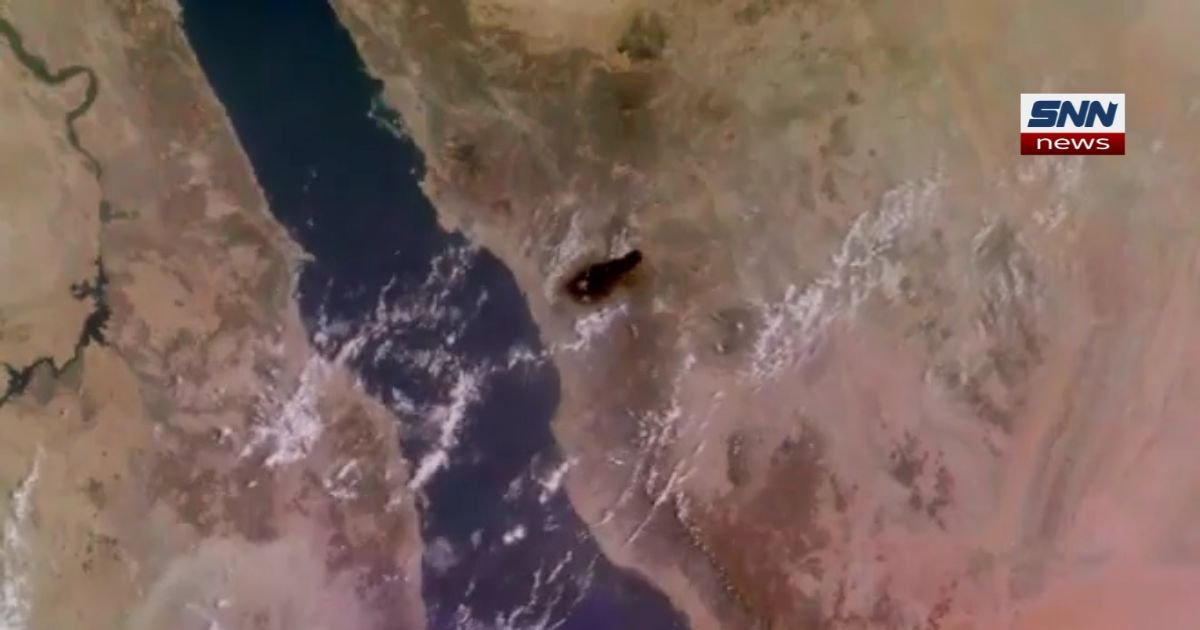
Satellite imagery cited in initial reporting reportedly shows extensive fire damage at a pumping station near Al Mesba’ah, though this imagery has not been independently reviewed by this agency.
Why the Saudi Arabia Pipeline Shutdown Matters
The East-West pipeline is described by Saudi officials as central to the kingdom’s current oil export strategy.
According to the notes provided to this agency, roughly 5 million barrels per day that would normally be loaded from Persian Gulf terminals are instead being routed overland to the Red Sea port of Yanbu, a shift attributed to the closure of the Strait of Hormuz.
This agency has not independently confirmed the Strait of Hormuz closure or the volume figures cited.
If accurate, such a closure would represent a major disruption to global oil markets, and readers should treat these specific figures as reported rather than confirmed pending further verification.
Saudi Arabia’s Response and Regional Context
Riyadh has said it will not retaliate against Iraq for now, reportedly at the request of the Iraqi prime minister, to allow Baghdad time to act against groups operating from its territory.
This framing suggests Saudi Arabia is drawing a distinction between the Iraqi state and non-state actors it holds responsible for the strikes a distinction Iraqi officials have not yet been quoted confirming or disputing in the notes provided.
Separately, reports referenced in the notes describe a Houthi advance along part of Saudi Arabia’s Red Sea coastline this week, and cite a Saudi defense ministry warning delivered to Washington in July about anticipated proxy actions linked to Iran.
None of these claims have been verified against primary sources for this article, and official Iraqi or Iranian responses were not available at the time of writing.
Key Facts
- Saudi Arabia’s foreign ministry says drones launched from Iraq struck pumping stations on the East-West pipeline
- The energy ministry shut the pipeline down as a precaution, per official statements
- Satellite imagery reportedly shows fire damage near Al Mesba’ah, per initial reporting
- Riyadh says it will hold off retaliation at Iraq’s request, per the notes provided
- Broader claims Strait of Hormuz closure, Houthi coastal gains, 1990-level production lows remain unverified by this agency
- Saudi Shuts Key Pipeline
FAQs:
What caused the Saudi Arabia pipeline shutdown?
Saudi officials attribute it to drone strikes on pumping stations, which they say were launched from Iraq. This has not been independently verified.
Has Saudi Arabia said it will retaliate?
According to the notes provided, Riyadh has said it will not retaliate for now, at Iraq’s request.
Is the Strait of Hormuz actually closed?
This claim appears in the raw notes provided but has not been independently confirmed by this agency at time of publication.
What is the East-West pipeline used for?
It is described as a route allowing Saudi crude oil to reach the Red Sea port of Yanbu, bypassing Persian Gulf shipping lanes.
When will this story be updated?
As soon as verified information becomes available from official Saudi, Iraqi, or international sources.
What Happens Next
Because so many elements of this story the Strait of Hormuz closure, the extent of pipeline damage, and the scale of the Houthi advance remain unconfirmed, this remains a developing story.
This agency will update the article as verified information from Saudi, Iraqi, and international bodies becomes available.
Saudi Arabia pipeline shutdown
About The Author