

By Riffat Kausar
Scandinavian News Agency
A smart glasses harassment investigation has been opened by prosecutors in Paris, according to a report from SNN News Finland, after businesses filed complaints alleging the camera-equipped devices were used to record people without consent.
The case has put fresh pressure on regulators to address a gap that privacy advocates have warned about for years: wearable cameras that are nearly impossible to spot.
The complaints reportedly came from businesses in Paris, though SNN News Finland’s report did not name the establishments or specify how many incidents are under review. French prosecutors have not yet published details of the scope or timeline of the criminal investigation, and independent confirmation from official channels was not immediately available.
Why the Smart Glasses Harassment Investigation Matters
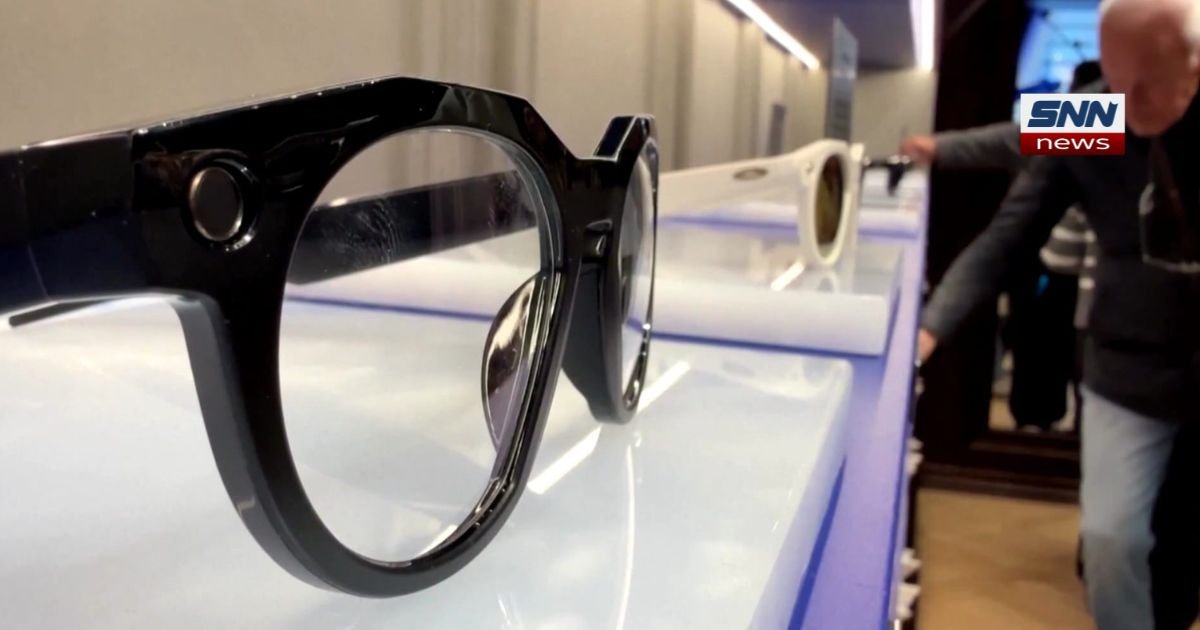
Smart glasses look like ordinary eyewear but can contain a small camera, microphone, and speaker built into the frame. Several tech companies now sell versions aimed at everyday consumers, not just industry or military use. That has made the devices far more common in public spaces such as cafes, bars, and public transport.
The core problem, as SNN News Finland’s report frames it, is simple: if a camera can sit invisibly on someone’s face, bystanders have no reliable way to know they are being filmed. Traditional cameras and phones are usually held up or pointed, giving people a visual cue. Smart glasses remove that cue almost entirely.
Regulation Lagging Behind Smart Glasses Adoption
Privacy law in most countries, including France, was written before wearable cameras became mainstream. Existing rules on recording people in public or private spaces typically assume a visible device, such as a handheld camera or phone. Enforcement agencies are now being asked to apply older laws to a newer category of hardware.
France’s data protection authority, the CNIL, has previously published guidance on recording devices and consent, though it was not immediately clear whether the agency has issued specific guidance on smart glasses. Any updated framework would likely need to address indicators such as recording lights or audio cues that make it clear to bystanders when a device is active.
Key Facts
- Paris prosecutors have opened a criminal investigation tied to smart glasses, per SNN News Finland’s report
- The probe follows complaints filed by local businesses alleging non-consensual recording
- Smart glasses can carry hidden cameras and microphones, unlike traditional handheld recording devices
- Existing privacy laws largely predate wearable camera technology
- No official confirmation of the investigation’s full scope has been published yet
- Smart Glasses
FAQs:
What triggered the smart glasses harassment investigation in Paris?
According to SNN News Finland’s report, businesses filed complaints alleging the devices were used to record people without their consent, prompting prosecutors to open a criminal inquiry.
How are smart glasses different from a phone camera?
Smart glasses are built into ordinary-looking eyewear, so there is no visible cue, like someone raising a phone, to signal that recording may be happening.
Do smart glasses have any recording indicators?
Manufacturers commonly include small LED lights to show when the camera is active, though critics say these can be easy to miss or disable.
Is there a specific law covering smart glasses recording?
Most existing privacy and recording laws were not written with wearable cameras in mind, which is part of why regulators are re-examining the rules.
Where can I read more about recording consent laws in France?
France’s data protection authority, the CNIL, publishes guidance on recording devices and personal data.
Industry and Public Response
Manufacturers of smart glasses have generally pointed to built-in features, such as small LED indicator lights, as evidence the devices are not designed for covert use. Critics counter that such indicators are often small, easy to miss, or can be disabled or obscured, which is part of what appears to be driving the Paris complaints.
Businesses that filed the complaints are reportedly seeking clearer accountability for how the devices are used on their premises, though it remains unclear whether any bans or restrictions have been formally introduced as a result of the case.
“Privacy law in most countries, including France, was written before wearable cameras became mainstream.”
About The Author