

By Hammad Kahlun
Scandinavian news Finland
Growing Diplomatic Friction Between South Korea and Israel Raises International Interest
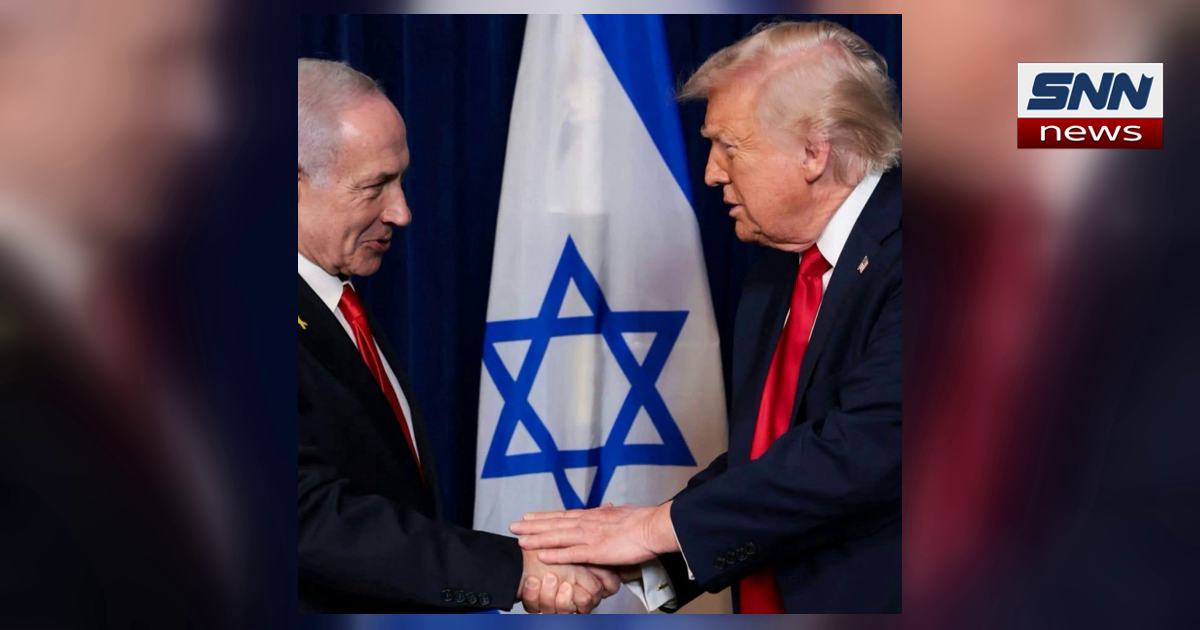
Rising tensions between South Korea and Israel are drawing increasing international attention after South Korean leadership called for a review of the International Criminal Court (ICC) warrant involving Israeli Prime Minister Benjamin Netanyahu.
The issue has emerged as one of the more closely watched but less widely discussed diplomatic developments in Asia and the Middle East.
The remarks from South Korean officials come at a time of heightened global debate over international law, wartime accountability, and foreign policy positioning among US allies.
Analysts say the situation reflects broader geopolitical shifts as countries attempt to balance strategic partnerships with public pressure over humanitarian concerns linked to the conflict in Gaza.
While South Korea and Israel have traditionally maintained stable diplomatic and economic relations, recent statements from Seoul suggest a more cautious and legally focused approach toward developments involving the ICC and the ongoing Middle East crisis.
South Korean Leadership Signals Concern Over ICC Dispute
South Korea’s president urged officials to review the implications surrounding the ICC warrant connected to Netanyahu, according to regional reports and diplomatic observers.
The comments sparked discussion among foreign policy experts because South Korea has generally avoided direct involvement in politically sensitive disputes involving close US partners.
The International Criminal Court has remained at the center of global legal and diplomatic debate since prosecutors pursued actions related to allegations tied to the Gaza conflict.
Several countries have expressed differing views on the court’s authority, jurisdiction, and role in wartime investigations.
South Korea’s position has not been framed as direct opposition to Israel. Instead, officials appear to be emphasizing legal review, international obligations, and diplomatic caution.
Political analysts note that Seoul’s language has been carefully measured to avoid a complete diplomatic rupture while still acknowledging growing international scrutiny over the situation.
Why the ICC Warrant Has Become a Global Political Issue
The ICC warrant involving Netanyahu has created divisions among governments worldwide. Some countries support the court’s legal independence and accountability mechanisms, while others argue the move could complicate peace negotiations and diplomatic relations.
The issue has become especially sensitive because Israel rejects the jurisdiction of the ICC in this matter. Israeli officials have repeatedly criticized the court’s actions and described them as politically motivated.
At the same time, human rights organizations and international legal experts continue to call for independent investigations into alleged violations connected to the war in Gaza.
The debate has placed allied nations, including South Korea, in a difficult position. Governments are attempting to maintain strategic relationships while responding to domestic public opinion and international legal frameworks.
South Korea’s Foreign Policy Balancing Act
South Korea has historically maintained strong security cooperation with the United States while also expanding diplomatic and economic partnerships across the Middle East. Israel and South Korea have cooperated in areas such as:
- Technology and innovation
- Defense industries
- Cybersecurity partnerships
- Trade and investment
- Scientific research
Because of these ties, any public discussion involving Israel and international legal disputes attracts attention from diplomats and regional analysts.
Experts say South Korea is attempting to maintain a balanced approach by avoiding inflammatory rhetoric while signaling support for international legal institutions and rules-based diplomacy.
This approach reflects Seoul’s broader foreign policy strategy, which often emphasizes multilateral cooperation and international norms.
Israel Faces Increasing International Scrutiny Over Gaza War
The diplomatic tension also comes amid continued global concern over the humanitarian situation in Gaza. International organizations, aid agencies, and several governments have expressed alarm over civilian casualties, displacement, and infrastructure destruction linked to the conflict.
Countries across Europe, Asia, and Latin America have faced growing domestic pressure to take clearer positions regarding ceasefire efforts, humanitarian aid access, and accountability mechanisms.
For South Korea, the issue has become politically sensitive because of increasing public discussion around international law and human rights obligations.
Although Seoul has not announced any major policy shift toward Israel, analysts believe its recent comments indicate growing caution about how the conflict is affecting international diplomacy.
Western Media Coverage Remains Limited
Observers have described the diplomatic friction between South Korea and Israel as an underreported international story, particularly in Western media coverage.
Much global reporting has focused primarily on developments involving the United States, European governments, and Middle Eastern countries.
However, experts say reactions from Asian democracies such as South Korea are important because they demonstrate how the Gaza conflict is influencing foreign policy discussions far beyond the Middle East.
Asian nations are increasingly playing larger roles in global diplomacy, international trade, and multilateral institutions. As a result, their responses to major international legal disputes carry growing political significance.
Public and Political Reactions Continue to Develop
Public reactions within South Korea remain mixed. Some groups support stronger adherence to international legal standards, while others argue that maintaining stable diplomatic relations with allies should remain the priority.
Political commentators also note that South Korea must carefully manage its international image while navigating regional security concerns involving North Korea, China, and broader Indo-Pacific tensions.
Meanwhile, Israeli officials continue diplomatic outreach efforts with international partners to defend their position regarding the ICC dispute and broader military policies.
The situation remains fluid, and no major diplomatic break between South Korea and Israel has been announced.
International Law and Diplomacy Remain at the Center of Debate
The discussion surrounding the ICC warrant and South Korea’s response highlights a broader global debate about the role of international courts, wartime accountability, and state sovereignty.
Supporters of international legal institutions argue that accountability mechanisms are essential for protecting human rights and maintaining global legal standards.
Critics, however, warn that politically sensitive prosecutions can deepen international divisions and complicate diplomacy.
As the Gaza conflict continues to shape international relations, governments around the world are being forced to navigate difficult political and legal questions.
South Korea’s cautious response reflects the broader challenge many nations face: balancing strategic alliances, international law, domestic opinion, and diplomatic stability in an increasingly polarized global environment.
/south-korea-israel-icc-warrant-netanyahu-tensions-analysis
About The Author