
By Riffat Kausar
Snn News Finland
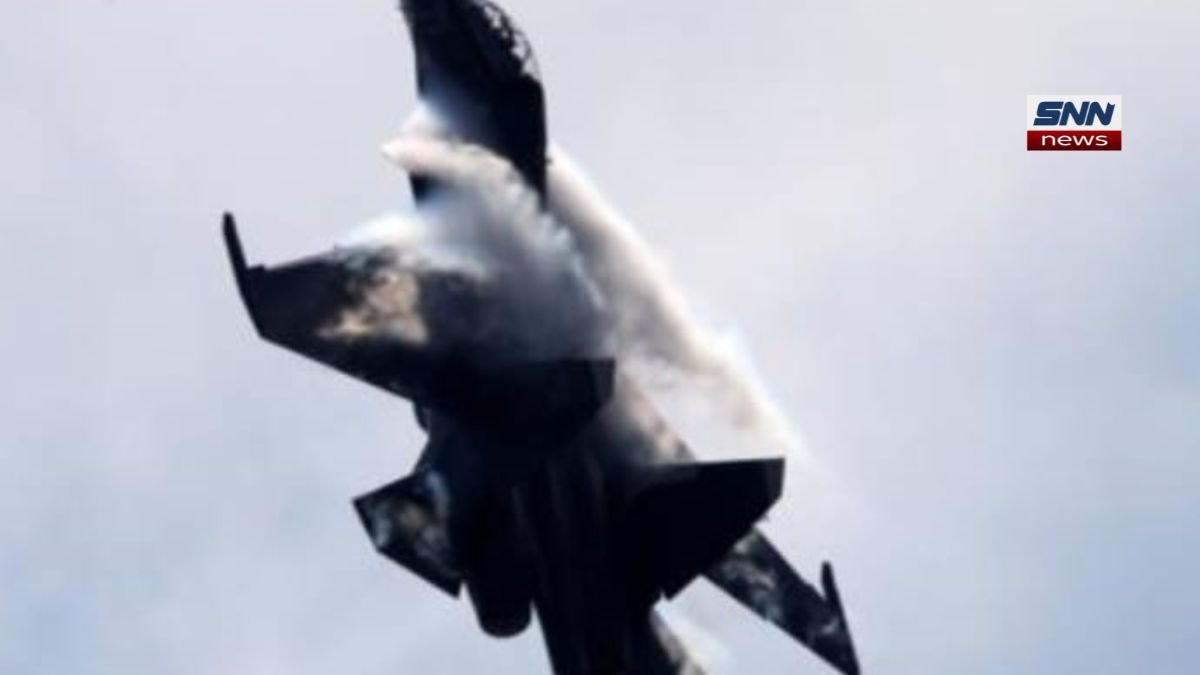
A Russian Su-30 fighter jet crashed in Crimea on Sunday during a routine training mission, according to an official statement released by the Russian Ministry of Defense.
The incident occurred at approximately 11:00 AM Moscow time and involved an aircraft that was reportedly not carrying any ammunition at the time of the crash.
Authorities confirmed that both crew members successfully ejected from the aircraft before impact and were later rescued by a ground-based search and rescue team.
No casualties have been reported so far, and there is no immediate indication of civilian damage on the ground.
The crash has raised questions about operational safety, aircraft maintenance, and the broader implications for military aviation in the region.
Details of the Crash
According to preliminary information, the Su-30 fighter jet was engaged in a scheduled training flight when the incident occurred. The Ministry of Defense stated that the aircraft was operating under standard conditions and was not involved in any combat-related activity.
Key details confirmed by officials include:
- The aircraft crashed in Crimea during a training exercise
- The jet was not carrying weapons or ammunition
- Both pilots ejected safely before the crash
- A rescue team quickly located and evacuated the crew
- Su-30
Emergency response teams were deployed immediately after the crash was reported. The swift response ensured that the pilots received prompt medical evaluation, although their current condition has not been disclosed in detail.
What Is the Su-30 Fighter Jet?
Overview of the Aircraft
It is widely used for air superiority missions as well as ground attack operations.
Known for its maneuverability and advanced avionics, the Su-30 is considered one of the key assets in Russia’s air force.
Capabilities and Usage
- Air combat and interception
- Ground attack missions
- Maritime strike operations
- Long-range patrols
- Su-30
Despite its advanced design, like all military aircraft, the Su-30 requires regular maintenance and operational checks to ensure safety during flights.
Possible Causes Under Investigation
Technical or Mechanical Failure
While the exact cause of the crash remains unknown, aviation experts suggest that technical malfunction is one of the most common reasons behind such incidents during training missions.
Issues related to engine performance, avionics systems, or structural components can lead to emergencies requiring pilot ejection.
Human Factors and Environmental Conditions
Other potential contributing factors may include:
- Pilot error or misjudgment during maneuvers
- Sudden changes in weather conditions
- Communication issues during the flight
- Su-30
However, officials have not confirmed any of these possibilities, and a full investigation is currently underway.
Military Aviation Safety and Training Risks
Training flights are a routine part of military operations, allowing pilots to maintain readiness and improve combat skills. However, such exercises inherently carry risks, especially when involving high-performance fighter jets.
Why Training Flights Are Critical
Military training missions are essential for:
- Maintaining pilot proficiency
- Testing aircraft systems
- Preparing for real-world scenarios
- Su-30
Despite strict safety protocols, accidents can still occur due to the complex nature of modern fighter aircraft.
Frequency of Incidents
Globally, military aviation incidents during training exercises are not uncommon. While many do not result in fatalities, they often highlight the need for improved safety measures and updated maintenance procedures.
Response and Rescue Operation
The successful rescue of both crew members reflects the effectiveness of emergency response protocols.
Ground search and rescue teams were deployed immediately after the crash, demonstrating coordinated action between military units.
Key Aspects of the Rescue
- Rapid deployment of rescue teams
- Accurate tracking of ejected pilots
- Immediate medical assessment upon recovery
- Su-30
Such operations are critical in minimizing loss of life and ensuring pilot safety during emergencies.
Strategic Importance of Crimea
Crimea holds significant strategic value for Russia, particularly in terms of military presence and regional security.
The region has been a focal point of geopolitical tensions in recent years, making any military incident there subject to close scrutiny.
Military Activity in the Region
The presence of advanced aircraft like the Su-30 in Crimea reflects ongoing military preparedness. Training missions in the area are part of broader efforts to maintain operational readiness.
Public and International Reactions
While the incident did not result in casualties, it has drawn attention from defense analysts and international observers. Aviation incidents involving military aircraft often prompt discussions about safety standards and operational transparency.
Key Concerns Raised
- Aircraft maintenance and reliability
- Pilot training and preparedness
- Frequency of military aviation incidents
However, official statements have emphasized that the situation was handled effectively and that there is no immediate threat to public safety.
Ongoing Investigation
The findings are expected to provide insights into whether the incident was due to technical failure, human error, or other factors.
What Happens Next
The investigation will likely include:
- Examination of flight data records
- Analysis of aircraft debris
- Interviews with the rescued crew
These steps are standard procedure in military aviation incidents and are aimed at preventing similar occurrences in the future.
Conclusion
The crash of the Su-30 fighter jet in Crimea during a routine training flight highlights the inherent risks associated with military aviation.
While the safe ejection and rescue of the crew prevented a tragic outcome, the incident underscores the importance of strict safety protocols and ongoing evaluation of aircraft systems.
As investigations continue, the findings will play a crucial role in improving operational safety and ensuring that such incidents remain rare.
For now, the focus remains on understanding what went wrong and reinforcing measures to protect both personnel and equipment in future missions.
Read more updates on Su-30 fighter jet incidents and safety.
About The Author