

By Shumaila Aslam, South Asia Correspondent for Scandinavian News Agency KARACHI, Pakistan
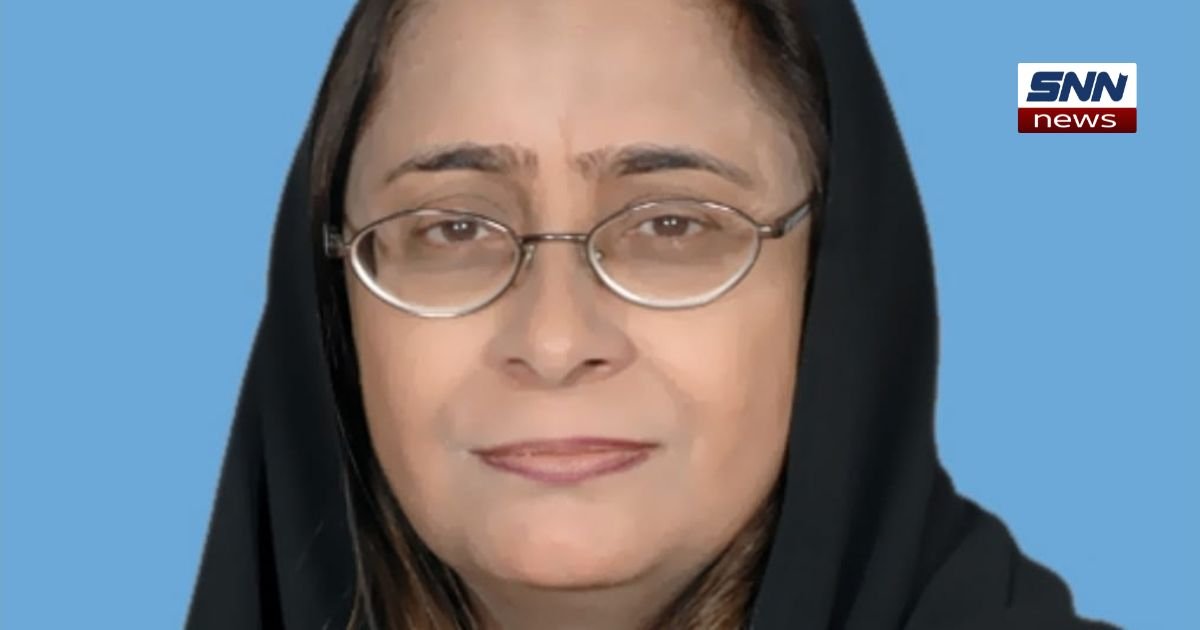
Tubal ligation after C-section is being proposed as standard practice for women in Sindh who reach a third Caesarean delivery, Health Minister Dr Azra Fazal Pechuho said Friday, as the province tries to slow rising maternal deaths tied to repeated surgical births.
Why Sindh wants tubal ligation after C-section
Speaking at the Fourth International Family Planning Summit in Karachi, Dr Pechuho said women presenting for a third Caesarean section should be counselled about tubal ligation as a safe, permanent contraceptive option.
“The mortality rate in Sindh is increasing due to C-sections. We are working on it and the results will be visible very soon,” she said.
Tubal ligation, often called TL, is a one-time surgical procedure that closes a woman’s fallopian tubes to prevent future pregnancies. Doctors can perform it during a Caesarean delivery itself, without a separate operation.
Key facts
- A woman dies roughly every 45 minutes in Pakistan from pregnancy-related complications, summit speakers said.
- Sindh’s contraceptive prevalence rate is 34%, leaving about 18% of family planning needs unmet.
- Vasectomy procedures in Sindh rose from 24 in 2021 to more than 4,000 in 2025.
- Pakistan’s population grows by roughly six million people a year.
What else Sindh is doing to cut maternal deaths
Dr Pechuho, who heads Sindh’s Health and Population Welfare Department, said the provincial government is expanding maternity care by converting old dispensaries into birthing stations, training community midwives for home-based deliveries, strengthening ambulance networks for emergency referrals, and improving medicine and equipment supply at primary healthcare facilities. She added that the department has recruited additional healthcare staff, with more hiring underway.
Men are being brought into the plan too
JSMU Vice Chancellor Prof Dr Amjad Siraj Memon told the summit that male involvement matters alongside tubal ligation after C-section, pointing to vasectomy’s rise from a rare procedure to more than 4,000 cases a year in Sindh since 2021.
Prof Dr Nighat Shah, the summit’s chief organiser, said unmet family planning needs remain a major driver of the country’s roughly six-million-a-year population growth.
FAQ
What is tubal ligation after C-section?
A permanent contraceptive procedure done at the time of a Caesarean delivery, so no separate surgery is needed.
Why does Sindh want it after the third C-section specifically?
Repeated C-sections raise the risk of serious complications, so officials say counselling women at that point can prevent higher-risk future pregnancies.
How many maternal deaths happen in Pakistan?
Speakers at the summit cited roughly one death every 45 minutes from pregnancy-related complications nationwide.
Is tubal ligation mandatory?
No. Dr Pechuho described it as something women should be counselled and offered, not required.
What other steps is Sindh taking? Converting dispensaries into birthing stations, training midwives, expanding ambulance access, and improving supplies at clinics.
The summit behind the announcement
The Fourth International Family Planning Summit, themed “Youth, Family Planning and Digital Innovation,” was jointly organised by Jinnah Sindh Medical University and Jinnah Postgraduate Medical Centre, bringing together health experts, researchers and policymakers to discuss maternal and child health challenges facing the province.
This isn’t the first time Pakistan’s health policymakers have pushed for stronger maternal care read our earlier coverage of Pakistan’s rising unemployment and public health strain for related context.
About The Author