
By Hammad Kahloon | Scandinavian News Finland
Serbian President Aleksandar Vučić Announces on Sunday that he will resign from office within weeks and call early presidential and parliamentary elections, marking a dramatic political shift in one of Europe’s most watched democracies.
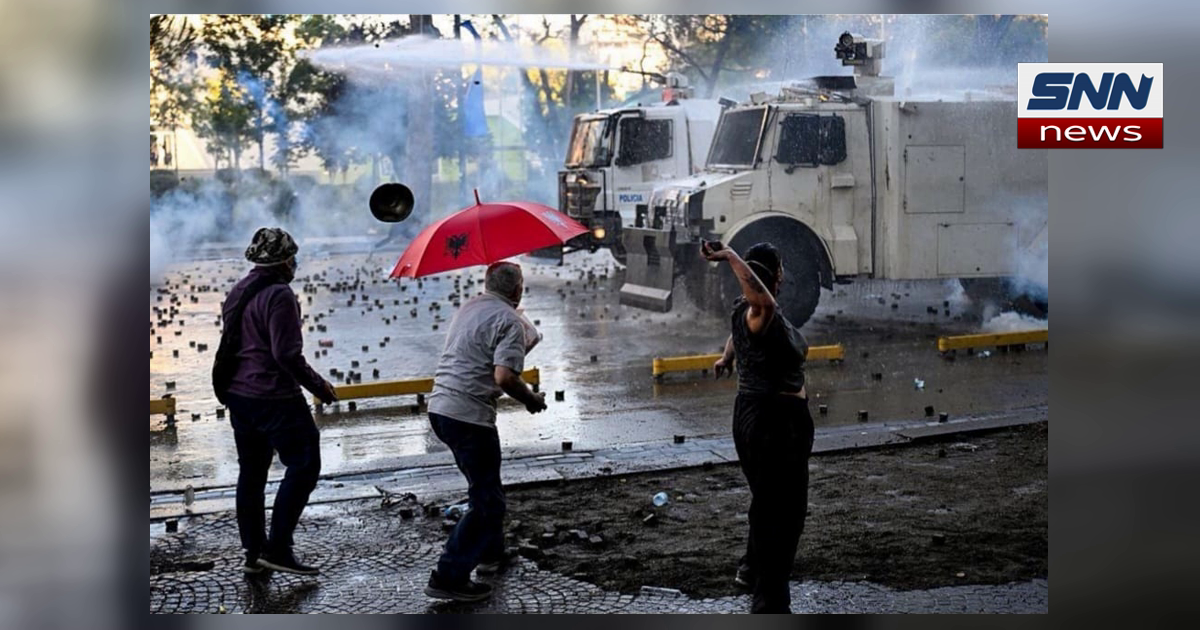
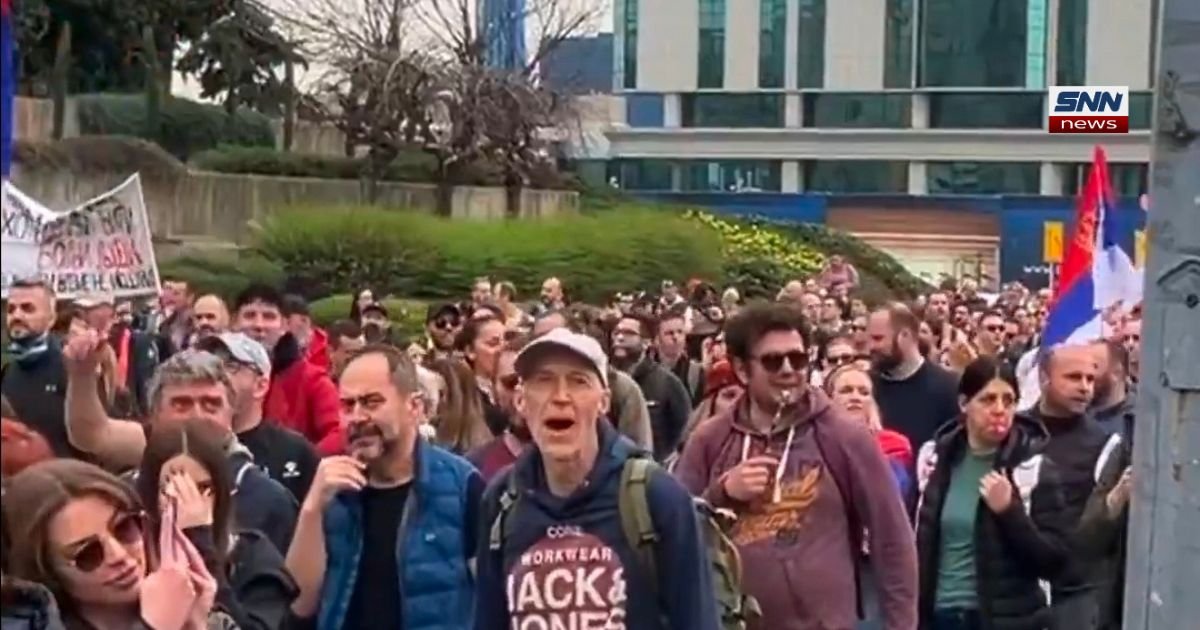
The announcement came after 18 months of sustained anti-government protests that have shaken the foundations of Vučić’s long grip on power.
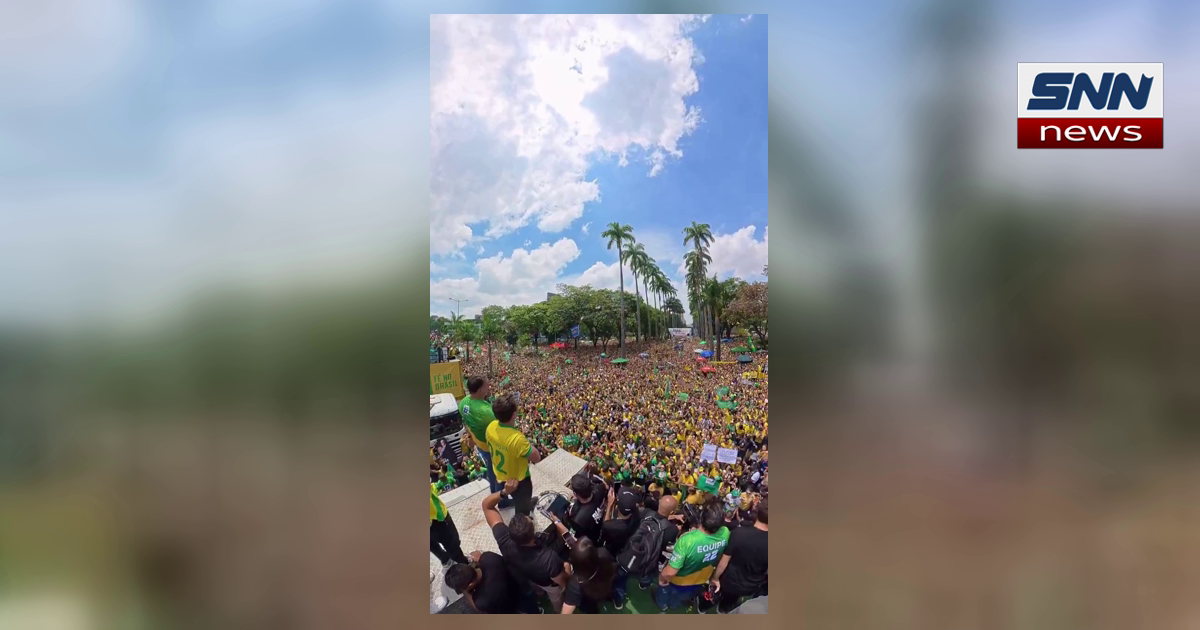
Vučić Speaks at Pro-Government Rally in Belgrade
Vučić Announces the surprise announcement at a large pro-government rally held in Belgrade, Serbia’s capital. Despite signaling his resignation, he struck a confident tone, telling thousands of supporters that his party would “win more convincingly than ever before.”
The rally drew significant attention as analysts and opposition figures questioned whether the resignation announcement represents a genuine democratic concession or a calculated political maneuver.
12 Years at the Center of Serbian Politics
Aleksandar Vučić has dominated Serbian political life for over a decade, serving both as Prime Minister and President since 2012. His Serbian Progressive Party has maintained a firm hold on state institutions, media, and public life throughout this period.
Critics argue that calling snap elections rather than allowing the protest movement to gain further momentum gives Vučić’s party a strategic advantage, as opposition groups may have limited time to organize effectively.
18 Months of Anti-Government Protests
The protests that preceded this announcement began over concerns about government corruption, institutional decline, and media freedom. They grew significantly following the collapse of a canopy at Novi Sad railway station in November 2024, which killed 15 people and sparked nationwide outrage over government negligence.
Demonstrators have consistently demanded accountability, transparent governance, and genuine democratic reform demands that Vučić’s resignation announcement has not yet directly addressed.
Critics Call It a Power Play
Opposition leaders and political analysts in Serbia reacted with skepticism to Sunday’s announcement. Many view the move as a strategic reset rather than a meaningful concession to protest demands.
By calling elections on his own terms and timeline, Vučić retains control over the political narrative a tactic observers say is consistent with his governing style over the past decade.
What Happens Next
Vučić is expected to formally submit his resignation within the coming weeks, after which Serbia’s constitutional procedures for snap elections would be triggered. Both presidential and parliamentary elections are expected to be held simultaneously.
International observers, including the European Union with which Serbia holds candidate status are expected to monitor developments closely given Serbia’s ongoing accession process.
Read more: Serbia’s political crisis mirrors UK’s recent leadership shakeup Larry the Cat already has thoughts.
About The Author