

By Hammad Kahlun
international News
Correspondent SNN Finland
Israel | February 2026
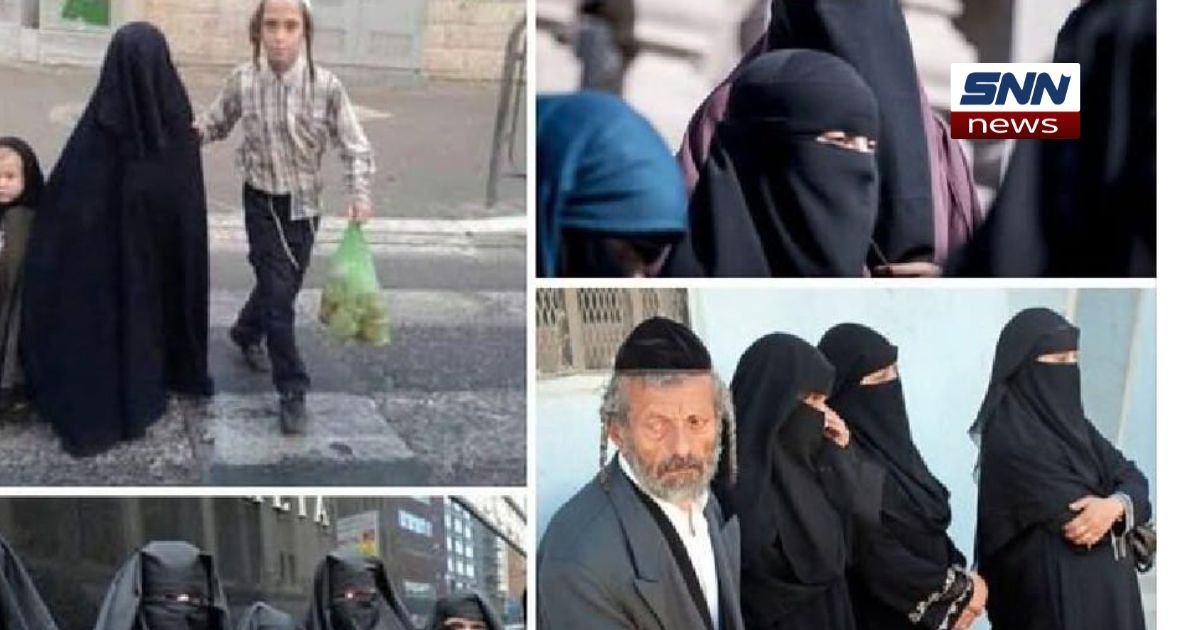
On the streets of Israel, a recent observation highlights the strict religious rules followed by the Haredi Jewish community concerning children.
A young boy and his sister, who is no older than seven, were seen walking in public, demonstrating how these traditions shape the daily lives of children in this community.
The Haredi sect follows a strict interpretation of Jewish law, especially regarding children and gender roles. According to their teachings, girls are required to wear a veil starting from the age of seven, and they are prohibited from going out in public without a male guardian (mahram).
These practices are considered essential for preserving the community’s religious values, morality, and social structure.
Haredi Religious Practices and Rules
The Haredi Jewish sect places significant emphasis on maintaining religious discipline from a very young age. Girls must adhere to strict modesty rules, including wearing a veil in public and being accompanied by a male guardian. Boys, while less restricted, are also raised with strong religious education and guidance.
These rules are enforced by parents and community elders to ensure that children grow up according to the sect’s religious principles. The practices are viewed as essential for maintaining cultural identity, religious commitment, and family honor.
Impact on Children and Families
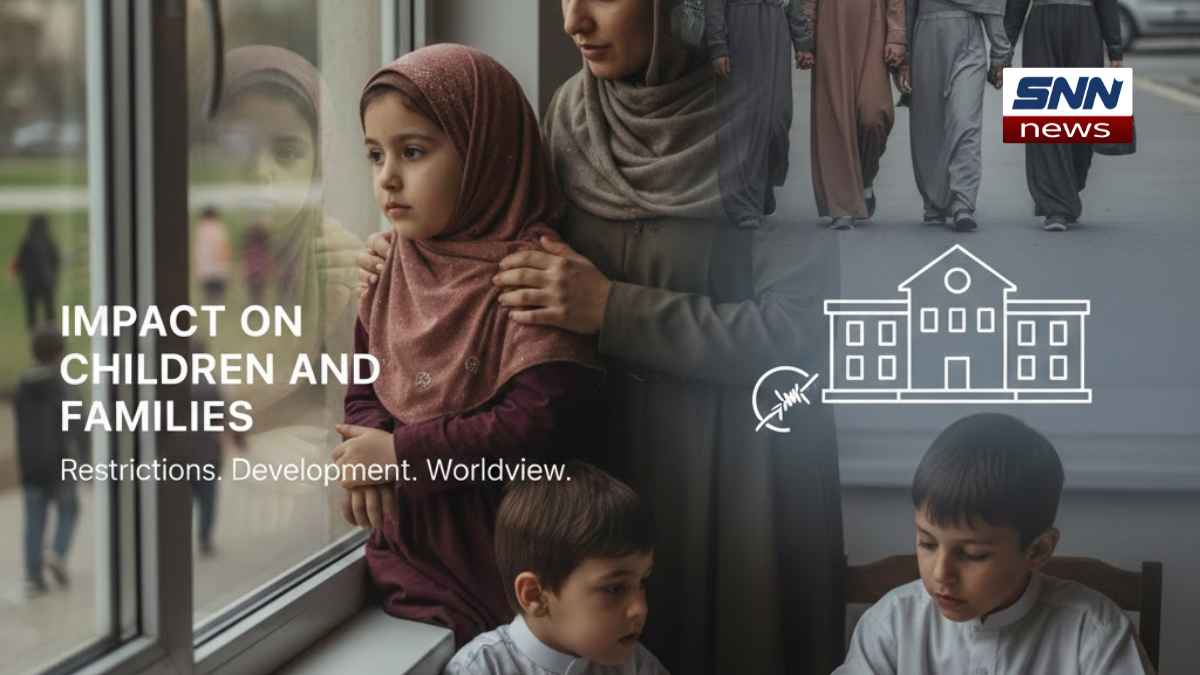
The implementation of these rules significantly affects the daily life of children. Girls face restrictions on where they can go, how they dress, and how they interact socially. Parents monitor their children closely to ensure compliance with these traditions, which can affect schooling, recreational activities, and social interactions outside the home.
While many families see this as a way to instill discipline and religious values, some experts argue that it can limit a child’s social development and personal freedom. Children are expected to learn obedience, modesty, and adherence to strict rules at a very young age, shaping their worldview from early childhood.
Societal and Legal Perspectives
Haredi practices are protected under Israel’s religious freedom laws, allowing the community to follow their beliefs. However, tensions sometimes arise between religious customs and international children’s rights standards. Human rights advocates highlight that these rules, while culturally significant, can sometimes conflict with children’s autonomy and access to public spaces.
Local NGOs and advocacy groups in Israel are working to find a balance, ensuring that children’s safety, education, and welfare are not compromised while respecting religious freedoms. Legal frameworks within Israel recognize religious authority, but there is ongoing debate about how to reconcile tradition with modern rights standards.
Observations and Global Attention
This practice has attracted global attention, especially among those interested in the rights of children and religious freedoms. Images and reports of young Haredi girls wearing veils and accompanied by male guardians are shared widely, prompting discussions about cultural traditions versus children’s personal freedoms.
Observers note that these traditions serve multiple purposes: protecting children, upholding religious norms, and maintaining community cohesion. At the same time, critics argue that such practices may restrict children’s mobility and limit their exposure to broader societal experiences.
Balancing Tradition and Children’s Rights
The challenge lies in balancing religious traditions with children’s rights to freedom, education, and personal development. Families in the Haredi community often defend their practices as essential for moral upbringing, but human rights advocates call for careful monitoring to ensure children are not unduly restricted.
Experts suggest that open dialogue, education, and legal oversight are necessary to create a framework where children can maintain religious values without compromising their development or safety.
Summary
In Israel, the Haredi Jewish community enforces strict religious rules for children, requiring girls over seven to wear a veil and be accompanied by a male guardian. These practices influence the children’s daily routines, education, and social interactions. While parents see these rules as essential for religious upbringing, global observers emphasize the importance of balancing tradition with children’s rights and freedoms.
The ongoing debate highlights the complex intersection of religious freedom, cultural traditions, and children’s rights, demonstrating the need for careful consideration and awareness both within Israel and internationally.
Read more on the latest news about Israel and Haredi Jewish children here.
About The Author