

By Hammad Kahlun
Scandinavian news Finland
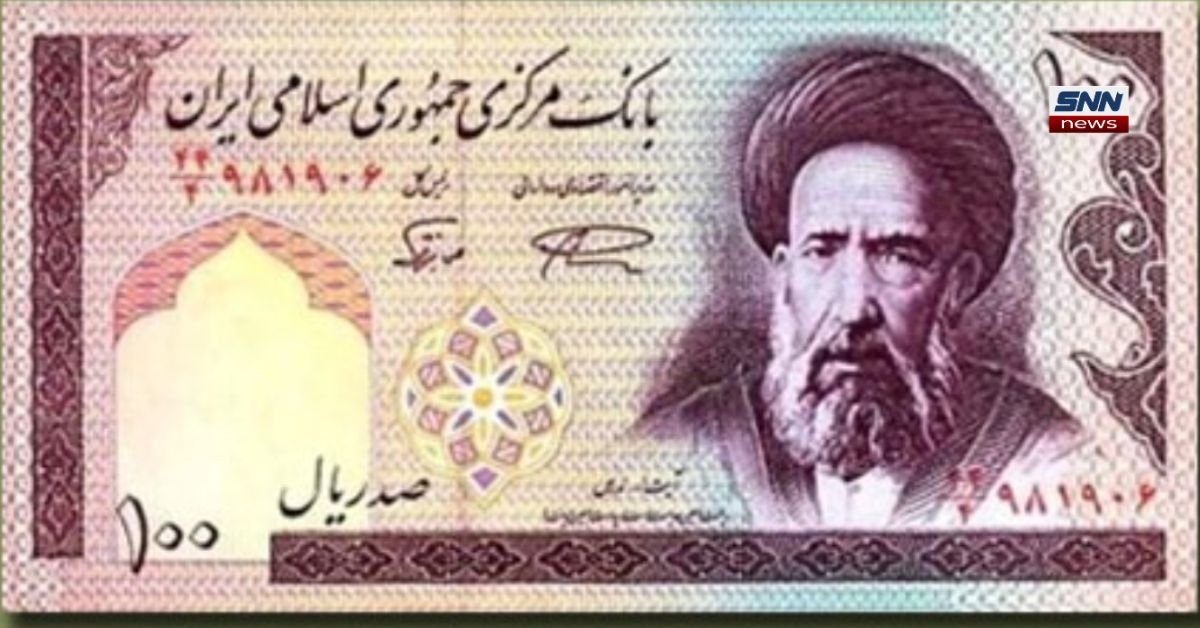
Iran Currency Crisis Deepens as Rial Falls to Historic Levels
Rial dollar, marking a significant escalation in the country’s ongoing economic crisis.
The sharp decline comes amid rising geopolitical tensions, economic restrictions, and internal financial instability that have intensified over recent months.
According to recent financial data, the rial has weakened from approximately 1.7 million per dollar since the start of the current conflict period, reflecting a rapid loss in currency value.
This depreciation is affecting nearly every sector of Iran’s economy and placing increasing pressure on ordinary citizens.
The currency collapse is closely tied to reduced oil revenues, trade limitations, and inflation levels that continue to rise above 40% annually.
Impact of Naval Restrictions on Iran’s Oil Revenue
The restrictions have significantly reduced Iran’s ability to export oil, which remains a primary source of national income.
Economic analysts estimate that Iran is losing up to $500 million per day due to disruptions in oil shipments.
This loss is having a direct impact on foreign exchange reserves, which are essential for stabilizing the national currency.
Key Economic Effects of the Blockade:
- Reduced oil exports and declining foreign currency inflows
- Pressure on government revenue and public spending
- Increased reliance on domestic monetary expansion
- Weakening investor confidence
As oil revenues fall, the government faces greater difficulty in managing imports, controlling inflation, and maintaining economic stability.
Inflation Surges Above 40%, Cost of Living Rises Sharply
Iran’s inflation rate has exceeded 40%, significantly increasing the cost of living for millions of people.
Essential goods, including food, fuel, and healthcare, have become increasingly expensive, leading to widespread financial strain.
Households are particularly affected by rising food prices, which have surged due to supply disruptions and currency devaluation. Imported goods are now far more costly, as the weaker rial reduces purchasing power in international markets.
Everyday Impact on Citizens:
- Food prices rising at a faster rate than wages
- Increased cost of basic household items
- Reduced access to imported medicines and goods
- Growing financial insecurity among middle- and low-income groups
The combination of inflation and currency depreciation is eroding savings and making it difficult for families to meet daily expenses.
Exchange Rate Volatility and Black Market Activity
The official exchange rate in Iran often differs significantly from the open market rate, where most citizens and businesses obtain foreign currency.
As the rial weakens, demand for U.S. dollars and other stable currencies has increased sharply.
This growing demand has fueled black market activity, where exchange rates are typically higher than official figures.
The gap between official and unofficial rates creates further economic distortion and complicates financial planning for businesses.
Currency traders and small businesses face constant uncertainty, as daily fluctuations in exchange rates affect pricing, imports, and profit margins.
Government Response and Economic Challenges
Iranian authorities have introduced several measures in an attempt to stabilize the currency and control inflation.
These include monetary policy adjustments, currency controls, and efforts to manage supply chains.
However, experts suggest that such measures have had limited success due to ongoing external pressures and structural weaknesses within the economy.
Challenges Facing Policymakers:
- Limited access to global financial systems
- Declining export revenues
- High inflation expectations among consumers
- Reduced investor confidence
Without stable foreign currency inflows, it becomes increasingly difficult for the government to maintain exchange rate stability or control inflation effectively.
Broader Economic Context and Regional Implications
The weakening of the Iranian rial is not only a domestic issue but also has broader regional implications. Economic instability in Iran can affect trade, energy markets, and regional economic relationships.
Neighboring countries and trading partners may experience indirect impacts, particularly in sectors linked to energy exports and cross-border commerce.
Additionally, prolonged economic pressure could lead to shifts in regional trade patterns, as countries adjust to changes in Iran’s economic capacity.
Historical Perspective: Long-Term Currency Decline
While fluctuations have occurred before, the current drop to 1.8 million per dollar represents one of the most severe declines in recent history.
Previous periods of economic pressure also led to inflation spikes and reduced purchasing power, but the current situation is marked by a combination of external restrictions and internal economic strain.
Public Sentiment and Social Impact
The economic crisis is increasingly affecting public sentiment within Iran. Rising costs and declining income levels are contributing to growing frustration among citizens.
Small business owners, workers, and families are adjusting their spending habits, often cutting back on non-essential goods. In some cases, even basic necessities have become difficult to afford.
Outlook for the Iranian Economy
The future of the Iranian rial remains uncertain, with analysts pointing to several factors that will determine its trajectory:
- Developments in geopolitical tensions
- Changes in trade and export conditions
- Government economic reforms
- Access to foreign currency reserves
If current conditions persist, the rial may continue to face downward pressure. However, any improvement in trade conditions or reduction in external restrictions could help stabilize the currency.
Conclusion
The Iranian rials fall to a record low of 1.8 million per U.S.
Driven by reduced oil revenues, external restrictions, and rising inflation, the currency decline is having a widespread impact on daily life.
As inflation exceeds 40% and essential goods become more expensive, ordinary citizens are bearing the brunt of the crisis.
While government efforts to stabilize the economy continue, the path forward remains uncertain in the face of ongoing economic and geopolitical pressures.
iran-rial-record-low-economic-crisis-2026
About The Author